
Plants
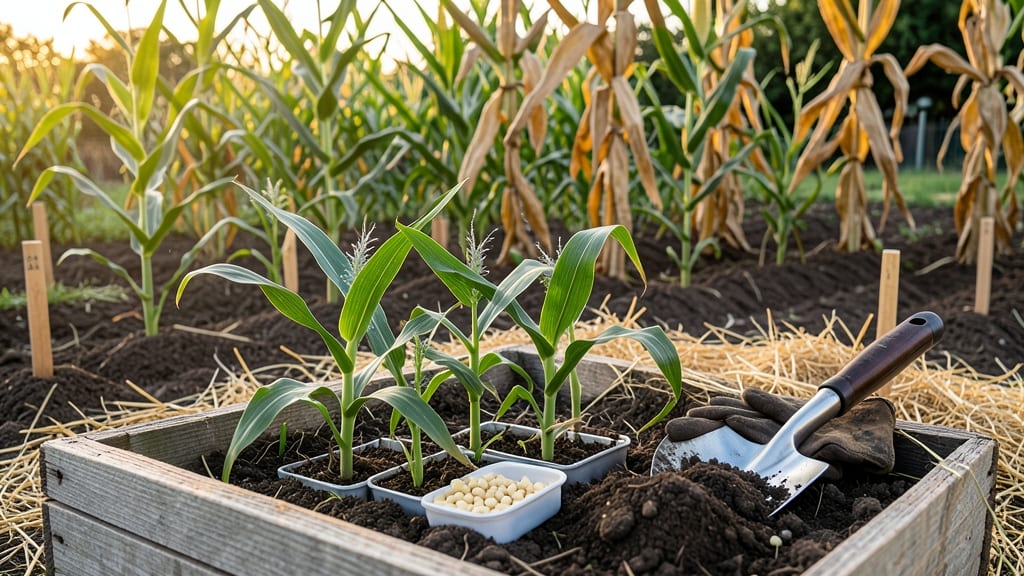
Timing your 🌽 corn planting in Portland, Oregon, isn’t just about following a calendar—it’s about outsmarting the city’s microclimates, from the urban heat islands downtown to the cooler Willamette Valley breezes.
Get it wrong, and you might end up with stunted plants or missed harvests, even though Portland’s 8a zone technically supports corn growth.
Most gardeners here wait until mid-April to mid-May, after the last frost (usually around April 15), but the real secret lies in soil temperature. Corn needs warm earth—at least 60°F—to sprout properly, and Portland’s unpredictable spring can throw off even the best-laid plans.
I’ll show you how to read the signs and adjust your planting schedule for peak harvests between July and September.
Why does this matter? Because Portland’s short growing season (just 165 frost-free days) demands precision. Plant too early, and cool nights stall growth; too late, and you risk kernel shriveling before harvest.
The good news? With the right variety and timing, you can grow sweet, plump ears that rival any farm stand—even in the Pacific Northwest’s cooler summers.
Let’s break down the exact planting window for your microclimate, plus the best corn varieties that thrive here. Spoiler: It’s not just about when you plant—it’s about how you adapt to Portland’s quirks.
Portland’s ideal corn planting dates by microclimate zone
Portland’s diverse microclimates—from the Willamette Valley’s warmth to urban heat islands in downtown—create a 2-3 week window for planting corn. The average last frost date is April 15, but your exact timing depends on where you live within the city.
Planting too early risks frost damage, while waiting too long may result in stunted growth due to Portland’s short growing season (165 frost-free days). 🌱
For urban areas like Southeast Portland or the Hillsdale neighborhood, where pavement retains heat, you can plant as early as mid-April if soil temperatures reach 50°F+. Meanwhile, cooler zones near the Columbia River Gorge or Forest Park may need to wait until early May.
Always verify with a soil thermometer—corn needs warmth to germinate! ☀️
Here’s a microclimate-specific planting schedule to maximize your harvest in Portland’s variable climate:
| Microclimate Zone | Optimal Planting Window | Soil Temp Threshold | Harvest Window |
|---|---|---|---|
| Urban Heat Islands (Downtown, SE Portland) | Mid-April to early May | 50°F+ (10°C+) | Late July to early September |
| Willamette Valley (Hillsdale, Woodstock) | Late April to mid-May | 55°F+ (13°C+) | Early August to mid-September |
| Coastal Influences (SW Portland, St. Johns) | Early May to late May | 60°F+ (15°C+) | Mid-August to early October |
If you’re unsure about your microclimate, use the Oregon State University Extension’s frost map or check the Portland Bureau of Environmental Services’ heat island data. A simple trick: Plant a test row in late April—if it survives, you’ve got a safe window for the rest! 🌾
For container gardening in balconies or patios, start seeds indoors 4-6 weeks before your zone’s last frost (around mid-March). Use biodegradable pots to transplant seedlings outdoors without disturbing roots. Just ensure your containers are at least 12 inches deep—corn has deep roots! 🪴
Pro tip: Succession planting works well in Portland. Sow a second crop 2-3 weeks after your first planting to extend your harvest through early fall. Choose early-maturing varieties (60-70 days) for this strategy to avoid late-season frosts. ✂️
One common mistake is ignoring soil moisture during germination. Keep the soil consistently damp (not soggy) until seedlings emerge—dry spells in May can delay sprouting. Mulch with straw after planting to retain moisture and regulate soil temperature. 💧
Finally, monitor local weather forecasts for heatwaves or early frosts. The National Weather Service’s Portland office provides hyper-local alerts. If a 50°F nighttime low is predicted after planting, cover seedlings with row fabric to protect tender sprouts. 🌡️
With these microclimate adjustments, you’ll avoid the kernel shriveling or poor pollination that plagues many Portland gardeners. Next, we’ll dive into how to adjust for Portland’s rainy springs and unpredictable summers—critical for avoiding ear rot and ensuring sweet, plump corn. 🌽
How Portland’s weather patterns affect corn growth stages
Understanding how Portland’s unpredictable weather impacts each corn growth stage is the key to avoiding common pitfalls like kernel shriveling or poor pollination. The city’s mix of cool springs, sudden heatwaves, and late frosts can throw off even the most experienced gardener.
For example, a chilly snap during tasseling (when pollen is released) can drastically reduce yields, while excessive rain during silking (when ears emerge) invites fungal diseases like gray leaf spot.
Let’s break down the critical timing windows for each stage and how to adjust for Portland’s climate quirks. The goal? Ensure your corn goes from sprout to silking without major setbacks. I’ll share my own field-tested adjustments, including when to plant succession crops for extended harvests.
🌱 Germination (0-7 days after planting): This stage is all about soil temperature. Corn seeds won’t sprout until the earth reaches 60°F or warmer.
In Portland, this usually means waiting until mid-to-late May for cooler microclimates like the Willamette Valley, but urban heat islands (like Downtown or SE Portland) can be ready as early as early April. Use a soil thermometer to confirm—don’t guess!
🌿 Vegetative Growth (7-30 days): Once sprouted, your corn will focus on leaf and stalk development. This is when Portland’s variable rainfall becomes a factor. Too much moisture can lead to root rot, while drought stress stunts growth. Aim for 1-2 inches of water per week, delivered in the morning to prevent fungal issues. If you notice yellowing leaves, it’s often a sign of overwatering or poor drainage.
⚠️ Callout Warning: Critical Timing for Tasseling and Silking (45-60 days)
🚨 Watch Out for These Portland-Specific Risks
- Tasseling (pollen release): If temps drop below 75°F during this stage, pollen won’t transfer properly, leading to bare ears. Monitor forecasts and consider planting heat-tolerant varieties like 'Golden Bantam' if early frosts are forecasted.
- Silking (ear emergence): Heavy rain or high humidity can cause silk rot, preventing fertilization. If silks look slimy or blackened, act fast by thinning foliage around the base to improve air circulation.
- Heatwaves: Sudden spikes above 90°F can shock plants and cause kernel abortion. Provide shade cloth during extreme heat and water deeply at the soil level (not overhead).
💡 Pro Tip: Plant a second crop 2 weeks later to stagger harvests and reduce risk from single weather events.
🌽 Kernel Development (60-90 days): This is where Portland’s short growing season becomes a challenge. If your corn isn’t mature by early October, the first frost (usually around October 15) will ruin your harvest.
Choose early-maturing varieties (under 85 days) and keep an eye on kernel moisture. Harvest when silks turn brown and brittle and kernels are plump but still milky when pierced.
🌡️ Adjusting for Portland’s Microclimates: If you’re in a cooler pocket (like Hillsdale or Sellwood), push planting back to late May to avoid frost damage. For warmer urban areas (like SE Portland or Beaverton), you can start as early as mid-April.
Always have a frost watch plan: Use row covers or cold frames if frost threatens during kernel development.
📅 Final Harvest Window: With the right timing, you can expect harvests from late July to early September. To extend your season, try succession planting every 2 weeks after your initial sowing. And remember: Corn loves company—plant in blocks, not rows, to improve pollination and yields.