
Planting
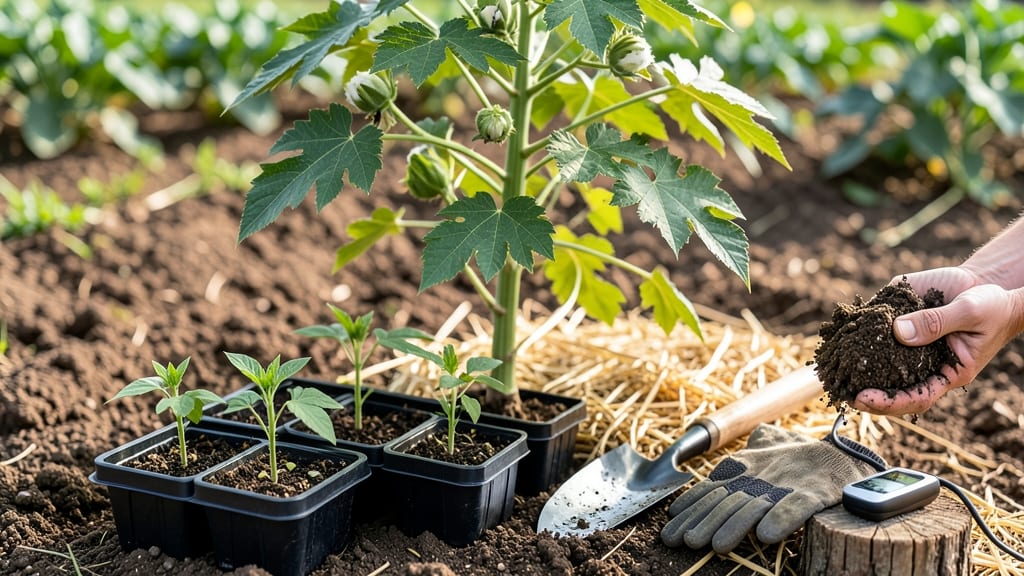
If you've ever watched a cotton field sway in the Texas heat and wondered when to plant cotton in Texas for the best chance at a thriving crop, you're not alone.
The Lone Star State's long growing season and intense summers make timing everything—get it wrong, and your seedlings could fry before they even sprout.
Here's the secret: cotton 🧵 thrives when planted after the last frost but before the brutal summer heat sets in full force. For North Texas gardeners in zones 8a-10b, that means waiting until March or April when soil temperatures hit 60°F.
South Texas growers have a head start, with February often being ideal—but don't rush it.
Why does this matter? Because cotton isn't just another plant—it's a high-maintenance crop that demands precise conditions. Too early, and frost will nip your dreams in the bud. Too late, and your plants might bolt before producing those fluffy bolls you're dreaming of.
I'll walk you through the exact windows, heat-resistant varieties, and pro tips to give your cotton the best shot at success.
Let's break down the critical months, regional differences, and the one mistake even experienced farmers make that costs them their entire harvest. Your cotton field starts here—let's get those seeds in the ground the right way.
Best planting months for cotton in Texas by region (North vs south)
Texas's diverse climate means cotton planting windows vary dramatically between North Texas and South Texas. In North Texas (USDA Zones 8a–8b), like Dallas or Fort Worth, the last frost typically arrives between February 15 and March 15.
This means your ideal planting window is March through early May—after soil warms to at least 60°F (15°C).
For Central Texas (Zones 8b–9a), including Austin and San Antonio, the frost-free date shifts earlier to February 1–March 1. Here, you can start planting as early as late February, but aim for March through April to avoid late-spring heat stress on young seedlings.
The key is ensuring 240+ frost-free days for a full harvest cycle.
| Region | Last Frost Date | Ideal Planting Window | Soil Temp Requirement | Heat Tolerance Notes |
|---|---|---|---|---|
| North Texas (Dallas/Fort Worth) | Feb 15–Mar 15 | March–Early May | 60°F (15°C)+ | Seedlings vulnerable to late-spring heat; use shade cloth if planting in May. |
| Central Texas (Austin/San Antonio) | Feb 1–Mar 1 | Late Feb–April | 60°F (15°C)+ | Longer growing season; can extend to early June for late varieties. |
| South Texas (Houston/Corpus Christi) | Jan 15–Feb 15 | Feb–April | 65°F (18°C)+ | Extreme heat tolerance; plant early to avoid summer storms. |
In South Texas (Zones 9a–10b), like Houston or Corpus Christi, the frost-free date arrives even earlier—January 15–February 15. This allows for a February–April planting window, but soil must reach 65°F (18°C) before sowing.
The region's humidity and summer storms can stress cotton, so prioritize drought-resistant varieties and elevated beds for better drainage.
Regardless of region, direct-sowing cotton after the last frost is ideal—transplants struggle to establish roots in Texas’s intense heat. Use a soil thermometer to confirm warmth; shallow seeds (1/2 inch deep) germinate best when soil is consistently above 60°F (15°C).
For North Texas gardeners, consider starter plants in late April if your season feels short.
Pro tip: Monitor local weather via the National Weather Service or Texas A&M AgriLife Extension for real-time frost alerts. In 2023, unexpected late frosts in March caught many North Texas growers off guard—don’t assume your area is frost-free until you’ve confirmed it!
Planting too early is the #1 mistake we see in Texas cotton gardens.
Once planted, cotton thrives in Texas’s long, hot summers, but water stress in June–August can reduce yields. Aim for 1–2 inches of water weekly, delivered deeply in the morning to prevent fungal diseases like boll rot.
Mulch with straw or black plastic to retain moisture and suppress weeds—critical in Texas’s weed-prone soils.
For container growers in urban areas like Austin or Dallas, start seeds in 5-gallon pots by March 1 and move outdoors after May 1 when nighttime temps stay above 55°F (13°C). Containers dry out faster, so check soil moisture daily during 90°F+ days.
In South Texas, you can extend the season into early June for late varieties like ‘PM 1845’, but yields may suffer from humidity-related stress.
Remember: Texas cotton isn’t just about heat tolerance—it’s about balancing timing, soil prep, and variety selection. In our next section, we’ll dive into the top 5 heat-resistant cotton varieties that perform best in each Texas region, so you can pick the perfect match for your microclimate. Stay tuned!
Best planting months for cotton in Texas by region (North vs south)
Texas isn't one-size-fits-all when it comes to planting cotton 🧵—the difference between North and South Texas can mean the difference between a thriving crop and a total loss.
In North Texas (USDA zones 8a-9a), where last frosts linger until March 15, you'll want to wait until soil temperatures consistently hit 60°F before planting. That typically lands in late March to early April, giving your seedlings enough time to establish before summer's brutal heat arrives.
Down in South Texas (zones 9b-10b), you've got a head start. With frost-free dates as early as January 15, February becomes your prime window. The key difference? South Texas cotton can handle earlier planting because the longer growing season reduces heat stress risks during critical early growth stages.
But don't rush—even here, planting too soon risks seedling rot from lingering cool, damp soil.
Here's where most Texas gardeners go wrong: they use the same calendar across regions. What works in Lubbock (April planting) would burn out in Houston if attempted in March. The solution?
Check your local frost-free date and count back 120 days to your first frost—this gives you your ideal planting window. For most of Texas, that's March 1 to April 15, but South Texas can start as early as February 1.
Pro tip: Use a soil thermometer—cotton seeds won't germinate below 60°F, and temperatures above 90°F can stunt seedlings.
I've seen firsthand how March planting in North Texas gives plants a 6-week head start before summer's worst heat arrives, while April planting often means struggling with bolting (premature flowering) before bolls mature.
One more critical factor: humidity. South Texas's high humidity can promote fungal diseases like Fusarium wilt if you plant too early. In these regions, March planting often works better than February, despite the earlier frost-free dates.
The goal is balanced growth—not just rushing to get seeds in the ground.
Ready to pick your perfect planting window? Bookmark your local AgriLife Extension office's frost data—they update yearly—and set a reminder for March 1 to start your soil prep. Your cotton's future depends on these exact dates, so don't guess! ☀️