
Plants
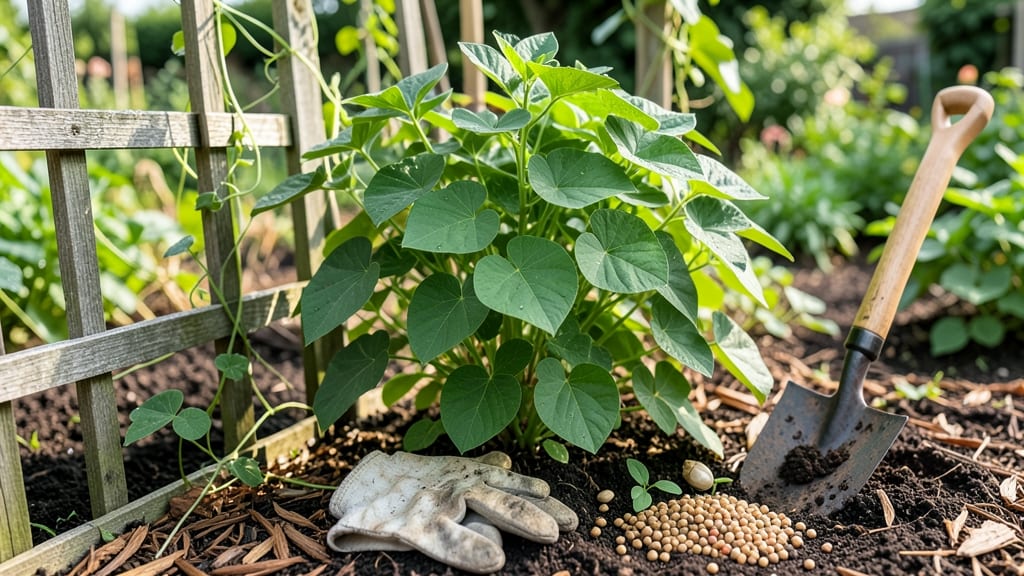
If you’ve ever struggled with when to plant cowpeas in Texas, you’re not alone—this heat-loving 🌱 thrives on precision timing, and getting it wrong can mean lost harvests.
Whether you’re in frost-prone North Texas or sweltering South Texas, the key lies in balancing soil warmth and avoiding early cold snaps that can wipe out tender seedlings.
Cowpeas demand consistent warmth, so planting too early risks frost damage, while waiting too long may stunt growth in Texas’s brutal summer heat. The sweet spot?
Aim for March to September, but adjust based on your USDA zone—8a-10b gardeners should wait until soil hits 60°F and all frost danger has passed.
In this guide, I’ll break down the exact planting windows for your region, spotlight heat-resistant varieties like ‘Purple Hull’ and ‘Black-Eyed Pea,’ and share pro tips to maximize your harvest. No more guesswork—just lush, protein-packed pods from June to November.
Ready to turn your Texas garden into a cowpea powerhouse? Let’s dive into the timing secrets that’ll have you harvesting like a local in no time.
Optimal planting times for cowpeas in Texas by region
Texas’s diverse climate means cowpeas thrive in different windows across North, Central, and South Texas. In North Texas (USDA Zones 7b-8a), where frost lingers until mid-March, aim for late April to early June—after soil warms to 65°F+.
Meanwhile, Central Texas (Zones 8a-8b) gardeners can start as early as mid-March but should prioritize April through July to avoid late-summer heat stress.
For South Texas (Zones 9a-10b), the window stretches from February to September, but March-May and August-September are ideal. The key? Plant when nighttime temperatures stay above 60°F—cowpeas hate frost and wilt in prolonged 100°F+ heat without proper care.
Use Texas A&M’s frost-free date maps as your guide: North Texas averages 210 frost-free days, while South Texas enjoys 270+ days. For example, Amarillo’s last frost is March 15, but Houston’s is January 31.
Planting too early risks seed rot; too late, and pods shrivel under summer’s intensity.
🌱
🌱 Cowpea Planting Windows by Texas Region
| Region | USDA Zone | Last Frost Date | Optimal Planting Window | Soil Temp Threshold |
|---|---|---|---|---|
| North Texas | 7b-8a | Feb 15 - Mar 15 | Late April - Early June | 65°F+ |
| Central Texas | 8a-8b | Mar 1 - Mar 15 | Mid-March - July | 60°F+ |
| South Texas | 9a-10b | Jan 31 - Feb 15 | Feb - Sept (Peak: Mar-May, Aug-Sept) | 55°F+ |
⚠️ Note: Adjust for microclimates—elevations or urban heat islands may shift dates by 2-3 weeks.
In North Texas, focus on short-season varieties like ‘Early Scarlet Runner’ (60-day harvest) to beat summer’s arrival. Central Texas gardeners can extend the season with succession planting: sow seeds every 2-3 weeks from April to July for continuous harvests.
Meanwhile, South Texas’s long growing season allows for fall plantings—try ‘Purple Hull’ in August for a November harvest before cooler weather sets in.
Pro tip: Use black plastic mulch in early spring to warm soil faster in cooler regions. In South Texas, provide shade cloth (30-50%) during 100°F+ heatwaves to protect young plants. Both tricks boost germination rates and extend harvest windows.
For container gardening in urban areas, plant cowpeas in 5-gallon pots with well-draining soil and move them to sunniest spots during cooler months. Containers heat up faster, so water daily in summer to prevent root stress.
🌡️
Remember: Cowpeas are heat-lovers, but they hate soggy soil. In humid Central Texas, space plants 12-18 inches apart for airflow. In dry North Texas, mulch with straw to retain moisture. South Texas? Prioritize drip irrigation to avoid fungal diseases in the steamy summer.
💧
Soil temperature and heat-resistant cowpea varieties for Texas heat
Cowpeas are heat-loving champions, but Texas’s sweltering summers demand careful variety selection and soil temperature monitoring. The ideal planting window begins when soil temps hit 60°F—but for peak growth, aim for 65–85°F.
A soil thermometer is your best friend here; stick it 2 inches deep in the morning to check readiness.
Skipping this step? You risk stunted seedlings or poor pod development. My pro tip? Start seeds indoors in biodegradable pots 4–6 weeks before your last frost date, then transplant once soil warms up. This gives tender cowpeas a head start against Texas’s unpredictable spring weather.
🌱 Heat-Resistant Cowpea Varieties for Texas
| Variety | Heat Tolerance | Days to Maturity | Best For |
|---|---|---|---|
| Purple Hull | Excellent (9/10) | 60–75 days | Dry heat, long harvest |
| Black-Eyed Pea | Very Good (8/10) | 70–85 days | Humid heat, dual-purpose |
| Iron Clay | Good (7/10) | 55–65 days | Early planting, short season |
| California Black-Eyed Pea | Very Good (8/10) | 65–70 days | Drought tolerance |
For South Texas gardeners (zones 9b–10b), Purple Hull is my top pick—it thrives in 100°F+ heat and keeps producing pods until November. Meanwhile, Black-Eyed Pea varieties excel in Central Texas’s humid summers, offering both edible pods and protein-rich seeds.
If you’re in North Texas (zones 7b–8a), opt for Iron Clay or early-maturing types to beat the fall frost. These varieties mature in 55–65 days, ensuring you harvest before December’s first freeze.
Pro move: Succession plant every 2–3 weeks from April to July for a continuous harvest.
One critical mistake? Ignoring mulch. Apply 2–3 inches of straw or wood chips to retain soil moisture and regulate temperature. In Texas’s dry heat, mulch is non-negotiable—it keeps roots cool and prevents pods from toughening prematurely.
Ready to pick your variety? Grab seeds from a Texas-based supplier like Native American Seed or Baker Creek Heirloom Seeds—they offer region-specific strains already adapted to our climate. With the right soil temps and heat-resistant variety, you’re set for a bountiful cowpea season.