
Plants
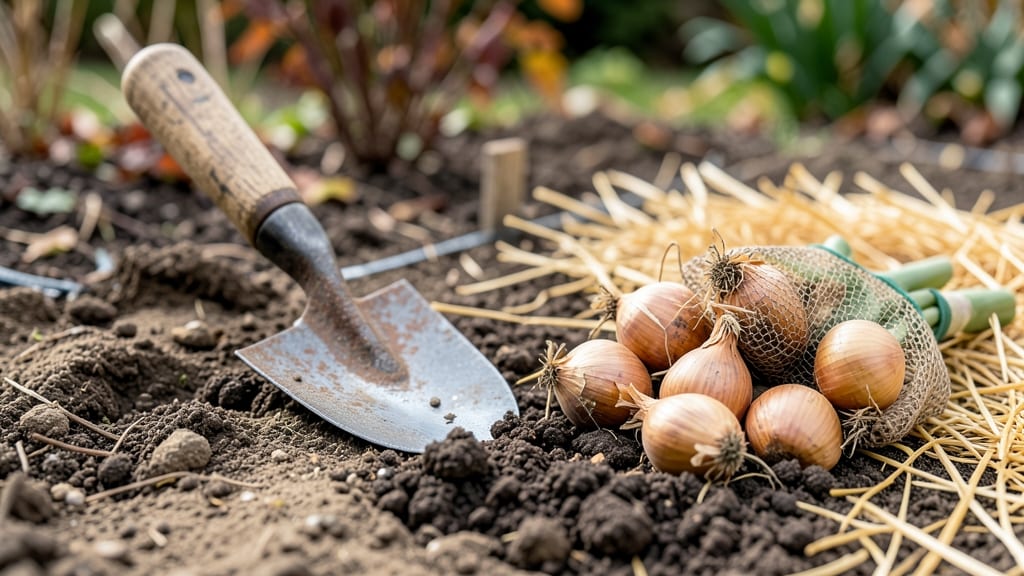
If you’ve ever planted daffodil bulbs 🌼 in Alabama only to watch them struggle through the heat or rot before blooming, you’re not alone. The key to vibrant, long-lasting daffodils lies in timing—specifically, knowing when to plant them so they thrive before summer’s intensity hits.
Alabama’s USDA Zones 7a-8b mean your daffodils face a unique challenge: warm winters and unpredictable springs. Plant too early, and bulbs may rot in soggy soil; too late, and they won’t establish roots before the heat arrives.
The sweet spot? October through November, when temperatures drop but the ground stays workable.
I’ll walk you through the exact months to plant, how to adjust for Alabama’s microclimates (like coastal humidity vs. northern frosts), and which daffodil varieties handle the heat best. By the end, you’ll know exactly when to dig those bulbs for blooms that outlast the summer.
Ready to skip the guesswork? Let’s get your daffodils off to the right start—because the best time to plant isn’t just a month, it’s a strategy.
Best planting months for daffodils in Alabama: a climate-specific guide
Alabama’s USDA Zones 7a-8b create a unique challenge for daffodil gardeners. Unlike northern states, our mild winters and hot summers demand precise timing to ensure bulbs establish roots before heat stress sets in.
The ideal window is October through November, but regional microclimates—like Mobile’s coastal warmth versus Huntsville’s cooler uplands—can shift this by weeks.
Most gardeners in North Alabama (Zones 7a-7b) should aim for mid-October to early November, while those in South Alabama (Zones 8a-8b) can extend planting until late November.
The key is planting 6-8 weeks before the first hard frost (typically mid-November), giving roots time to anchor before winter dormancy. Soil temperatures should also be below 60°F to prevent premature sprouting.
For extra insurance, use a soil thermometer—plant when temps consistently dip below 65°F at 4-inch depth. This threshold varies by week: early October in Mountain City, late October in Birmingham, and November near Mobile.
Bulbs planted too early may rot in warm, moist soil, while late plantings risk shallow roots unable to handle summer heat.
🌼 Pro Tip: If you miss the fall window, December planting is still viable in Zone 8b (e.g., Mobile, Dothan), but prioritize well-draining soil to prevent waterlogging during Alabama’s wet winters.
| Region | USDA Zone | Ideal Planting Window | Soil Temp Threshold | Key Risk |
|---|---|---|---|---|
| North Alabama (Huntsville, Decatur) | 7a-7b | Mid-October – Early November | Below 60°F at 4" | Early frost |
| Central Alabama (Birmingham, Montgomery) | 7b-8a | Late October – Mid-November | Below 65°F at 4" | Wet soil rot |
| South Alabama (Mobile, Dothan) | 8a-8b | November – Early December | Below 70°F at 4" | Heat stress |
🌱 Note: Adjust 1-2 weeks earlier for high-altitude areas (e.g., Lookout Mountain) or later for coastal zones.
Alabama’s variable rainfall patterns also play a role. In dry years, wait until soil is moist but not soggy—daffodil bulbs need good drainage to avoid fungal diseases like basal rot.
Amend heavy clay soil with compost or sand to improve aeration. In wet springs, prioritize raised beds or slopes to prevent waterlogged roots, which can stunt blooms.
Another critical factor is bulb size. Larger bulbs (over 5/8 inch) establish faster and handle Alabama’s heat better. Smaller bulbs may need extra time—plant them 2 weeks earlier than your zone’s ideal window.
For container gardening, use well-draining pots and plant in October to ensure roots have time to spread before summer’s intensity.
💧 Watering Tip: After planting, give bulbs a deep watering to settle soil around roots, then reduce frequency to once every 2 weeks until spring sprouting. Overwatering in winter can suffocate bulbs, while drought stress in late fall may delay root growth.
For reliable blooms, pair your planting timeline with mulching. Apply 2-3 inches of mulch (straw or shredded leaves) after planting to insulate bulbs from temperature swings and retain moisture.
In Zone 8b, remove mulch in early spring to prevent overheating, while northern zones can leave it until March.
Finally, test your soil’s pH before planting—daffodils thrive in neutral to slightly acidic soil (6.0-7.0). Alabama’s native clay often tests alkaline (7.0+), so amend with peat moss or sulfur if needed.
A simple $10 soil kit from your local garden center will save you from poor blooms or bulb decline
Best planting months for daffodils in Alabama: a climate-specific guide
Alabama’s USDA Zones 7a-8b create a unique challenge for daffodil lovers. Unlike northern states, we don’t get deep freezes—just warm winters and unpredictable springs. The ideal planting window is October through November, when soil temperatures drop below 60°F (15°C) but stay above freezing.
This timing lets bulbs establish roots before winter dormancy, while avoiding the heat stress of summer. In northern Alabama (Zone 7a), aim for early October; in southern Alabama (Zone 8b), stretch into mid-November. The goal? Plant 6-8 weeks before the first frost—typically around November 15.
Here’s why this matters: Daffodils need cool soil to root but warmth to bloom. Plant too early (September), and bulbs may rot in wet soil; too late (December), and they won’t establish roots before spring heat arrives.
🌼 Alabama Daffodil Planting Timeline
| Month | Soil Temp | Action | Notes |
|---|---|---|---|
| September | 65-75°F (18-24°C) | Early prep only | Risk of rot in wet soil |
| October | 55-65°F (13-18°C) | Best time to plant | Root establishment begins |
| November | 45-55°F (7-13°C) | Last chance to plant | Avoid if ground freezes |
| December | Below 40°F (4°C) | Too late | Bulbs won’t root before heat |
Alabama’s microclimates complicate things further. Coastal areas like Mobile (Zone 8a) can plant later, while Huntsville (Zone 7a) may need to start earlier. Always check your local frost dates—the Alabama Cooperative Extension provides free frost maps for your county.
Pro tip: Use a soil thermometer to confirm temperatures. Daffodils root best in 50-60°F (10-15°C) soil. If your soil is warmer, wait a week or two. If it’s colder, plant immediately—bulbs can handle light freezes but not soggy, frozen ground.
Once planted, mulch with 2-3 inches of straw to insulate bulbs through winter. This simple step prevents heat stress in spring and ensures blooms that outlast Alabama’s summer heat. With the right timing, your daffodils will reward you with bold, early-season color before the humidity sets in.