
Plants
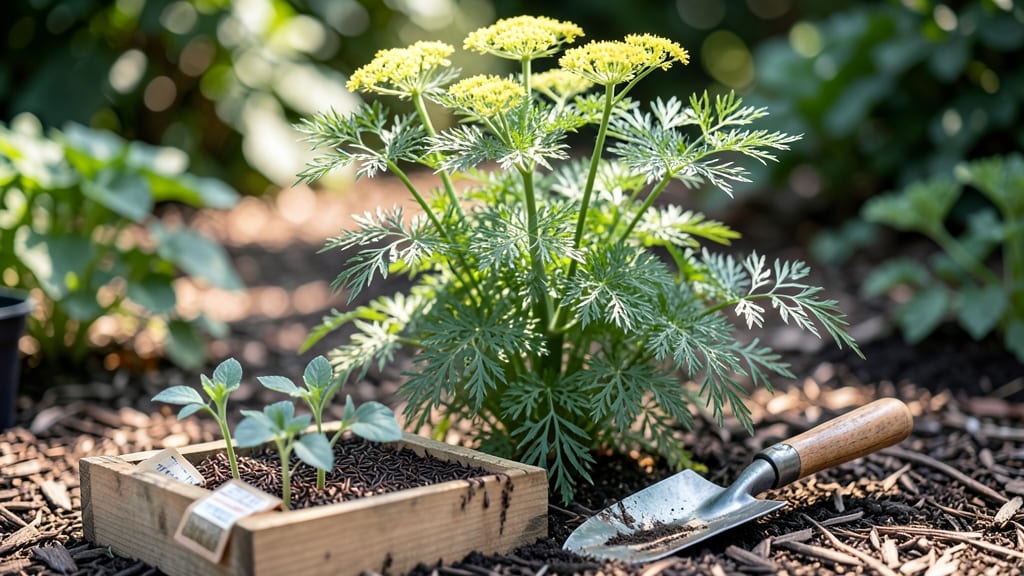
If you’ve ever struggled to grow dill in Florida’s unpredictable climate, when to plant dill in florida is the game-changer you’ve been missing.
Whether you’re in humid coastal areas or inland heat zones, planting at the wrong time can mean the difference between a bountiful harvest and a sad, wilted 🌿. The key? Knowing when to start seeds for optimal growth—without bolting in the heat or drowning in summer rains.
Florida’s frost-free year-round climate gives you flexibility, but fall and spring remain the sweet spots for dill success. Coastal regions like Miami can plant almost anytime, while inland areas like Tallahassee need to time it just right to avoid summer’s scorching sun.
I’ll break down the exact months to sow, plus soil and light tricks to keep your dill thriving—no matter where you garden.
You’ll also discover how to adjust for Florida’s microclimates, from protecting seedlings in windy coastal zones to shading plants in inland heat. These small tweaks can extend your harvest window by weeks, ensuring fresh dill for soups, salads, and pickles all year.
Let’s get your garden growing the right way.
Ready to stop guessing and start harvesting? I’ll walk you through the steps—from seed to table—so you can enjoy homegrown dill without the trial and error. Your next perfect batch of pickles starts here.
Optimal planting months for dill in Florida: coastal vs inland schedule
Florida’s climate creates two distinct zones for planting dill: coastal areas with high humidity and inland regions with intense summer heat. Both require precise timing to avoid bolting or pest pressure.
Coastal gardeners like those in Miami should aim for fall and early spring, while inland areas like Tallahassee benefit from late fall to early winter plantings.
The key difference lies in heat stress thresholds—coastal dill struggles after May, while inland dill bolts faster in June and July. Understanding these windows ensures a 60-75 day harvest window without wasted effort.
Let’s break down the best months for each zone, including last frost dates (though Florida rarely sees frost) and harvest timelines.
| Region | Best Planting Window | Last Frost Date | Heat Stress Risk | Harvest Timeline | Key Considerations |
|---|---|---|---|---|---|
| Coastal (Miami, Tampa) | September–November (fall) or January–March (spring) | None (tropical) | High after May | 60–75 days post-planting | Humidity increases bolting risk after May |
| Inland (Tallahassee, Gainesville) | October–December (fall) or February–April (spring) | None (tropical) | Critical June–August | 60–75 days post-planting | Drought stress in summer |
For coastal Florida, the fall window (September–November) is ideal because temperatures stay mild, and humidity is manageable. Planting in January–March avoids the June–August heat spike, which can cause dill to bolt prematurely.
In Miami or Fort Lauderdale, even slight heat stress after May 15th can reduce leaf quality.
In inland Florida, the October–December window aligns with cooler nights and lower humidity. February–April plantings avoid the June–August drought, which stresses dill roots. Areas like Tallahassee or Ocala see faster growth in spring but must protect plants from windburn during dry spells.
Both zones benefit from succession planting—sow seeds every 3–4 weeks to ensure a continuous harvest. For example, a September 1st coastal planting yields harvests by November 15th, while an October 15th inland planting is ready by December 30th.
This strategy maximizes your 60–75 day harvest window without gaps.
Pro Tip: Use shade cloth in summer for inland plantings to reduce heat stress, while coastal gardeners should prioritize well-draining soil to prevent fungal issues from humidity. Both regions should avoid planting after May 1st unless using season-extending techniques like row covers.
Understanding these regional nuances ensures your dill thrives year-round, whether you’re battling coastal humidity or inland heat. Next, we’ll explore microclimate adjustments to fine-tune your planting schedule for maximum success.
How to adjust your dill planting for Florida’s microclimates
Florida’s microclimates can drastically impact your dill’s success, so adjusting your planting strategy is key. Coastal areas like Miami and Tampa face high humidity and salt spray, while inland spots like Orlando or Gainesville battle intense summer heat. Understanding these differences helps you fine-tune your approach for a thriving harvest.
For coastal regions, prioritize wind protection and well-draining soil to combat salt buildup. Inland gardens need shade cloth during peak summer months to prevent bolting and heat stress.
I’ll walk you through the exact adjustments needed for each zone, so you can avoid common pitfalls and maximize your dill’s potential.
Here’s how to tailor your planting for Florida’s unique conditions:
- Soil Temperature Triggers for Germination
Dill seeds need soil temps of 60-70°F to sprout. Use a soil thermometer to check before planting. Inland areas hit these temps earlier (February-March), while coastal zones may wait until April.
- Coastal Humidity Workarounds
High humidity speeds up fungal diseases. Space plants 12-18 inches apart for airflow and mulch with straw to reduce soil moisture. Elevate containers to prevent root rot from standing water.
- Inland Heat Mitigation Techniques
Shade cloth (30-50%) during June-August prevents bolting. Water deeply at soil level (not overhead) to avoid leaf scorch. Drip irrigation keeps roots cool without wetting foliage.
- Post-Harvest Extension Tips
Succession plant every 3-4 weeks in fall for continuous harvests. Coastal gardeners can extend seasons by planting near trees for partial shade, while inland growers benefit from black plastic mulch to warm soil.
Don’t overlook companion planting—pair dill with bush beans or cucumbers to improve growth. Beans fix nitrogen, while cucumbers provide shade for dill’s roots. This simple trick can boost your harvest by 20-30% without extra effort.
For container gardeners, choose 5-gallon pots with drainage holes and use a lightweight potting mix. Coastal containers need extra salt rinses after storms, while inland pots benefit from reflective mulch to deflect heat. These small tweaks make a big difference in Florida’s extreme conditions.
Pro tip: Mark your calendar for September 1—this is the ideal last planting date for a fall harvest in most of Florida. After this, dill may bolt before producing usable leaves. With these adjustments, you’ll enjoy fresh dill year-round, no matter where you garden in the Sunshine State 🌿.