
Plants
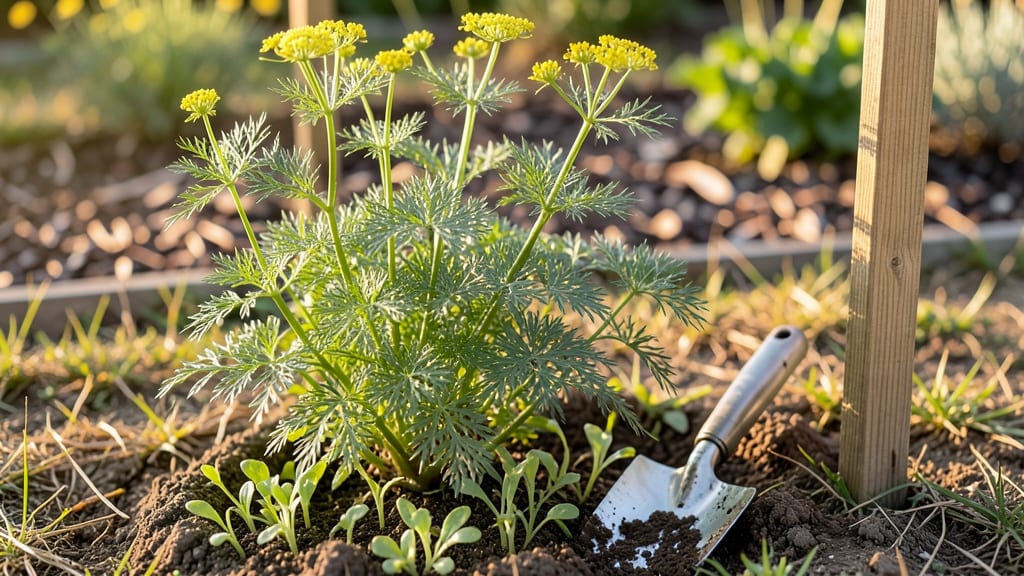
Timing your dill planting in Oregon can mean the difference between a thriving herb garden and a sad, bolted disappointment—especially with the state’s wild swings from coastal chill to high-desert heat.
If you’ve ever watched your dill flowers before you could even harvest a single leaf, you know the frustration all too well.
Here’s the secret: Oregon’s microclimates demand precision. Plant too early in the Willamette Valley, and frost will nip your seedlings. Wait too long in the high desert, and your dill will rush to flower under summer’s scorching sun.
The right window isn’t just about months—it’s about weeks, and I’ll show you exactly when to start seeds or transplants for each region.
Dill’s biennial nature means it’ll self-seed like crazy if you let it, but that’s only helpful if you’ve got the timing right. We’re talking pest-resistant plants that stay lush and aromatic from summer through fall, not bitter stalks that go to seed before you can use them.
Let’s get into the specifics so your garden becomes a dill powerhouse.
Whether you’re a coastal gardener in USDA Zone 7 or a high-desert grower in Zone 8, I’ve got the exact planting dates and adjustments you need to avoid common Oregon mistakes. Ready to grow dill that actually stays useful? Let’s dive in.
Oregon’s best planting weeks for dill by region (coastal, Willamette Valley, high desert)
Oregon’s diverse microclimates mean your dill planting schedule should shift dramatically depending on whether you’re gardening near the Pacific coast, in the Willamette Valley, or in the high desert.
Coastal areas stay cooler longer, while inland zones can experience heatwaves by May. Getting the timing right prevents bolting (premature flowering) and ensures robust, pest-repelling foliage.
Dill thrives in USDA zones 6-9, but Oregon’s 30-day frost-free windows vary wildly. Coastal Portland averages 280 frost-free days, while Bend in the high desert enjoys 150+ days. Plant too early in cold zones, and frost will kill seedlings; too late, and summer heat accelerates bolting.
Let’s break it down by region for optimal planting weeks and harvest timing.
🌱 Visual Guide: Use this comparison table to find your perfect planting window, accounting for soil warmth, pest cycles, and regional frost dates. Adjust for early vs. late varieties if needed.
For coastal Oregon, aim for late April to early May when ocean breezes moderate temperatures. The Willamette Valley can start as early as late March, but cover seedlings with frost cloth if nights dip below 32°F.
High desert gardeners should wait until mid-May to avoid heat stress on young plants.
Dill is a biennial plant, meaning it grows leaves the first year and flowers the second. In Oregon, it often self-seeds prolifically, so you might find volunteer plants popping up in spring.
If you want fresh dill all season, consider succession planting—sow seeds every 2–3 weeks from April to June for a staggered harvest.
One critical Oregon-specific tip: Avoid planting dill near carrots or celery—it can stunt their growth. Instead, pair it with tomatoes, cucumbers, or cabbage to improve yields and deter pests like spider mites. The anise-scented foliage naturally repels aphids and attracts beneficial ladybugs.
If you’re growing dill for seed production (to dry and save for next year), let some plants bolt and flower in late summer. The high desert’s shorter season may limit this, but coastal areas can produce two harvests: one for leaves in summer and another for seeds in fall.
Remember, Oregon’s unpredictable weather means flexibility is key. If a late frost hits in April, wait another 2–3 weeks before planting. Similarly, if unseasonable heat arrives early (like in 2021’s heat dome), delay until soil cools slightly in the evening.
For container gardening, use 5-gallon pots and plant in May to avoid early-season chills. Containers warm up faster than garden beds, giving you a 2-week head start on ground-planted dill. Just ensure pots have drainage holes to prevent root rot in Oregon’s damp springs.
Finally, mark your calendar for late August—this is when dill’s aroma peaks in most of Oregon. Coastal varieties may linger
Oregon’s best planting weeks for dill by region (coastal, Willamette Valley, high desert)
Oregon’s microclimates create wildly different growing conditions for dill. The coastal regions stay cool longer, while the High Desert warms up faster—both affect your planting timeline. Understanding these zones helps you avoid frost damage or premature bolting, ensuring a robust harvest.
Dill thrives in USDA zones 6-9, but Oregon’s 30-day frost-free ranges vary dramatically. Coastal areas like Astoria enjoy warmer springs earlier, while Bend’s high desert may need to wait until late May. Aligning your planting with these patterns maximizes your pest-resistant harvest potential.
| Region | Best Planting Window | Last Frost Date | Key Consideration |
|---|---|---|---|
| Coastal (Astoria, Cannon Beach) | Mid-April to early May | Mid-March to early April | Cool, moist air delays germination |
| Willamette Valley (Portland, Eugene) | Late April to early May | Late April to early May | Moderate climate, ideal for succession planting |
| High Desert (Bend, La Pine) | Late May to early June | Mid-May to late May | Hot days require extra watering |
For coastal Oregon, aim to plant dill seeds 2-3 weeks after your last frost date. The Willamette Valley offers a broader window, making it perfect for succession planting every 2 weeks. In the High Desert, wait until soil temperatures reach 60°F to prevent slow germination.
Dill’s biennial nature means it self-seeds easily in Oregon’s mild winters. Let some plants bolt and go to seed to ensure next year’s crop—just thin seedlings to 12 inches apart for optimal growth. This natural cycle reduces your labor costs while keeping pests at bay.
Always choose organic seeds for best results. Oregon’s pest cycles favor dill’s natural repellent properties, but healthy plants resist more effectively. Start with Bouquet dill for feathery leaves or Fernleaf dill for compact growth—both thrive in Oregon’s varied climates.
Monitor your local weather forecasts for sudden cold snaps. Coastal areas may need row covers if temperatures dip below 40°F after planting. With the right timing, your dill will reward you with bold flavors and natural pest control all season long. 🌱