
Plants
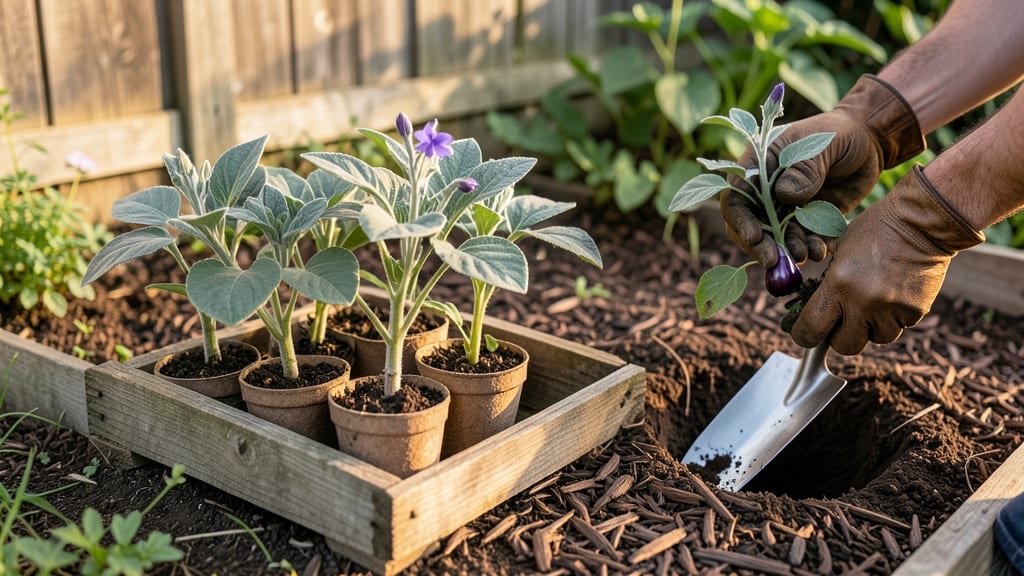
Timing your eggplant planting in Florida isn't just about avoiding frost—it's about beating the heat and humidity before pests and stress take over. With 9a-11 zones offering 270-365 frost-free days, you've got a long window, but getting it wrong means wilted plants or stunted yields.
The key is planting when soil temps hit that sweet spot of 70°F+, which gives your 🍆 the best shot at thriving.
Most Florida gardeners swear by starting eggplants in March or early April for spring harvests, but don’t stop there—fall plantings in August or September can still deliver fruit before cooler weather arrives. The trick is balancing heat tolerance with pest pressure, especially in North Florida where humidity spikes in summer.
Whether you're direct-seeding or transplanting, getting this right means fewer struggles and more homegrown bounty.
I’ve grown eggplants in Florida for years, and the difference between a successful crop and a failed one often comes down to these exact timing decisions. You’ll learn which months work best for your specific zone, how to prep soil for Florida’s sandy conditions, and which heat-resistant varieties actually perform.
Let’s get your eggplants off to the right start—because in Florida, timing isn’t just a suggestion, it’s survival.
From North Florida’s cooler springs to South Florida’s relentless sun, we’ll cover regional tweaks that make all the difference. Whether you’re a first-timer or a seasoned gardener, these insights will help you avoid common mistakes and maximize your harvest.
Ready to turn your Florida garden into an eggplant powerhouse? Let’s dive in.
Best months to plant eggplant in Florida: avoiding heat stress and pests
Florida’s long growing season and humid climate make eggplant a rewarding crop—but timing is everything. Unlike northern states, you won’t face frost, but heat stress and pests can ruin your harvest if you plant too early or late.
The ideal window spans from late March to early September, with regional adjustments for North vs. South Florida.
In North Florida (Zones 8a-9a), where cooler nights linger, aim for mid-March to early May for spring planting. This gives plants time to mature before summer’s 90°F+ heat sets in.
For a fall crop, start seeds indoors in mid-July and transplant by early August to harvest before winter’s chill arrives.
South Florida (Zones 10a-11) enjoys warmer soil year-round, so you can plant year-round with caution. Focus on March through September, avoiding peak summer heat (June-August) when fruit set drops due to stress. Use shade cloth during the hottest months to protect plants.
🌱
| Region | Best Planting Window | Soil Temp Requirement | Key Risks |
|---|---|---|---|
| North Florida | Mid-March to early May (spring) / Mid-July to early August (fall) | 70°F+ | Late frost, heat stress |
| Central Florida | Late February to early June / Late July to September | 75°F+ | Humidity, fungal diseases |
| South Florida | Year-round (avoid June-August) | 80°F+ | Pests, sun scald |
To pinpoint your exact planting date, monitor soil temperature—eggplants thrive when soil reaches 70°F+. Use a soil thermometer or check local weather stations for heat advisories.
In North Florida, wait until mid-April to avoid unpredictable cold snaps, while South Florida gardeners can start as early as February.
For transplants, buy heat-tolerant varieties from local nurseries in February-March and harden them off before setting them out.
If starting from seed, sow indoors 8-10 weeks before your target planting date. Black plastic mulch can warm soil 5-10°F faster, giving you a 2-3 week head start in cooler regions.
Watch for Florida-specific pests like squash bugs and aphids, which thrive in summer humidity. Plant marigolds or basil nearby to deter them naturally. Drip irrigation keeps foliage dry, reducing fungal diseases like powdery mildew—common in Florida’s sticky air.
🌡️
Remember: Eggplants hate transplant shock. If buying transplants, choose sturdy, stocky plants with 5-6 leaves and minimal root circling. Amend your sandy Florida soil with compost or aged manure to improve water retention. Mulch heavily (3-4 inches) to keep roots cool and conserve moisture during Florida’s dry spells.
By following these region-specific timelines, you’ll avoid the two biggest Florida eggplant killers: heat stress and pests. With the right timing, you’ll enjoy glossy, firm eggplants from June through November—just in time for your favorite recipes!
Best months to plant eggplant in Florida: avoiding heat stress and pests
Florida’s long growing season gives you flexibility with eggplants, but timing matters more than you might think. The ideal window spans from March through September, with two peak periods: spring (March-May) and early fall (August-September).
These months balance soil warmth (70°F+) with manageable humidity—critical for avoiding fungal diseases like powdery mildew that thrive in Florida’s summer heat.
North Florida gardeners (zones 8a-9a) have slightly more frost risk, so I recommend starting transplants by mid-March to beat any late frosts.
In South Florida (zones 10a-11), you can push planting into late February or even early January for early harvests, but be prepared for pest pressure like flea beetles that surge in warmer winters.
📅 Florida Eggplant Planting Timeline
| Season | Planting Window | Soil Temp | Key Considerations |
|---|---|---|---|
| Spring | March–May | 70–85°F | Start seeds indoors by February; transplant after last frost (mid-March). |
| Summer | June–July | 85–95°F | Use shade cloth for seedlings; prioritize disease-resistant varieties. |
| Fall | August–September | 75–85°F | Last chance for harvest before cooler weather; mulch to extend season. |
⚠️ Pro Tip: Use a soil thermometer—eggplants wilt when soil temps exceed 90°F.
Direct-seeding is risky in Florida’s heat, so I always recommend transplanting 6–8 week old seedlings. For spring plantings, aim for March 15–April 15—this gives plants time to establish before summer’s intense humidity peaks.
In fall, August 1–September 15 is your sweet spot, as it allows for a 60–75 day harvest window before cooler temps slow growth.
Avoid planting in late spring (May–June) unless you’re using shade cloth or container growing. The combination of 90°F+ soil temps and high humidity creates the perfect storm for blossom end rot and powdery mildew.
If you must plant then, opt for container growing with black plastic mulch to regulate soil temperature.
For North Florida, where nights dip below 60°F in fall, consider row covers to protect young plants. In South Florida, focus on pest prevention—aphids and whiteflies explode in summer, so I rotate crops annually and use neem oil sprays proactively.
The right timing isn’t just about months; it’s about microclimates and pest cycles too.
Remember: Florida’s 270–365 frost-free days are a gift, but they also mean longer pest seasons. Planting at the right time lets you beat the heat and outpace the bugs, giving your eggplants the best shot at success.
Start with these windows, and adjust based on your local microclimate—your garden’s unique conditions will dictate the fine-tuning.