
Plants
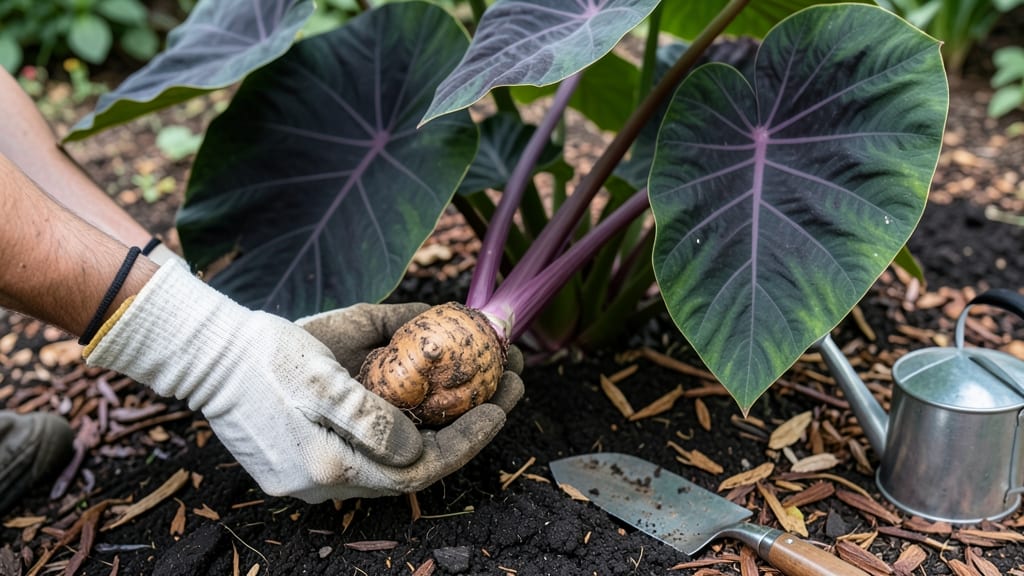
Timing your Elephant Ear 🌿 planting in Oklahoma could mean the difference between a showstopping garden display and sad, wilted leaves by summer.
With Oklahoma’s 6a-7b climate and unpredictable spring nights, getting those tubers in the ground too early risks frost damage, while planting too late might leave your plants struggling to establish before the heat hits.
Most gardeners in Oklahoma wait until after the last frost date (mid-April to early May) to plant Elephant Ears, but there’s more to it than just the calendar. Soil temperature plays a critical role—these tropical-looking plants need the ground to warm up to at least 60°F before they’ll thrive.
That’s why I recommend checking soil temps and watching for those first consistent 70°F days as your green light.
Whether you’re planting tubers or starting from seeds (though tubers are far more reliable for Oklahoma’s short growing season), the key is patience. Rushing the process can lead to stunted growth or even plant death, especially when summer’s 90°F+ heat rolls in.
Let me walk you through the exact steps to time your planting perfectly for bold, healthy foliage that’ll be the star of your garden all season long.
From choosing the right heat-resistant varieties to preparing your soil just right, I’ll cover everything you need to know to avoid common mistakes and give your Elephant Ears the best possible start. Trust me, your garden will thank you with those dramatic, 5-foot-tall leaves you’ve been dreaming of!
Optimal planting windows for elephant ears in Oklahoma’s climate zones
Oklahoma’s USDA zones 7a-8a create a tricky balance for planting elephant ears (Colocasia). The key is waiting until after your last frost date, which typically falls between mid-April and early May across most of the state.
Planting too soon risks frost damage to tender tubers, while waiting too late may limit foliage growth before summer’s heat peaks.
For northern Oklahoma (zone 7a), aim for mid-May planting to avoid late spring frosts. In central and southern Oklahoma (zones 7b-8a), you can start as early as late April once soil temperatures consistently reach 60°F. Use a soil thermometer to confirm—tubers need warmth to sprout successfully.
Container planting offers flexibility. You can start tubers indoors 4-6 weeks before your last frost date, then transplant them outside after temperatures stabilize. This method extends your growing season by 2-3 weeks compared to direct outdoor planting.
| Zone & Location | Last Frost Date | Optimal Planting Window | Soil Temp Requirement | Heat Tolerance Tip |
|---|---|---|---|---|
| Zone 7a (North OK: Tulsa, OKC) | Mid-April | Mid-May | 60°F+ consistently | Choose 'Black Magic' variety |
| Zone 7b (Central OK: Lawton) | Early April | Late April | 58°F+ consistently | Mulch heavily for heat |
| Zone 8a (South OK: OKC, Tulsa) | Late March | Early April | 55°F+ consistently | Partial shade essential |
| Containers (Any Zone) | N/A (Indoor Start) | 4-6 weeks before last frost | 65°F+ for sprouting | Use lightweight potting mix |
For container planting, select pots with drainage holes and use a well-draining potting mix blended with perlite. Containers warm up faster than garden beds, so monitor soil moisture closely—elephant ears wilt quickly when roots dry out. Elevate containers to prevent waterlogging, especially in Oklahoma’s heavy clay soils.
After planting, apply 2-3 inches of mulch to retain moisture and regulate soil temperature. Organic mulches like shredded bark work best, as they break down slowly and improve soil structure over time. Avoid plastic mulches—they can overheat tubers during Oklahoma’s 90°F+ summers.
If you miss the spring window, don’t despair! Elephant ears can tolerate light summer planting (June) in Oklahoma’s southern zones, though growth may be slower. For northern areas, summer planting risks heat stress before foliage matures.
Always harden off container-grown plants by exposing them to outdoor conditions for 7-10 days before final planting.
Pro tip: Mark your calendar for October 15—this is when you should dig up and store tubers in northern Oklahoma. In southern zones, you can leave them in lightly mulched beds until November 1, but protect them with frost cloth if temperatures dip below 30°F.
Remember, elephant ears thrive on patience. Rushing planting timelines often leads to leggy, weak plants that struggle in Oklahoma’s intense summer sun. By following these zone-specific windows, you’ll give your tubers the best chance to develop bold, healthy foliage that steals the show in your garden.
Optimal planting windows for elephant ears in Oklahoma’s climate zones
Oklahoma’s USDA zones 7a-8a create a unique challenge for elephant ears, where spring frost risks clash with summer heat waves. Planting too early exposes tender tubers to 32°F+ nighttime temps, while late planting may stunt growth before Oklahoma’s 90°F+ summers arrive.
The ideal window is mid-April to early May, after soil reaches 60°F+.
For northern Oklahoma (zones 7a-7b), wait until after May 15 to avoid late frosts. In central/southern Oklahoma (zones 7b-8a), you can plant as early as mid-April if nighttime temps stay above 50°F. Container planting offers 2-3 weeks flexibility since pots warm faster than garden beds.
🌱 Elephant Ear Planting Timeline for Oklahoma
| Zone | Last Frost Date | Optimal Planting Window | Soil Temp Requirement | Heat Tolerance Tip |
|---|---|---|---|---|
| 7a (Northern OK) | April 15 | May 1-15 | 65°F+ | Use Black Magic variety |
| 7b (Central OK) | April 1 | April 15-May 1 | 60°F+ | Mulch heavily for heat |
| 8a (Southern OK) | March 15 | March 30-April 15 | 55°F+ | Container planting ideal |
⚠️ Pro Tip: Test soil temp with a soil thermometer—elephant ears won’t thrive below 60°F.
For container planting, start tubers indoors 4-6 weeks before your zone’s last frost date. Use well-draining potting mix with 30% perlite to prevent rot. Move containers outdoors gradually (1-2 hours daily) starting 2 weeks before transplanting to harden them off.
If you miss the spring window, late summer replanting (August) works for heat-tolerant varieties like 'Illustris'. However, expect slower growth before Oklahoma’s first frost (Nov 1). Always mulch heavily (3-4 inches) to insulate roots during temperature swings.
Monitor local weather forecasts for unpredictable cold snaps—even in summer. If nighttime temps drop below 55°F, cover plants with frost cloth or move containers to protected areas. Oklahoma’s microclimates mean your neighbor’s perfect timing might fail in your garden!
Remember, elephant ears are tropical plants—they thrive on consistent warmth. The earlier you plant (within safe limits), the longer your bold foliage will display before winter. Start planning now to avoid summer wilt and enjoy 6-foot-tall leaves all season!