
Planting
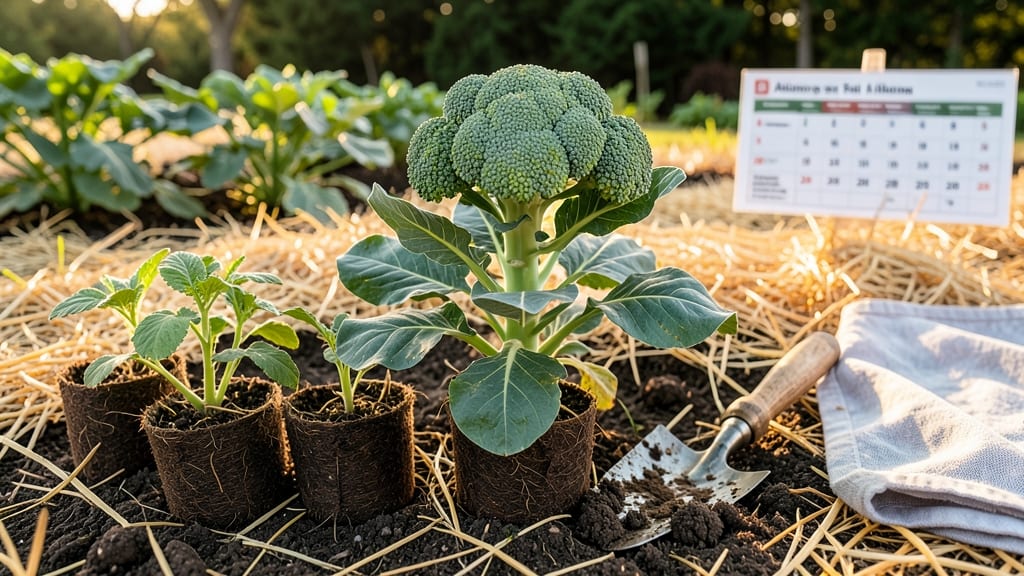
When to plant a fall garden in Alabama wrong could mean the difference between a bountiful harvest and wasted seeds. With Alabama’s unique Zone 7B climate, you’ve got just a narrow window—mid-August to early October—to get cool-season crops like kale and carrots 🥬 in the ground before the first frost.
Here’s the catch: Plant too early, and your greens bolt in summer’s heat. Too late, and frost steals your harvest before you even taste success. I’ll break down the exact deadlines for North Alabama’s cooler hills versus the South’s lingering warmth, so you never miss another planting window again.
You’ll also discover which fall crops thrive best in Alabama’s soil and how to stretch their harvest well into December. Whether you’re a first-time gardener or a seasoned pro, these microclimate-specific tips will help you avoid common mistakes—and keep your garden productive until the first frost.
Ready to turn your Alabama backyard into a fall harvest goldmine? Let’s dive into the perfect planting schedule that actually works for your corner of the state.
Alabama fall planting deadlines by microclimate: north vs. central vs. South
Alabama’s Zone 7B climate creates distinct fall planting windows across its three regions. North Alabama’s cooler highlands (like Huntsville) have earlier frost dates, while South Alabama’s humid coastal plains (such as Mobile) enjoy a longer growing season.
Central Alabama (Birmingham area) falls in between, with transition-zone timing that requires careful planning.
To avoid heat stress or frost damage, I’ve mapped out region-specific deadlines for transplanting and direct sowing. For example, in North Alabama, you’ll want to plant cool-season crops by mid-September, while South Alabama gardeners can push planting until early October.
Here’s how to align your planting with Alabama’s microclimates:
| Region | Last Frost Date | Ideal Transplant Window | Direct Sow Deadline | Seed Starting Window |
|---|---|---|---|---|
| North Alabama (Huntsville, Decatur) | Mid-November | Mid-August to mid-September | Late August to early October | Early July to mid-August |
| Central Alabama (Birmingham, Montgomery) | Early December | Late August to late September | Late August to mid-October | Early July to late August |
| South Alabama (Mobile, Dothan) | Late December | Late August to early October | Late August to late October | Early July to early September |
For transplants like broccoli or cabbage, aim to get them in the ground 6-8 weeks before frost.
In North Alabama, this means mid-August for transplants, while South Alabama can wait until early October. Direct-sown crops like radishes or lettuce have more flexibility but should still avoid late-September heat.
If you’re starting seeds indoors, begin 4-6 weeks before transplanting. For North Alabama, this means early July, while South Alabama gardeners can start seeds as late as early September. Use grow lights if natural light is limited during Alabama’s shorter autumn days.
Pro tip: Check your local Alabama Cooperative Extension office for hyper-local frost dates. Elevation changes (like those in the Appalachian foothills) can shift frost dates by 1-2 weeks. For example, Cullman’s cooler microclimate may frost earlier than nearby Birmingham.
Don’t overlook succession planting for crops like bush beans or turnips. In South Alabama, you can even squeeze in a late-October planting of spinach or kale with row covers to protect against early frosts.
Remember, Alabama’s soil temperatures drop faster than air temperatures in fall. Test your soil with a thermometer—ideal planting temps for cool-season crops are 60-70°F. If your soil is still above 80°F, wait a week or two before planting.
For hardy greens like collards or mustard greens, you can push planting even later—some varieties tolerate light frosts. But for heat-sensitive crops like lettuce or spinach, stick to the early-September deadline in North Alabama to avoid bolting.
🌱
Alabama fall planting deadlines by microclimate: north vs. central vs. South
Alabama’s Zone 7B climate creates three distinct fall planting zones, each with its own last frost dates and ideal transplanting windows. North Alabama’s cooler highlands (like Huntsville) have earlier frosts, while South Alabama’s humid lowlands (like Mobile) stay warm longer.
Understanding these differences means the difference between a bountiful fall harvest and wasted seeds.
For North Alabama, aim to plant cool-season crops like broccoli and kale by mid-August. Central Alabama’s transition zone (Birmingham area) extends this window until late September, while South Alabama can push planting to early October.
Miss these deadlines, and you risk premature bolting or frost damage before harvest.
Here’s how to align your planting schedule with Alabama’s three microclimates:
| Region | Last Frost Date | Ideal Transplanting Window | Seed-Starting Deadline |
|---|---|---|---|
| North Alabama (Huntsville, Decatur) | Mid-November | Mid-August to early September | Early July (for transplants) |
| Central Alabama (Birmingham, Montgomery) | Late November | Late August to late September | Mid-July (for transplants) |
| South Alabama (Mobile, Dothan) | Early December | Late August to early October | Early August (for transplants) |
*Adjust for local frost dates using Alabama A&M’s frost calendar.
Pro tip: Use 6-8 week backward counting from your area’s first frost date. For example, if frost hits November 15, plant leafy greens by September 20 to ensure a harvest before winter. Root crops like carrots and beets need 70-90 days, so start them even earlier.
Don’t overlook succession planting—sow radishes and lettuce every 2 weeks from August through September to keep your harvest fresh. In South Alabama, you can even squeeze in a late fall crop of turnips or collards by early October, thanks to the extended growing season.
For heat-sensitive crops like spinach and peas, wait until September 1 to avoid summer’s lingering heat. Monitor your local high-temperature trends—if nights stay above 75°F, delay planting until soil temps drop below 80°F.
Now that you’ve got your planting deadlines locked in, let’s explore which fall crops thrive best in Alabama’s soil—and how to stretch their harvest well into December. 🌱