
Planting
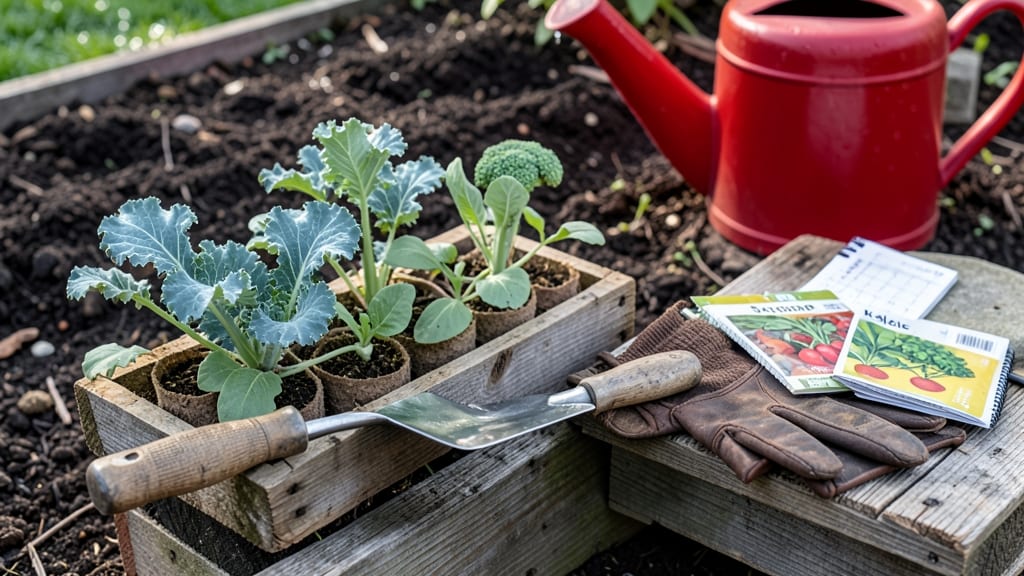
If you’ve ever stared at your Texas garden in late summer and wondered when should you plant a fall garden in Texas, you’re not alone—timing is everything, especially with our unpredictable heat and early frosts.
Planting too early means battling scorching temperatures, while waiting too long risks a shorter harvest before the first frost. The ideal window is August through October, but the exact timing depends on your region—North Texas gardeners have a tighter schedule than those in the Rio Grande Valley.
I’ll break down the precise deadlines for heat-tolerant crops like okra, sweet potatoes, and collard greens, plus soil prep tips to give your plants the best shot at success. No more guesswork—just a foolproof plan for a bountiful fall harvest.
Whether you’re a first-time gardener or a seasoned pro, these strategies will help you avoid common mistakes and extend your growing season well into December. Let’s get started!
Texas fall planting deadlines by region: exact week-by-week schedule for heat-tolerant crops
Texas’ diverse climate means North, Central, and South regions have different fall planting deadlines. In North Texas (USDA Zone 8a), the first frost typically hits around November 15, while South Texas (Zone 9b-10a) can delay frost until December 15.
Planting too late risks heat stress, but starting too early may expose seedlings to summer pests. Let’s break down the exact week-by-week windows for your region.
For direct-sown crops like okra, black-eyed peas, and sweet potatoes, aim to plant 6-8 weeks before your first frost date. Transplants like kale, collards, and Swiss chard need 4-6 weeks to establish roots. Miss these windows, and you’ll battle bolting (premature flowering) or stunted growth.
Here’s your region-specific planting schedule to maximize yields before winter sets in:
| Region | Last Frost Date | Direct Sow Deadline | Transplant Deadline | Heat-Tolerant Crops |
|---|---|---|---|---|
| North Texas (Zone 8a) | Nov 15 | Early Aug - Mid-Sept | Mid-Aug - Early Oct | Okra, Black-Eyed Peas, Sweet Potatoes, Cowpeas |
| Central Texas (Zone 8b) | Nov 22 | Mid-Aug - Late Sept | Late Aug - Mid-Oct | Okra, Kale, Collards, Swiss Chard, Turnips |
| South Texas (Zone 9b-10a) | Dec 15 | Late Aug - Early Oct | Mid-Sept - Late Oct | Sweet Potatoes, Okra, Cowpeas, Peppers, Eggplant |
Pro tip: Use shade cloth for late-season plantings in North Texas to protect seedlings from lingering 90°F+ heat. In South Texas, focus on heat-loving crops like okra and sweet potatoes, which thrive even as temps dip into the 70s°F.
For transplants, harden off seedlings for 7-10 days before moving them outdoors. This toughens young plants against Texas’ swinging temperatures and dry winds. Skip this step, and you’ll risk transplant shock or wilting.
Soil temperature is just as critical as air temperature. Use a soil thermometer to confirm 60-70°F for most fall crops. Cool soil slows germination, so wait until late August for North Texas or early September for South Texas if your soil is still too warm.
Succession planting is your secret weapon in Texas. Sow fast-growing crops like radishes or turnips every 2-3 weeks until mid-September to ensure a steady harvest. This works especially well for leafy greens, which bolt quickly in heat.
Don’t forget to mulch heavily (3-4 inches of straw or wood chips) to retain moisture and moderate soil temps. In drought-prone regions, this can mean the difference between a thriving garden and a failed crop.
If you’re in Central Texas, aim to finish planting by early October. After that, daytime temps drop too quickly, and crops like broccoli or cabbage may struggle to mature before frost.
For South Texas gardeners, you’ve got a little more wiggle room—push okra and sweet potatoes until mid-October.
Mark your calendar now: August 15 is your last chance to direct-sow heat-loving crops in North Texas. Miss it, and you’ll be limited to transplants only, which may not yield as well.
Texas fall planting deadlines by region: exact week-by-week schedule for heat-tolerant crops
Texas’ diverse climate means your fall planting timeline depends heavily on your region—North Texas gardeners face earlier frosts than those in the Rio Grande Valley.
For North Texas (USDA Zones 7b-8a), the last safe planting window is mid-September to early October, while Central Texas (Zones 8a-8b) can extend planting until late October. In South Texas (Zones 9a-10a), you might even squeeze in late November plantings for heat-tolerant crops.
Soil temperature is your best guide: aim for 60-75°F soil for most fall crops. Use a soil thermometer to check—if it’s above 85°F, your seeds may fail to germinate.
I’ve planted okra in August only to watch it bolt in the heat, so timing is critical. Let’s break down the region-specific deadlines for your fall garden.
📅 Texas Fall Planting Deadlines by Region
| Region | Last Direct Sowing | Transplant Deadline | Heat-Tolerant Crops |
|---|---|---|---|
| North Texas (Zones 7b-8a) | Mid-September | Early October | Okra, Cowpeas, Sweet Potatoes |
| Central Texas (Zones 8a-8b) | Late September | Mid-October | Collard Greens, Kale, Turnips |
| South Texas (Zones 9a-10a) | Early November | Late November | Spinach, Lettuce, Radishes |
⚠️ Pro Tip: Check your local average first frost date and plant 6-8 weeks before for optimal harvests.
For direct-sown crops like beans and peas, start seeds indoors in late July to transplant by mid-August. This gives them a head start before temperatures drop. I’ve had success with succession planting every 2 weeks for leafy greens like lettuce and spinach—this ensures a continuous harvest until frost.
If you’re planting transplants like tomatoes or peppers, buy hardened-off seedlings from local nurseries in early August. Avoid buying tender starts too early—they’ll struggle in the heat. I learned this the hard way when my tomato plants wilted within days of transplanting in July!
Don’t forget to harden off seedlings for 7-10 days before planting. Move them outdoors for a few hours daily, gradually increasing exposure. This helps them adjust to Texas’ fluctuating temperatures and prevents transplant shock, which can delay growth by weeks.
For heat-tolerant crops like okra and sweet potatoes, you can push the envelope slightly. Plant okra in early August for a fall harvest, but be prepared to mulch heavily to retain moisture. I’ve seen okra thrive in 90°F+ soil with proper mulching—just monitor for pests like aphids during this time.
Finally, keep an eye on the 10-day forecast before your target planting date. If a heatwave is predicted, delay planting until temperatures drop below 95°F during the day. Your plants will thank you with stronger growth and higher yields.