
Vegetables
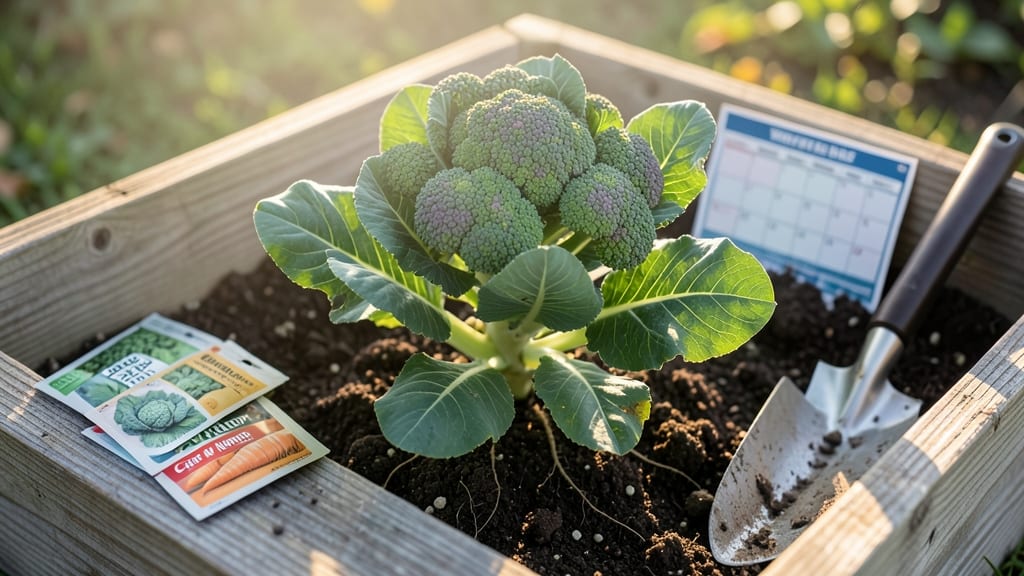
If you’ve ever wondered why your neighbor’s fall garden thrives while yours struggles, the answer likely lies in when to plant fall vegetables in Virginia—because timing is everything in Zone 7A/7B. Plant too early, and frost will nip your crops in the bud; too late, and you’ll miss the sweet spot for harvests.
The good news? Virginia’s mild autumn climate gives you a second chance to grow crisp kale, hearty broccoli, and sweet carrots—but you need to act fast.
I’ve spent years testing planting schedules here, and the difference between a bountiful fall harvest and a disappointing one often comes down to just a few weeks.
Whether you’re a seasoned gardener or a first-timer, knowing the exact windows for cool-season crops (like spinach and radishes) and warm-season holdovers (like beans and cucumbers) can mean the difference between a garden full of life and one full of weeds.
What you’re about to discover isn’t just theory—it’s a practical, Virginia-specific roadmap to planting dates, soil prep, and even how to stretch your growing season with row covers.
By the end, you’ll know exactly when to pop those seeds in the ground to avoid common pitfalls and enjoy fresh, homegrown veggies well into winter.
Let’s dive into the critical deadlines and pro tips that’ll turn your fall garden from “meh” to “magnificent.” Your taste buds—and your dinner plate—will thank you.
Virginia Zone 7A/7B fall planting deadlines by vegetable type
Fall gardening in Virginia’s Zone 7A/7B is a golden opportunity to grow crisp, flavorful vegetables before winter sets in. The key? Planting at the right time to ensure your crops mature before the first frost, which typically hits between mid-October and early November in most areas.
Cool-season crops like kale and broccoli thrive in these conditions, while warm-season favorites like beans and cucumbers need early starts to avoid heat stress.
Timing varies by crop, but most cool-season vegetables should be planted 8-10 weeks before your average first frost date. For Virginia, this means starting in late July to early September, depending on the variety.
Warm-season crops, on the other hand, need to be sown 60-90 days before the first frost, so aim for mid-May to early July for a fall harvest. Let’s break down the critical deadlines for your garden.
| Vegetable | Last Planting Date (Zone 7A/7B) | Days to Maturity | Notes |
|---|---|---|---|
| Broccoli | Late July - Early August | 50-70 days | Plant in well-draining soil; avoid bolting with shade cloth. |
| Kale | Late July - Mid-September | 45-60 days | Tolerates light frost; harvest outer leaves first. |
| Carrots | Mid-July - Early September | 60-80 days | Loosen soil to prevent forking; sow in succession. |
| Spinach | Late July - Mid-September | 30-50 days | Bolt-resistant varieties like 'Bloomsdale' work best. |
| Green Beans | Early July - Early August | 50-60 days | Warm-season crop; plant in full sun after soil warms. |
| Cucumbers | Mid-May - Early June | 50-70 days | Use trellises to save space; harvest frequently. |
| Lettuce | Late July - Mid-September | 30-50 days | Choose heat-tolerant varieties like 'Black Seeded Simpson'. |
For Northern Virginia (Zone 7A), where frosts arrive slightly earlier, push planting dates 1-2 weeks earlier than the table suggests. In Southern Virginia (Zone 7B), you can extend deadlines by 10-14 days, thanks to milder temperatures.
Always check the Virginia Cooperative Extension for your local frost dates—conditions can vary yearly.
Pro tip: Use succession planting to stagger harvests. For example, sow carrots every 2 weeks from July to September to enjoy a continuous supply. This works especially well for leafy greens like spinach and lettuce, which bolt quickly in heat.
If you’re new to fall gardening, start with hardy crops like kale and broccoli, which tolerate cooler temperatures better than others. These are forgiving for beginners and reward you with nutrient-packed harvests even as temperatures drop. Pair them with fast-maturing radishes (30 days) for quick wins!
Don’t overlook soil preparation—fall planting benefits from well-amended soil. Work in compost or aged manure 2-3 weeks before planting to improve fertility. Aim for a pH of 6.0-7.0, ideal for most vegetables. A soil test from your local extension office can save guesswork.
For warm-season crops like beans and cucumbers, prioritize early planting to avoid heat stress. These plants struggle when soil temperatures exceed
How to adjust planting dates for Virginia’s microclimates
Virginia’s Zone 7A/7B might seem uniform, but frost dates and soil warmth vary wildly between the Blue Ridge Mountains and Tidewater regions. A garden in Roanoke (higher elevation) can have 2-3 weeks earlier frosts than Richmond, throwing off your planting schedule if you don’t adjust.
Even within cities, urban heat islands can delay first frost by 10-14 days compared to rural areas.
To fine-tune your schedule, start by checking the Virginia Cooperative Extension’s frost maps—they provide 10-year averages for your exact county. For example, Northern Virginia (like Arlington) typically sees its first frost around October 25-30, while Southside Virginia (like Danville) may wait until November 10-15.
Use these dates as your backward count from harvest time.
Here’s how I adjust for local conditions: If you’re in a cooler microclimate (e.g., Shenandoah Valley), plant cool-season crops like kale 2 weeks earlier than the general guidelines. Conversely, in warmer urban areas (like Norfolk), you might push warm-season crops like beans 2 weeks later without frost risk.
Always err on the side of earlier planting—you can always use row covers to protect tender seedlings.
🌡️ 5 Microclimate Adjustments for Virginia Gardens
- Elevation: Add 1 week earlier for every 1,000 ft above sea level (e.g., Blacksburg vs. Virginia Beach).
- Urban Heat: Subtract 10-14 days from frost dates if gardening in asphalt-heavy areas (soil stays warmer).
- Water Bodies: Near lakes/rivers? Expect 3-5 days earlier frosts due to cooler air settling.
- Wind Exposure: Open fields? Plant hardier varieties or use windbreaks to protect seedlings.
- South-Facing Slopes: Soil warms 2-3 weeks earlier than north-facing—ideal for early spring/summer crops.
Extend your growing season with season-extending tools like low tunnels or cold frames, which can push harvests 4-6 weeks later than unprotected plants. For example, spinach planted in early September under a tunnel might still yield in mid-November, while uncovered plants would bolt by October 15.
Just ensure your structure allows ventilation to prevent overheating during Indian summer spells.
For succession planting, use the "3-week rule": Stagger plantings every 3 weeks for crops like lettuce or radishes to ensure a continuous harvest. In Virginia, this means starting your first batch in late August, the second in early September, and the third in mid-September.
This works especially well for fast-maturing crops that can’t handle frost.
Pro tip: Keep a gardening journal for at least 2 years to track your local frost dates, soil temps, and harvest success. Over time, you’ll spot patterns—like how 2022’s early October frost caught me off guard—and adjust future planting dates accordingly.
Your future self (and your dinner table) will thank you!