
Plants
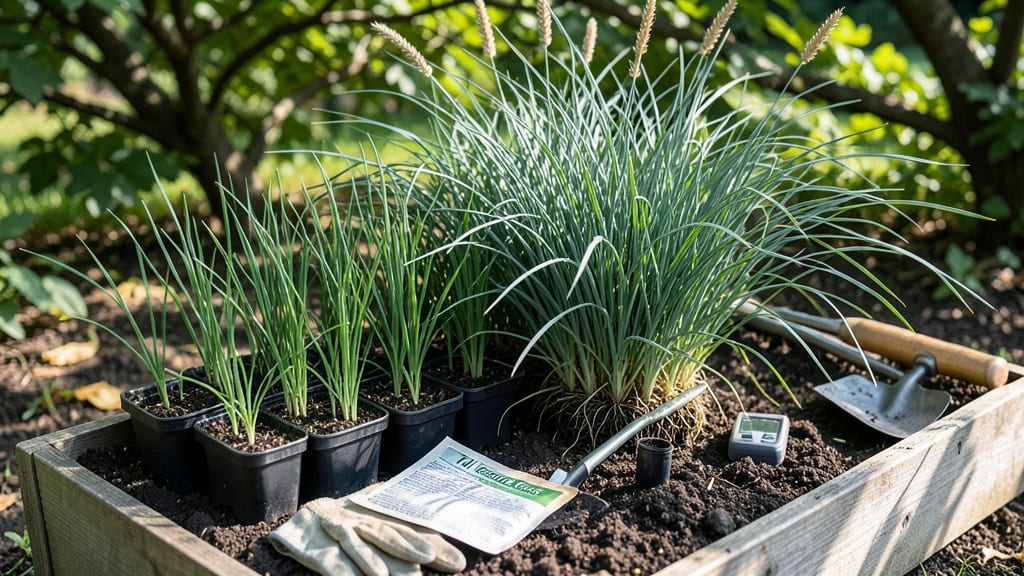
Timing your fescue planting in Arkansas could mean the difference between a lush, green lawn and one that struggles through the summer heat. If you've ever watched your grass wilt under Arkansas' intense sun, you know how critical the right window is for establishing strong roots.
For Arkansas gardeners in zones 7a-8b, the ideal time to plant 🌱 fescue is late summer to early fall—typically between August and October. This period gives your grass the perfect head start before winter sets in, allowing roots to grow deep and resilient before facing summer's challenges.
But why does this matter so much? Planting at the wrong time can leave your lawn vulnerable to heat stress, drought, or even weed competition. I'll walk you through the science behind Arkansas' climate, soil conditions, and the best practices to ensure your fescue thrives from day one.
Whether you're a first-time gardener or a seasoned pro, discovering the optimal planting window for your region will save you time, money, and frustration. Let's dive into the details so you can enjoy a beautiful lawn all year round.
Best months to plant fescue in Arkansas for optimal root establishment
Arkansas’s humid subtropical climate (USDA zones 7a–8b) demands precise timing for fescue grass to thrive. Planting outside the ideal window risks weak root systems that can’t handle summer’s 90°F+ temperatures or winter’s freezing nights.
The science is clear: late summer to early fall (August–October) is the gold standard for Arkansas lawns.
Why? Cool soil temperatures (60–75°F) encourage deep root growth before winter dormancy, while summer’s intense heat is avoided. This 4–6 week window before the first frost (typically mid-November) gives fescue time to establish before Arkansas’s humid winters slow growth.
For those who miss the fall window, early spring planting (March–April) is the next best option. By then, soil temperatures rise above 55°F, and Arkansas’s spring rains provide natural moisture. However, spring planting requires consistent irrigation to prevent drought stress during Arkansas’s hot, dry spells.
🌱
| Planting Window | Soil Temp (°F) | Arkansas Climate Benefit | Root Establishment Time |
|---|---|---|---|
| Late Summer (Aug–Sept) | 60–75°F | Cooler temps, less evaporation, ideal for germination | 4–6 weeks before frost |
| Early Fall (Oct) | 55–65°F | Moderate rain, reduced weed competition | 6–8 weeks before frost |
| Early Spring (March–April) | 55–65°F | Natural spring rains, warmer days for growth | 8–10 weeks before summer heat |
Arkansas’s northern regions (e.g., Bentonville) can plant slightly earlier (late August) due to cooler microclimates, while southern areas (e.g., Little Rock) should delay until early September to avoid summer’s extreme heat. Always check your last frost date—Arkansas’s varies by 1–2 weeks depending on elevation.
Pro tip: Use a soil thermometer to confirm temps are above 55°F before planting. Fescue seeds need warmth to germinate, but over 80°F can stress young seedlings. Arkansas’s afternoon thunderstorms in late summer are perfect for keeping soil moist during this critical phase.
Avoid planting in May–July unless you’re overseeding an established lawn. Summer heat causes seed desiccation, and Arkansas’s high humidity increases fungal risks like brown patch disease. If you must plant in summer, use shade cloth and daily watering to protect seedlings.
For overseeding (adding fescue to existing lawns), Arkansas gardeners often choose late summer (August) to fill bare spots before winter. The key is light foot traffic on new seedlings—Arkansas kids and pets won’t be as active until spring!
🌿
How to prepare Arkansas soil and seed for fescue planting success
Preparing your Arkansas soil and selecting the right fescue seed is just as critical as timing for a thriving lawn. Arkansas’s clay-heavy soils in the Delta region and sandy loams in the Ozark Mountains require different approaches.
Start by testing your soil’s pH level—fescue prefers 6.0–7.0. If your soil is too acidic (common in Arkansas’s pine forests), amend it with lime 2–3 months before planting.
For nutrient-rich soil, mix in 2–3 inches of compost or well-rotted manure. Arkansas’s hot summers deplete soil nutrients quickly, so don’t skip this step. If your lawn has poor drainage (a common issue in Little Rock’s low-lying areas), consider adding sand or organic matter to improve aeration.
A simple percolation test—digging a 12-inch hole and filling it with water—will tell you if drainage is adequate.
🪴
Overwatering before planting can drown seeds. Arkansas’s 90%+ humidity in summer traps moisture, leading to fungal diseases like dollar spot. Wait until soil is moist but not soggy—stick your finger 2 inches deep; if it’s damp, hold off on watering.
When choosing fescue seed, opt for tall fescue varieties like Kentucky 31 or Turftype tall fescue, which handle Arkansas’s heat and humidity better than fine fescue. For shady areas (common under oak trees in the Ozarks), mix in fine fescue like Creeping Red.
Always check the seed label for germination rates—Arkansas’s high summer temps can reduce viability if seeds are old.
Before planting, remove existing weeds or grass using a non-selective herbicide like glyphosate, but apply it 4–6 weeks before to avoid residue issues. For organic gardeners, hand-pull weeds or use corn gluten meal as a pre-emergent.
Arkansas’s summer weeds (like crabgrass) are aggressive, so timing is key—plant fescue before weeds germinate.
Finally, level your soil to prevent water pooling. Arkansas’s afternoon thunderstorms can create low spots where water sits, inviting fungal growth. Use a rake or lawn roller to smooth the surface, and consider topdressing with sand if your soil is too dense.
A light mulch of straw can also help retain moisture during Arkansas’s dry spells.
💧