
Plants
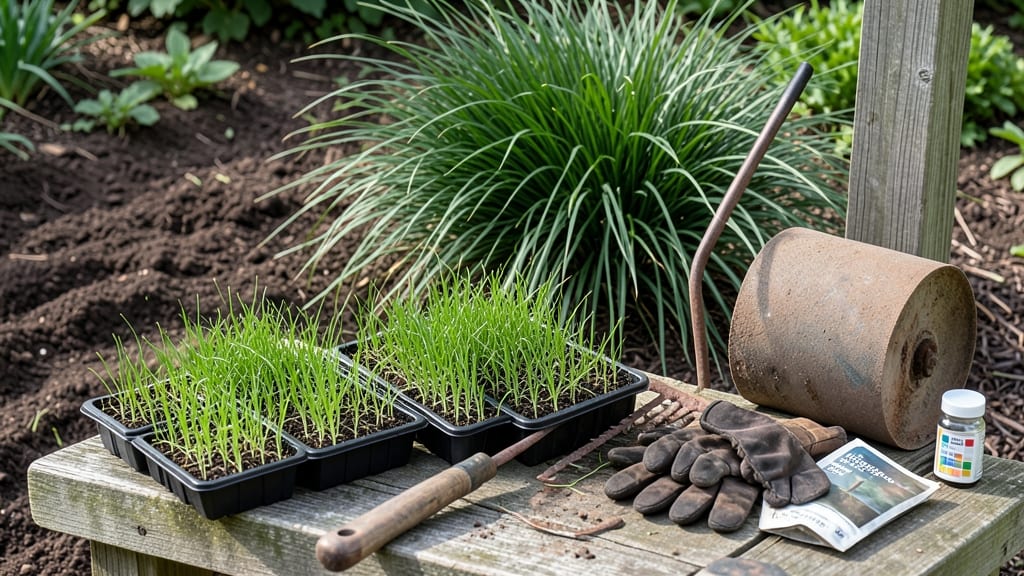
Planting fescue in Kansas at the wrong time can mean the difference between a lush, drought-resistant lawn and years of patchy, struggling grass. The perfect window isn't just about avoiding frost—it's about giving those roots 6-8 weeks to take hold before winter sets in.
For Kansas gardeners in zones 5b-7a, timing matters more than you might think. The ideal moment arrives in late summer to early fall, when soil stays warm enough to encourage deep root growth before the first frost.
But don't worry if you miss that window—early spring planting still works, as long as you prepare your soil properly.
Why does this timing work so well? Fescue thrives when it can establish strong roots before winter dormancy kicks in. In Kansas, that means planting between August and September for fall establishment or in March or April for spring.
The key is avoiding the heat of summer or the chill of late fall.
Whether you're seeding a new lawn or overseeding an existing one, getting this right will save you time, money, and frustration. Let's break down exactly when and how to plant for the best results in your specific Kansas region.
Kansas fescue planting windows by region: exact weeks before last frost
Planting fescue grass in Kansas depends heavily on your USDA zone and last frost date. The ideal window is 4-6 weeks before frost—this gives roots time to establish before winter dormancy.
For most of Kansas (zones 5b-7a), that means late August to mid-September. But regional differences matter.
Kansas spans USDA zones 5b to 7a, with western areas (like Garden City) often 1-2 weeks earlier than eastern cities (like Kansas City).
The first frost can hit as early as October 10 in zone 7a or as late as October 20 in zone 5b. Timing your planting ensures your fescue roots have 6-8 weeks to grow before winter.
Here’s how to adjust your planting schedule based on Kansas’ microclimates and historical frost data:
| Region | USDA Zone | Last Frost Date | Ideal Planting Window | Notes |
|---|---|---|---|---|
| Kansas City | 6a | April 15 | Late August - Early September | Humid summers; watch for fungal diseases. |
| Wichita | 6b | April 10 | Mid-August - Late August | Drier climate; needs consistent watering. |
| Topeka | 5b | April 20 | Early September - Mid-September | Cooler nights; slower root growth. |
| Western KS (Garden City) | 7a | April 1 | Late July - Early August | Hotter summers; plant early to avoid heat stress. |
If you miss the fall window, early spring (March to early April) is your second-best option. However, spring planting risks weed competition and drought stress as temperatures rise. For overseeding existing lawns, fall remains superior—fescue thrives in cooler weather and establishes faster.
Kansas’ clay-heavy soils can delay root growth, so amend with compost or sand before planting. Aim for 60-70°F soil temperatures—use a soil thermometer to confirm. In western Kansas, where soils warm faster, you can plant 1-2 weeks earlier than eastern regions.
Pro tip: Check your local cooperative extension service for updated frost dates. Kansas State University’s weather station data is a goldmine for microclimate adjustments. For example, higher elevations (like near Cherokee County) may have 10°F cooler nights, delaying planting by 1-2 weeks.
For new lawns, plant seeds or sod in the ideal window and water deeply 2-3 times weekly until roots establish. Overseeding can happen 2-3 weeks earlier since established grass competes less with weeds. Avoid planting in extreme heat (>90°F)—seed viability drops and sprouting slows.
Remember: Fescue in Kansas needs 6-8 weeks of root growth before winter. Plant too late, and your lawn may brown out next spring. Use these regional guidelines to time it perfectly!
How to calculate your perfect planting date using Kansas microclimates
Kansas’ diverse microclimates mean your neighbor’s perfect planting date might not work for you. Elevation, soil warmth, and even nearby water bodies shift frost dates by weeks. Start by checking your USDA zone—most of Kansas falls in 5b-7a—but don’t stop there.
Use the National Weather Service’s frost calendar (or your local Kansas State University Extension office) to pinpoint your last average frost date. For example, Wichita (Zone 7a) typically sees frost by October 10, while Hays (Zone 5b) holds off until October 20.
Plant 6-8 weeks before that date for fall success.
Pro tip: Seed packets often list “days to germination,” but Kansas’ dry winds can delay sprouting by 3-5 days. Add buffer time if your yard is exposed. For example, if germination takes 14 days, plant by September 1 in Zone 7a to avoid winter stress.
For spring planting, wait until March 15 (or after last frost) when soil temperatures stabilize above 50°F. Test with a soil thermometer—cool mornings can fool you! Spring fescue often struggles with Kansas’ erratic April rains, so keep seed moist with light mulch.
Don’t forget local pests: Chinch bugs and grubs thrive in newly planted lawns. Time your planting to avoid peak pest seasons—typically June-August—or use neem oil as a preventive spray after germination.
Track your progress with a planting journal. Note soil temps, rainfall, and germination days to refine next year’s schedule. Over time, you’ll master your microclimate’s quirks—just like the pros at Kansas State’s turf labs.