
Trees
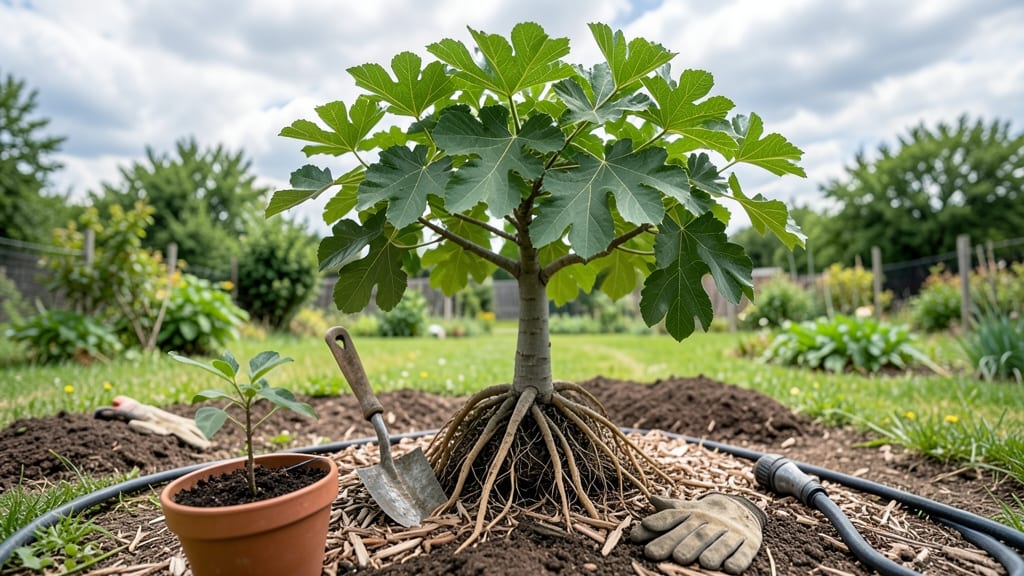
Planting a fig tree 🍈 in Georgia might seem simple—until you realize that getting the timing wrong could mean frost damage or stunted growth. The key to success lies in understanding your local frost dates and soil conditions, especially when you're working with Georgia's USDA zones 7b-8b.
Most gardeners in Georgia know that spring and fall are the ideal windows, but did you know that late February through early April is actually the safest bet for most varieties?
This period gives your fig tree enough time to establish roots before summer heat sets in, while avoiding the risk of late frost.
If you're considering fall planting, August to September offers another great opportunity—just make sure to choose cold-hardy varieties like 'Celeste' or 'Brown Turkey' that can handle Georgia's mild winters. The goal is to give your tree a strong start before the first frost hits around mid-November.
In this guide, I’ll break down the exact planting windows, soil prep tips, and how to protect young trees from unexpected cold snaps. Whether you're planting in containers or directly in the ground, you’ll learn how to set your fig tree up for a bountiful harvest from July to October.
Georgia fig planting deadlines by hardiness Zone (7a-8b)
Georgia’s USDA zones 7a-8b offer perfect conditions for growing fig trees, but timing is everything. Planting too early risks frost damage, while waiting too long can stunt growth. The key is understanding your last frost dates and soil temperature thresholds.
For most of Georgia, the safe planting window runs from late February to early April after the last frost. However, in Zone 8b (like Savannah), you can plant as early as mid-February when nighttime temperatures stay above 40°F (4°C).
In Zone 7a (like Athens), wait until mid-March to avoid late frosts.
Fall planting is also ideal—aim for August to September—when soil stays warm but nights cool. This gives roots time to establish before winter dormancy. Soil temperature should be at least 60°F (15°C) for optimal root growth.
| Zone | Last Frost Date | Safe Planting Window | Soil Temp. Requirement |
|---|---|---|---|
| 7a (Athens, Gainesville) | Mid-March | Late March–Early April | 60°F (15°C) minimum |
| 7b (Atlanta, Macon) | Early March | Late February–Early April | 55°F (13°C) minimum |
| 8a (Columbus, Augusta) | Late February | Mid-February–Early April | 50°F (10°C) minimum |
| 8b (Savannah, Brunswick) | Mid-February | Late January–Early April | 45°F (7°C) minimum |
Microclimates matter! Urban areas like Atlanta can be 5°F (3°C) colder than rural spots due to heat islands. Check local weather stations for 10-day forecasts before planting. A frost cloth can buy you 2-3 extra weeks in Zone 7a if needed.
For container planting, you can push the window earlier by moving pots indoors during cold snaps. Just ensure containers have drainage holes and use a lightweight potting mix to prevent root rot. Containers also warm up faster in spring, giving you a head start.
Pro tip: If you’re in Zone 7a, consider bare-root figs planted in late winter. Their roots establish faster in cooler soil, giving them a growth advantage by summer. Just water deeply after planting to encourage root spread.
Always test your soil drainage before planting—figs hate soggy roots. Amend heavy clay with compost or sand to improve aeration. A simple percolation test (pouring water on soil and timing drainage) will save you from root rot disasters.
Remember: Figs grow fastest when planted in full sun with well-draining soil. In Georgia, that means 6+ hours of sunlight daily and a slightly alkaline pH (6.5-7.5). Adjust your planting site accordingly.
Once planted, mulch around the base with wood chips or straw to retain moisture and regulate soil temperature. This is especially critical in Zone 8b, where summer heat can dry out soil quickly.
Best fig tree varieties for Georgia’s climate & when to plant them
Choosing the right fig tree variety for Georgia is half the battle—especially when you consider cold tolerance and planting timing. Georgia’s USDA zones 7b-8b allow for a wider range of varieties than you might expect, but some thrive better than others in our mild winters and hot summers.
For example, 'Celeste' is a top pick for northern Georgia (zone 7b) because it handles brief cold snaps down to 15°F, while 'Osborn Prolific' excels in southern Georgia (zone 8b) with its heat tolerance and reliable fruit production.
If you’re planting in containers, opt for dwarf varieties like 'Little Miss Figgy'—they’re perfect for patios and balconies and can be moved indoors during unexpected cold snaps.
For in-ground planting, larger varieties like 'Brown Turkey' or 'Desert King' will reward you with heavy fruit loads if given the right care. The key is matching your variety to your microclimate, whether you’re in Atlanta’s cooler hills or Savannah’s humid lowlands.
Spring planting (late February to early April) works best for most varieties, but cold-hardy types like 'Celeste' can even handle late winter planting if soil temperatures stay above 55°F. For fall planting (August to September), focus on varieties that establish roots quickly before winter, such as 'Osborn Prolific' or 'Violette de Bordeaux'. These types are less likely to suffer from root shock before dormancy sets in.
| Variety | Cold Tolerance | Best Planting Window | Planting Style |
|---|---|---|---|
| Celeste | 15°F (hardy for zone 7b) | Late Feb–early April or Aug–Sept | In-ground or container |
| Brown Turkey | 20°F (best for zone 8a-8b) | Late Feb–March or Sept | In-ground (needs space) |
| Osborn Prolific | 25°F (heat-tolerant) | March–April or Aug–Sept | In-ground or container |
| Little Miss Figgy | 20°F (dwarf, movable) | March–April (avoid fall) | Container only |
| Violette de Bordeaux | 18°F (ornamental + fruit) | Late Feb–March or Sept | In-ground (small tree) |
For container gardening, prioritize varieties that stay compact, like 'Little Miss Figgy' or 'Chicago Hardy'. These are ideal for urban gardeners or those with limited space, as they can be moved to protected areas during cold snaps.
Just ensure your containers have drainage holes and use a well-draining potting mix to prevent root rot—a common issue in Georgia’s humid summers.
When planting in-ground, amend your soil with compost and sand to improve drainage, especially if your yard has clay-heavy soil. Figs hate soggy roots, so a slight mound or raised bed can work wonders in areas with poor drainage.
Mulch heavily around the base of your tree (using pine straw or wood chips) to retain moisture and regulate soil temperature—a critical step for Georgia’s sweltering summers.
Pro tip: If you’re planting in Atlanta’s cooler microclimate, err on the side of earlier spring planting (late February) to give your tree a head start before summer heat arrives. In Savannah’s warmer zones, you can push planting into early April without risking frost damage.
Always check your local frost date averages—they can vary by 1-2 weeks even within the same county!