
Flowers
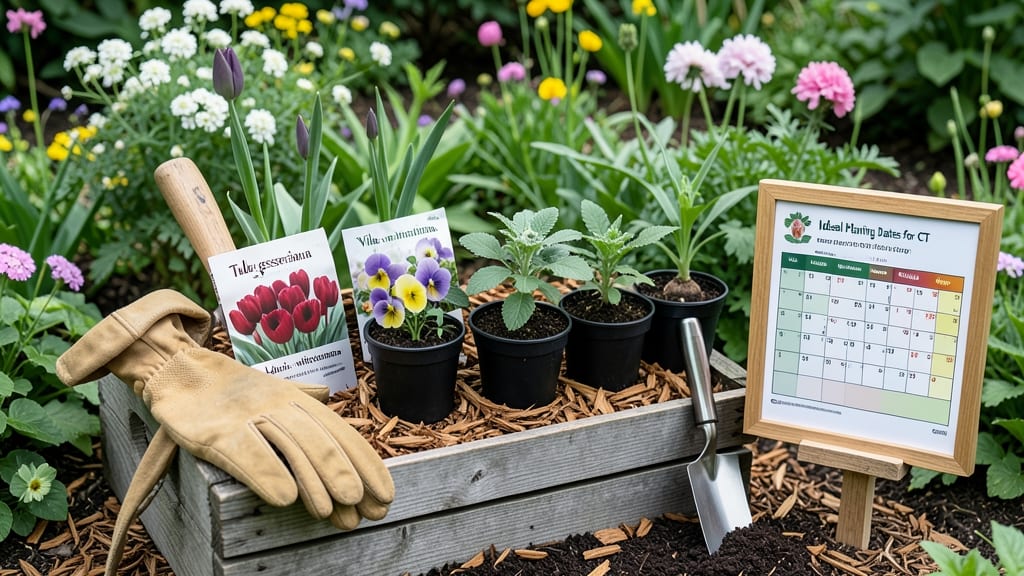
Figuring out when to plant flowers in CT can feel like a high-stakes guessing game—one wrong move, and your dream garden could end up looking more like a science experiment gone wrong.
Connecticut’s Zone 6B climate throws curveballs with last frost dates that shift from late April in coastal areas to early June inland, leaving even seasoned gardeners second-guessing their timing.
But here’s the good news: with the right strategy, you can turn those unpredictable springs into a showstopper garden that blooms from spring to fall. Whether you’re planting delicate annuals, hardy perennials, or vibrant bulbs, knowing the exact window for your specific flowers—and adjusting for microclimates—is the key to success.
I’ll walk you through the frost-free deadlines for CT’s major regions, how to spot the perfect planting moment (soil temp, weather trends, and all), and even how to salvage your garden if Mother Nature throws a late frost your way. No more missed opportunities—just lush, thriving blooms all season long.
Ready to ditch the guesswork? Let’s get your flowers in the ground at the perfect time—so you can spend more time admiring your garden and less time worrying about frost damage.
CT’s last frost dates by region: exact planting timelines for annuals & perennials
Connecticut’s Zone 6B climate means your planting schedule should account for regional differences.
While the average last frost date falls between April 29 and May 15, coastal areas like New Haven often see frost-free conditions a week earlier, while inland spots like Hartford may hold onto frost until early June.
These variations can shift your flower planting window by up to 3 weeks!
For annual flowers like petunias and marigolds, wait until after May 10 in most of CT—planting too early risks frost damage. Cool-season annuals (e.g., pansies, snapdragons) can handle light frosts, so they’re safe as early as April 1 in sheltered spots. Perennials, like coneflowers or black-eyed Susans, thrive when planted in early spring (April) or early fall (September) for root establishment.
Here’s how to use historical frost data to plan your garden. The UConn Climate Center tracks local frost dates—check their records for your town to fine-tune your schedule. For example, Hartford’s last frost averages May 5, while New Haven’s is often April 25.
Coastal areas like Groton can plant 2 weeks earlier than inland farms.
Microclimates play a huge role. Urban heat islands (like downtown Hartford) can delay frost by 5–7 days, while valleys and shaded spots may hold frost longer. Heat-tolerant flowers (e.g., zinnias, sunflowers) can handle these delays, but cool-loving varieties (e.g., asters, dahlias) need precise timing to avoid bolting or wilting.
Use these regional planting deadlines as your guide. For annuals, aim for 2–3 weeks after your area’s last frost. Perennials planted in spring should go in when soil reaches 50°F, while fall-planted perennials need 6–8 weeks before first frost (typically by September 15).
| Region | Avg. Last Frost | Safe Planting Window | Notes |
|---|---|---|---|
| Hartford | May 5 | May 15–June 1 | Urban heat delays frost; use row covers for early starts. |
| New Haven | April 25 | May 1–May 10 | Coastal breezes extend growing season. |
| Groton (Coastal) | April 15 | April 25–May 5 | Plant heat-lovers early; protect from wind. |
| Northern CT (e.g., Torrington) | May 15 | May 25–June 10 | Later frost risk; wait for soil warmth. |
For bulbs like tulips and daffodils, plant in fall (October–November) for spring blooms. These hardy plants need 6–8 weeks to root before winter. Summer-blooming bulbs (e.g., dahlias, gladiolas) go in after last frost, typically May 15–June 1, depending on your region.
Pro tip: Use frost-sensitive flowers (like impatiens or geraniums) as late-May indicators. If they thrive, your garden is officially frost-free! For container gardens, you can push planting dates 1–2 weeks earlier since pots warm up faster. Just move containers indoors if frost threatens.
Always check the UConn Home & Garden Education Center for real-time updates—their frost alerts can save your plants. And if you’re unsure, start with heat-tolerant annuals like zinnias
How to adjust planting dates for CT’s microclimates: urban heat islands vs. coastal breezes
Connecticut’s Zone 6B climate isn’t one-size-fits-all—your neighbor’s perfect planting window might leave your flowers wilting if you’re just a few miles away. Urban areas like Hartford experience heat islands that delay frost by 1-2 weeks, while coastal regions near New Haven enjoy ocean breezes that extend the growing season.
These microclimates can shift your planting dates by up to three weeks, so knowing how to adjust is critical for success.
For example, sun-loving flowers like geraniums and marigolds thrive in Hartford’s delayed frost zones, but the same plants may bolt prematurely in cooler inland areas. Meanwhile, shade-tolerant flowers like impatiens can handle New Haven’s coastal chill better than full-sun varieties.
Understanding these nuances lets you fine-tune your schedule for maximum blooms.
Here’s how to adapt your planting timeline based on your CT microclimate:
| Factor | Urban Areas (Hartford) | Coastal Areas (New Haven) | Inland Areas (Litchfield) |
|---|---|---|---|
| Last Frost Date | Late May | Late April | Early June |
| Best Time for Warm-Season Flowers | May 15–June 1 | April 20–May 10 | June 1–15 |
| Heat-Tolerant Flowers | Petunias, Zinnias, Lantana | Cosmos, Snapdragons, Marigolds | Black-Eyed Susans, Coneflowers |
| Shade-Tolerant Flowers | Impatiens, Begonias, Fuchsias | Bleeding Hearts, Astilbes | Hostas, Hellebores |
| Row Cover Tip | Use to push starts by 2 weeks | Extend season into October | Protect from late frosts |
If you’re in an urban heat island, resist the urge to plant early—your soil may still be too cold. Test it with a soil thermometer (ideal temp: 60°F+ for most flowers).
For coastal areas, lean into the extended season by planting cool-season flowers like pansies in early April, then transition to heat lovers by May.
Pro tip: Container gardening gives you flexibility to move heat-sensitive plants to shadier spots during Hartford’s summer heat waves. And if you’re in inland CT, opt for late-blooming perennials like Russian sage or sedum—they handle delayed starts better than annuals.
Don’t let microclimates stress you out—use them to your advantage! With these adjustments, you’ll enjoy longer bloom seasons and fewer frost surprises. 🌿