
Plants
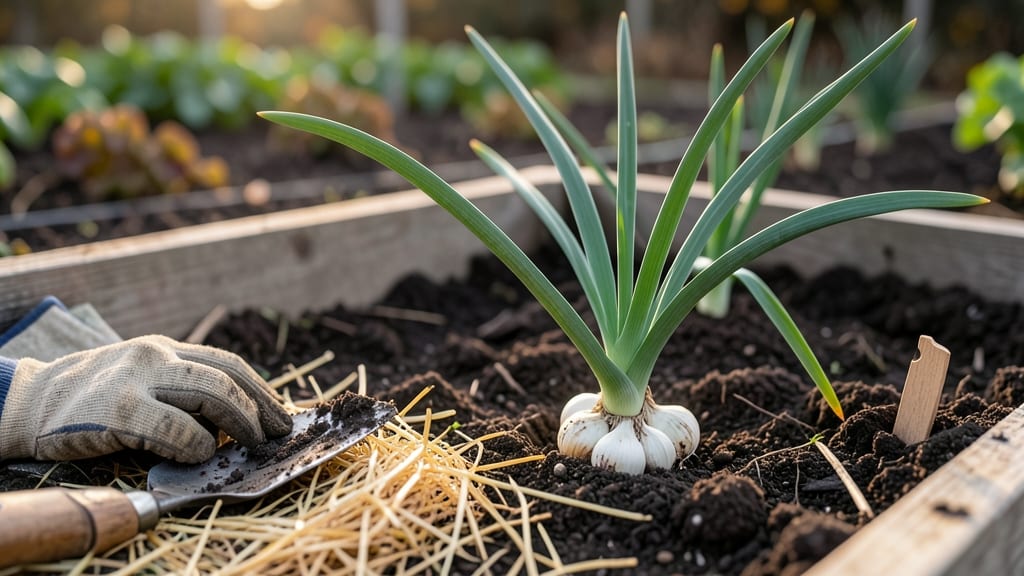
Knowing when to plant garlic in Upstate New York could mean the difference between a bumper crop of flavorful bulbs and wasted cloves. This isn't just about sticking cloves in the ground—it's about working with your region's unique frost patterns and soil conditions to set your garlic up for success.
Upstate New York's 5b-6b climate gives us a narrow window to plant garlic in fall, typically between mid-October and early November. The key is getting those cloves in the ground 4-6 weeks before the first hard frost—usually around mid-October.
This timing lets the roots establish before winter sets in, ensuring robust growth when spring arrives.
But here's where most gardeners go wrong: they assume one-size-fits-all timing works for every microclimate in the region. The Adirondacks, Finger Lakes, and Mohawk Valley each have slightly different frost dates that can shift your planting window by 1-2 weeks.
I'll show you exactly how to adjust your schedule based on where you're gardening.
Whether you're growing garlic for storage, flavor, or both, getting the timing right is the most important factor in your harvest. Let's break down the exact deadlines and adjustments you need to make for your specific location in Upstate New York.
Upstate New York garlic planting deadlines by microclimate Zone
Upstate New York’s diverse microclimates—from the Adirondack Mountains to the Finger Lakes—create unique garlic planting windows. The key is planting 4-6 weeks before the ground freezes, but exact dates vary by zone.
In Zone 5b (common in the Adirondacks), aim for mid-October, while Zone 6b (Finger Lakes, Mohawk Valley) can stretch until early November. Soil temperatures below 40°F signal it’s time to plant.
Garlic needs cold stratification to form bulbs, so don’t rush—wait until daytime highs drop to 50°F and nights near freezing. Check your local USDA frost dates: Syracuse (Zone 6a) averages first frost on October 20, while Plattsburgh (Zone 5a) freezes by October 10.
Plant too early, and cloves rot; too late, and bulbs stay small. Balance is critical.
Here’s how to adjust for your specific area using soil temperature thresholds and regional frost patterns. The Finger Lakes benefit from lake-effect warmth, often allowing a 2-week later window than the Adirondacks. Use a soil thermometer to confirm readiness—50-60°F is ideal for planting.
🌱
| Zone | Avg. First Frost | Planting Window | Soil Temp Threshold | Notes |
|---|---|---|---|---|
| 5b (Adirondacks) | October 10-15 | Mid-October | 50-55°F | Coldest zone; use hardneck varieties. |
| 6a (Mohawk Valley) | October 15-20 | Late October | 55-60°F | Warmer microclimates extend window. |
| 6b (Finger Lakes) | October 20-25 | Early November | 50-60°F | Lake-effect delays frost; ideal for softnecks. |
For maximum bulb size, plant garlic when daytime temps hover around 50°F and nights dip below freezing. This 6-week cold period triggers bulb formation. In the Adirondacks, where winters arrive early, prioritize hardneck varieties like ‘German Red’ or ‘Music’, which thrive in colder climates.
In contrast, the Finger Lakes’ milder winters suit softneck varieties like ‘Silverskin’, perfect for storage.
Use mulch (straw or leaves) to insulate planted cloves once soil freezes. This protects roots while allowing moisture retention. In Zone 5b, apply 4-6 inches of mulch; in Zone 6b, 3-4 inches suffices. Remove mulch in early spring (March) to prevent rot and encourage growth.
Pro tip: Test your soil’s pH before planting—garlic prefers 6.0-7.0. Upstate NY soils often lean acidic; amend with lime if needed. Aim for well-draining soil to prevent clove rot, especially in clay-heavy areas like the Mohawk Valley. Raised beds help if your garden’s drainage is poor.
Missed the fall window? Spring planting is a backup, but yields will be smaller and less flavorful. Plant in early April when soil reaches 40°F, but expect half the bulb size of fall-planted garlic. This method works best for green garlic (harvest young shoots) rather than mature bulbs.
🌿
How to adjust planting dates for early vs late varieties
Upstate New York’s diverse microclimates mean your garlic planting window can shift by weeks—especially when choosing between softneck and hardneck varieties. Softneck types (like Silverskin) store longer but need a slightly earlier start, while hardnecks (such as Music or German Red) thrive with a later push into winter.
Here’s how to time it right for your zone.
For Zone 5b (e.g., Adirondacks), aim to plant hardneck garlic between October 1-15. The goal? Let cloves root before the first hard frost (usually mid-November) but avoid soggy soil from fall rains.
In Zone 6b (Finger Lakes), you’ve got a 2-week buffer—plant October 15-30 for hardnecks or September 20-October 5 for softnecks.
Hardneck vs. Softneck Planting Guide
Hardneck Garlic
- ✅ Best for flavor (scapes + bulbs)
- ✅ Plant Oct 1-30 (Zones 5-6)
- ✅ Needs winter chill (40°F+ for 6+ weeks)
- ❌ Avoid late planting (rot risk before frost)
Softneck Garlic
- ✅ Better storage life (6+ months)
- ✅ Plant Sept 20-Oct 15 (earlier window)
- ✅ Milder winters (Zone 6b preferred)
- ❌ Fewer scapes (harvest only bulbs)
Missed the fall window? Don’t panic. Spring planting is a backup for Zone 6b gardeners (like Mohawk Valley), but yields will be 50% smaller. Plant softneck varieties in early April when soil hits 40°F, using larger cloves (6+ segments) for faster growth. Hardnecks won’t thrive—skip them in spring.
Pro tip: Test soil temperature with a soil thermometer (ideal: 40-50°F). If ground’s below 40°F, wait 1-2 weeks or use black plastic mulch to warm soil faster. Cold soil = slow germination = weak bulbs.
For late bloomers, try ‘German White’ (hardneck) or ‘Artichoke’ (softneck)—both tolerate short seasons and cooler soils. Just plant 2 weeks earlier than your usual deadline to compensate.
Remember: Frost sweetens garlic, but too much moisture after planting is the real enemy. Use raised beds in wet zones (like the Adirondacks) to drain excess water and avoid root rot. 🌱