
Plants
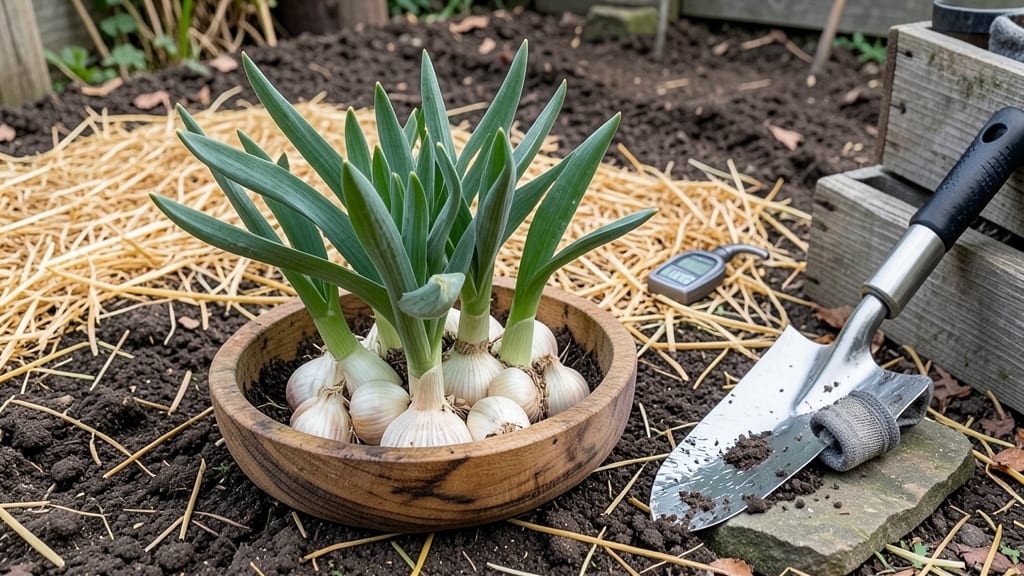
Timing your garlic planting just right in Western North Carolina is the secret to growing those plump, flavorful bulbs you’ve been dreaming of.
With our 6b-7a climate and unpredictable mountain weather, getting those cloves in the ground at the perfect moment—between October and November—can make all the difference between a mediocre harvest and a kitchen-pantry staple.
You might think all garlic thrives the same way, but Western NC’s microclimates—from cooler mountain valleys to warmer Piedmont foothills—demand precision. Plant too early, and frost will damage your cloves; too late, and your bulbs won’t have enough time to mature before summer heat sets in.
Let’s break down the exact window that works for your specific corner of the region, so you can avoid common mistakes and set yourself up for success.
What you’ll discover here isn’t just about dates—it’s about reading your soil, adjusting for elevation, and choosing the right varieties for your zone.
Whether you’re a first-time gardener or a seasoned green thumb, these microclimate-specific tips will help you time your planting like a pro, ensuring your 🧄 harvest is nothing short of perfect by late June or July.
Ready to grow garlic that rivals anything you’ve bought at the store? Let’s dive into the details so you can plant with confidence—and reap the rewards come harvest season.
Optimal planting months for Western NC garlic by microclimate zone
Western North Carolina’s hardiness zones 6b-7a create unique challenges for garlic growers, especially when navigating mountain valleys (like Asheville) versus Piedmont foothills (like Greensboro). The key to success?
Planting garlic 4-6 weeks before the first hard frost, which typically hits mid-October in the mountains and late October in the Piedmont. This timing ensures cloves establish roots before winter dormancy.
For mountain regions (elevations 2,000+ ft), aim for planting between October 1-15. These areas experience earlier frosts and colder soils, so rushing can lead to poor root development. In contrast, Piedmont zones (elevations below 1,500 ft) have a slightly extended window, with October 15-November 1 being ideal.
Transitional zones (like the Blue Ridge Escarpment) fall somewhere in between.
Soil temperature is your best indicator—garlic cloves need 40-50°F soil to sprout. Use a soil thermometer to verify readiness, especially in high-elevation areas where soils cool faster. If temperatures drop below 32°F, mulch heavily with straw or leaves to protect emerging shoots in spring.
Here’s how microclimates impact your planting schedule in Western NC:
| Zone | Elevation | First Frost | Ideal Planting Window | Soil Prep Tip |
|---|---|---|---|---|
| Mountain (6b) | 2,000+ ft | Mid-October | October 1-15 | Amend with compost; soils drain fast |
| Transitional (6b-7a) | 1,500-2,000 ft | Late October | October 10-November 1 | Test pH (6.0-7.0); add lime if needed |
| Piedmont (7a) | Below 1,500 ft | Late October | October 15-November 1 | Loosen clay soils; improve drainage |
If you miss the fall window, don’t despair—spring planting (February-March) is possible in Western NC, though bulbs will be smaller and less flavorful. For spring planting, use hardneck varieties like ‘German White’ or ‘Chesnok Red’, which tolerate cooler soils better than softnecks.
However, prioritize fall planting for maximum yield and bulb size.
Pro tip: Save seed garlic from your best bulbs to adapt to your local microclimate. Over time, you’ll develop varieties that thrive in your specific elevation and frost pattern. Start with 2-3 varieties (e.g., one hardneck, one softneck) to test what works best in your zone.
Remember, soil preparation is just as critical as timing. Work in 2-3 inches of compost or well-rotted manure before planting, and ensure your garden bed has full sun exposure (6+ hours daily). Garlic is low-maintenance once planted, but these early steps set the stage for a high-yield harvest.
For high-elevation gardeners, consider row covers in late winter to protect emerging shoots from late frosts, which can delay growth by weeks. Monitor your garden closely in March-April—this is when garlic really starts to grow, and cold snaps can stall progress.
🌱
How to adjust planting for early vs late varieties in Western NC
Choosing the right garlic variety for Western NC isn’t just about flavor—it’s about matching your planting timeline to your microclimate. The region’s 6b-7a hardiness zones support both hardneck and softneck varieties, but their planting windows differ dramatically.
Hardnecks, like ‘Music’ or ‘Chesnok Red’, thrive when planted in October-November for a robust harvest, while softnecks, such as ‘Silverskin’, can handle a slightly later window in November-December.
Your elevation plays a critical role: Mountain areas (like Asheville or Boone) should plant 4-6 weeks before the first frost (typically late September to early October), while Piedmont zones (like Greensboro) can wait until mid-October to November.
Planting too early risks frost damage to emerging shoots, while late planting may not give bulbs enough time to mature before summer heat.
For hardneck varieties, aim to plant by November 1st in most of Western NC—this ensures bulbs develop fully before summer. Softnecks, however, are more forgiving and can be planted as late as December 1st, though they’ll produce smaller bulbs.
If you’re unsure, opt for ‘German Red’ or ‘Creole’, which are versatile and adapt well to the region’s shorter growing season.
Avoid the common mistake of planting spring garlic in Western NC—it rarely matures fully before summer heat stunts bulb development. Instead, focus on fall planting, which aligns with the region’s natural frost cycles.
If you’re in a warmer Piedmont zone, you might push your planting to early December, but mountain gardeners should stick to October for best results.
Pro tip: Use last frost dates as your guide—plant cloves 4-6 weeks before the average first frost in your area. Check local resources like the NC State Extension for precise frost data tailored to your county.
For example, Asheville’s first frost typically arrives by October 15th, while Greensboro’s can linger until November 1st.
Once planted, mulch heavily with straw or leaves to protect cloves from winter temperature swings. This simple step can mean the difference between a thriving crop and one that struggles to emerge in spring.
With the right variety and timing, your garlic harvest will be the talk of your garden—and your kitchen!