
Plants
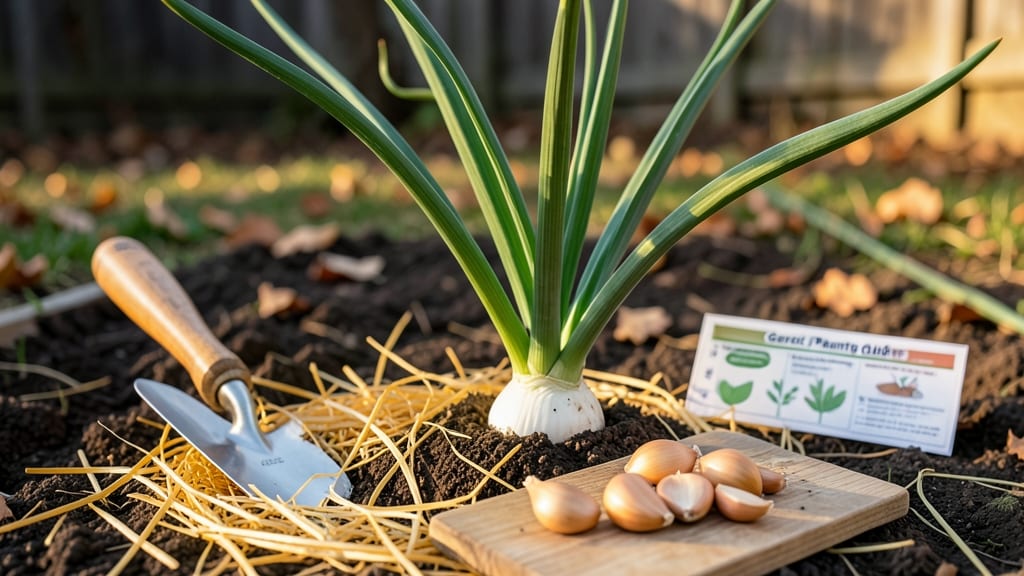
If you're dreaming of a bumper crop of hardneck garlic 🧄 this summer, knowing when to plant garlic in WV is your secret weapon. West Virginia's crisp fall air and USDA Zone 6a climate create perfect conditions—but timing is everything to avoid winter-killed cloves or stunted growth.
Most gardeners in WV swear by planting between mid-October and early November, when soil temperatures drop to 40-50°F. This 4-6 week window before the ground freezes gives garlic roots time to establish while protecting the bulbs through winter.
The key? Planting after the first frost but before the ground hardens—too early, and your cloves might rot; too late, and they won’t mature properly.
Why does this matter? Because hardneck varieties (the ones with those prized scapes!) thrive in WV's climate, but they need cold exposure to form bulbs.
We’ll show you how to read your local frost dates, prep your soil for West Virginia’s clay-heavy conditions, and avoid common mistakes that turn promising garlic beds into disappointing flops.
Ready to grow garlic that rivals the stuff you’d pay $8 a bulb for at the store? Let’s dive into the exact steps to plant garlic in WV this fall—so you can harvest plump, flavorful bulbs by late July or August.
Best fall planting window for garlic in West Virginia
Timing your garlic planting in West Virginia is critical for a successful harvest. The ideal window is between mid-October and early November, when soil temperatures drop to 40-50°F. This gives garlic bulbs time to root before winter dormancy.
For Zone 5-7 regions, aim to plant 4-6 weeks before the first hard frost—usually around October 15 in most of WV.
Hardneck varieties like 'German White' or 'Music' thrive in WV’s climate, while softneck types may struggle with our colder winters. Hardnecks also produce scape shoots in spring, adding extra value. If you miss the fall window, spring planting is possible but yields are often smaller and less reliable.
Adjust your timing based on WV’s microclimates. Mountain regions like Pocahontas County may need earlier planting (late September), while valleys like the Charleston area can wait until early November. Check your local USDA frost dates for precision.
Soil temperature is your best guide. Use a soil thermometer to confirm readings of 40-50°F at 4-inch depth. Planting too early in warm soil can cause premature sprouting, while waiting too long risks frozen ground. Aim for 60°F soil or cooler to prevent sprouting before roots establish.
| Timing Factor | WV-Specific Guideline | Action Step |
|---|---|---|
| Ideal Planting Window | Mid-October to early November | Plant when soil temps reach 40-50°F |
| Soil Temperature | 40-50°F at 4" depth | Use soil thermometer for accuracy |
| Mountain Regions | Late September to mid-October | Plant 1-2 weeks earlier than valleys |
| Valley Regions | Early to mid-November | Wait for cooler temperatures |
| Hardneck Varieties | Best for WV winters | Choose 'German White' or 'Music' |
| Softneck Varieties | Less ideal for WV | Avoid unless using row covers |
If you’re unsure about your local frost dates, consult the West Virginia State Climate Office or use the National Weather Service for your county. For example, Morgantown typically sees its first frost around October 20, while Huntington waits until October 25. Plan accordingly to avoid missed planting windows.
For container gardening in WV, the same timing rules apply. Use pots with drainage holes and place them in a sheltered location to protect from harsh winds. Containers warm up faster than garden beds, so you may need to plant 1-2 weeks later to match soil temperature goals.
Remember that garlic needs 10-12 weeks of cold to form bulbs properly. If you live in a warmer microclimate (like the Potomac Highlands), consider using row covers or straw mulch to extend the cold period. This mimics the natural winter conditions garlic craves for optimal bulb development.
Once planted, maintain a 2-inch mulch layer of straw or leaves to insulate bulbs through winter. This protects against freeze-thaw cycles and keeps soil temperatures stable. Check mulch levels in late winter and add more if needed before spring rains.
By following these WV-specific guidelines, you’ll ensure your garlic gets the perfect start—leading to plump bulbs and bold flavors by next summer. The key is patience and precision in your planting window. 🧄
Best fall planting window for garlic in West Virginia
Timing your garlic planting in WV is like catching a train—miss the window, and you’ll be left waiting another year. In West Virginia’s USDA Zones 5-7, the sweet spot falls between mid-October and early November, when soil temps hover around 40-50°F.
This aligns perfectly with WV’s average first frost date of October 15, giving garlic roots time to anchor before winter sets in.
Here’s the golden rule: Plant 4-6 weeks before the ground freezes. In the northern mountains (Zone 5), aim for late October, while valley regions (Zone 7) can stretch into early November.
Check your local Almanac frost dates—WV’s microclimates vary wildly, with mountain areas freezing earlier than river valleys.
For hardneck varieties (the flavorful, scape-producing kind WV gardeners love), cold exposure is non-negotiable. These bulbs need 60-90 days below 40°F to form properly. Softneck garlic, while less common in WV, can tolerate slightly later plantings but lacks the robust hardiness of hardnecks.
| Zone | Ideal Planting Window | Soil Temp | Key Notes |
|---|---|---|---|
| 5 (Northern Mountains) | Late October | 40-45°F | Coldest zone; prioritize hardnecks |
| 6a (Central WV) | Mid-October to early November | 45-50°F | Best balance for hardnecks |
| 7 (Southern Valleys) | Early to mid-November | 50°F | Later frost dates; watch for early thaws |
Pro tip: Use a soil thermometer to confirm temps. If your garden sits in a frost pocket (common in WV’s valleys), plant 2 weeks earlier than your neighbors. And if you’re tempted to plant in spring, resist! Spring-planted garlic rarely matures fully in WV’s short growing season.
Once you’ve nailed the timing, the next critical step is soil prep. West Virginia’s clay-heavy soils need special attention to ensure proper drainage—something we’ll cover in the next section. But first, let’s address the biggest mistakes WV gardeners make that turn promising garlic beds into busts.