
Plants
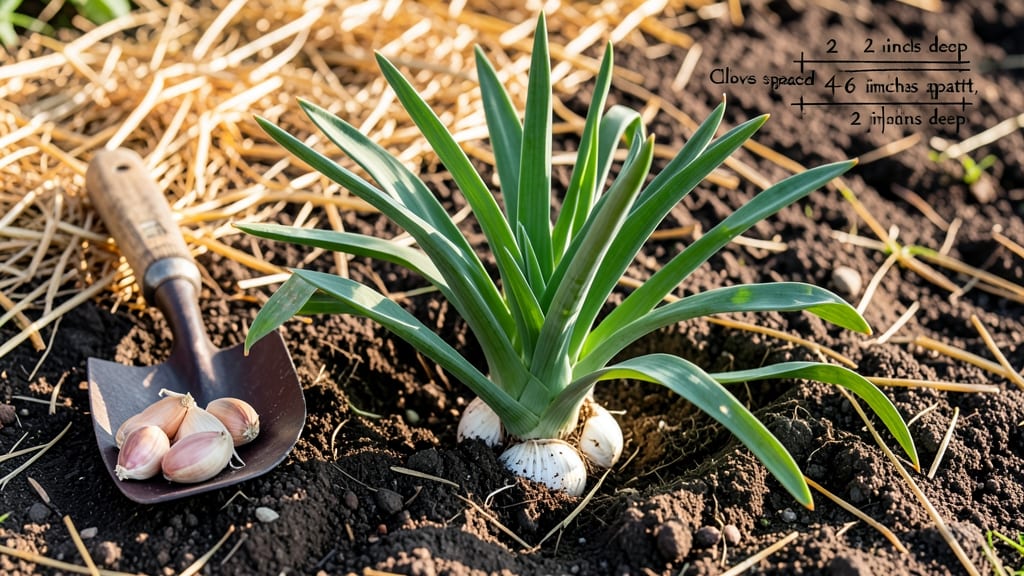
Timing your 🧄 garlic planting in Zone 5a isn't just about getting it in the ground—it's about unlocking those plump, flavorful bulbs you've been dreaming of. Plant too early, and your cloves might rot before winter; too late, and you risk weak growth or even no harvest at all.
The sweet spot? A window so precise it feels like a gardening puzzle.
Most gardeners in Zone 5a swear by planting in October or November, but why?
It all comes down to the 4-8 week rule before your first hard frost—typically around mid-October in 5a. This cold stratification period is what transforms those tiny cloves into robust plants ready to thrive when spring arrives.
Miss this window, and you might end up with garlic that's more decorative than delicious.
Here's the game-changer: your exact planting window depends on local frost dates, not just the calendar. I'll show you how to calculate it using your area's historical data, so you can plant with confidence—no guesswork, just garlic success.
Let's get those cloves in the ground at the perfect moment for your Zone 5a garden.
Whether you're growing hardneck varieties for those prized braids or softnecks for storage, understanding this timing is the difference between a mediocre harvest and one that makes your kitchen smell like a gourmet chef's dream. Ready to master the art of garlic planting in 5a? Let's dive in.
Exact weeks before last frost to plant garlic in Zone 5a
Timing your garlic planting is critical in Zone 5a—aim for 4 to 8 weeks before the first hard frost (typically mid-October to early November). This window ensures the cloves establish roots before winter dormancy, leading to robust bulbs by next summer.
Miss this window, and you risk weak growth or moldy harvests.
Zone 5a’s average last frost date falls around October 15, but this varies by 3 to 5 days depending on microclimates. Check your local USDA frost maps or use a planting calendar app like Old Farmer’s Almanac for precision.
For example, Chicago’s last frost often arrives October 20–25, while Portland’s may be October 10–15.
| Key Factor | Zone 5a Specification | Actionable Tip |
|---|---|---|
| Last Frost Date | October 10–25 | Plant 6–8 weeks before your local frost date. |
| Soil Temperature | Below 50°F (10°C) | Use a soil thermometer to confirm readiness. |
| Planting Window | October 1–November 15 | Avoid planting after November 15—roots won’t establish before freeze. |
| Hardneck vs Softneck | Hardnecks: October 1–15 Softnecks: October 15–November 15 |
Hardnecks need cold stratification—plant earlier. |
For hardneck varieties (like ‘Music’ or ‘German White’), plant October 1–15 to ensure they experience 40–60 days below 40°F (4°C)—critical for scape production. Softnecks (e.g., ‘Silverskin’) are more flexible and can tolerate later plantings up to November 15, though yields may suffer.
Use your local historical frost data to fine-tune timing. For instance, if your area’s frost date shifts earlier by 5 days one year, adjust planting to mid-September. Garlic cloves need 4–6 weeks to root before winter, so don’t wait until the last minute.
If you’re unsure about your frost date, use the “10-day average” rule: Plant when the 10-day forecast shows nighttime temps dropping to 40°F (4°C). This gives roots time to anchor before the ground freezes. For Zone 5a, this often lands in early to mid-October.
Pro tip: Test your soil’s readiness by pushing a clove 2 inches deep—if it stays firm (not mushy), the ground is workable. If it’s still too soft, wait 1–2 weeks. Overworking wet soil compacts it, slowing root growth.
Remember, garlic is a cool-season crop, so it thrives on winter chill. Planting too late (after November 15) risks weak bulbs or even rot if cloves sprout before freezing. Zone 5a’s cold winters are perfect for garlic—leverage them!
For extra insurance, mulch heavily (4–6 inches of straw or leaves) after planting. This insulates the soil, protecting cloves from freeze-thaw cycles and keeping them dormant until spring. Remove mulch in early spring to allow shoots to emerge.
Timing isn’t just about frost dates—it’s also about soil moisture. Plant when soils are cool but not frozen (ideally 50–60°F (10–15°C)). If your Zone 5a autumn is unusually dry, water deeply 1–2 weeks before planting to prep the soil.
Exact weeks before last frost to plant garlic in Zone 5a
In Zone 5a, the golden window for planting garlic is 4-8 weeks before your first hard frost, which typically lands between mid-October and early November. This timing ensures your cloves get the cold stratification they need to develop strong roots before winter dormancy.
For most of Zone 5a, that means planting between October 15th and November 1st, but your exact date depends on local frost patterns.
Why this window? Garlic needs 60-90 days of cold temperatures (below 40°F) to properly vernalize—this process prevents early flowering and builds sturdy bulbs. Plant too early, and your garlic may rot in wet fall soil; too late, and it won’t establish roots before freezing.
The 4-8 week rule balances these risks perfectly for Zone 5a’s climate.
🌱Pro Tip: Check your local frost dates using the USDA Plant Hardiness Zone Map or your local cooperative extension service. For example, in Chicago (Zone 5a), the average first frost is October 15th, so ideal planting would be September 15th–October 1st.
In Boston (Zone 6a), you’d shift that window 2 weeks later.
| Zone 5a Location | Avg First Frost | Ideal Planting Window | Action |
|---|---|---|---|
| Chicago, IL | Oct 15 | Sep 15–Oct 1 | Plant by Oct 1 |
| Minneapolis, MN | Oct 5 | Sep 1–Sep 25 | Plant by Sep 25 |
| Boston, MA | Oct 25 | Oct 1–Oct 15 | Plant by Oct 15 |
| Denver, CO | Oct 10 | Sep 10–Sep 25 | Plant by Sep 25 |
If you’re unsure about your local frost date, use this quick calculation: subtract 6 weeks from your average first frost date. For example, if your frost is October 20th, aim to plant by September 1st.
This method accounts for Zone 5a’s variability—some years frost comes early, others late.
For hardneck varieties (like Music or German White), stick to this window rigidly—they require cold stratification for scape production. Softneck varieties (like Silverskin) are more forgiving but still thrive with early planting. Even a 1-week delay can reduce bulb size by 20-30%, so don’t wait!
Once you’ve nailed your planting window, focus on soil prep—garlic hates soggy soil. Amend your bed with compost and ensure good drainage to prevent rot. Plant cloves 2 inches deep, 4-6 inches apart, and pointy-end up for best results.
With this timing, you’ll harvest plump, flavorful bulbs by mid-summer—worth the patience!