
Planting
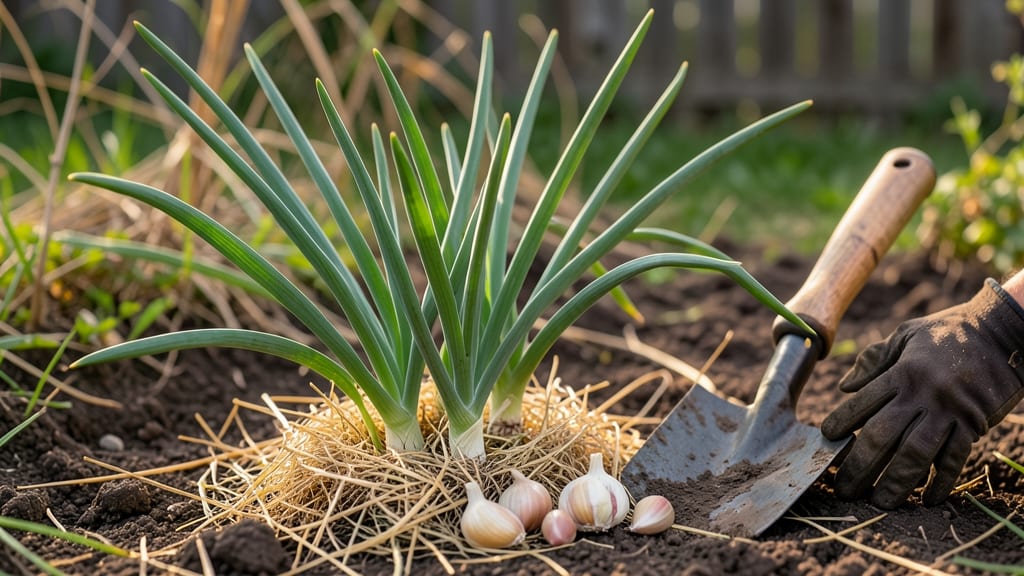
Knowing when to plant garlic in Zone 8 could mean the difference between a kitchen stocked with plump, flavorful bulbs and a sad harvest of tiny, weak cloves. This isn’t just about timing—it’s about giving your 🧄 the perfect head start to develop strong roots before winter sets in.
In Zone 8, where temperatures can swing dramatically between fall and spring, planting too early or too late throws off the entire growth cycle. The sweet spot? Aim for late October to early November, when soil temps dip below 70°F but before the first hard frost locks the ground.
This window ensures your garlic gets the chill it needs to form robust bulbs.
But here’s the catch: not all of Zone 8 is created equal. Coastal areas might have milder winters, while inland spots could face earlier frosts. We’ll break down how to adjust your schedule based on your microclimate—so you’re not guessing whether your garlic will thrive or wither.
Once you’ve got the timing right, the real magic happens in the soil. I’ll share my go-to tips for prepping your beds, mulching strategies, and what to watch for as your garlic overwinters. Trust me, these small tweaks make a huge difference in bulb size and flavor by harvest time.
Optimal fall planting deadlines for Zone 8 garlic
In Zone 8, garlic thrives when planted in fall—specifically between mid-October and early November. This timing lets garlic develop strong roots before winter dormancy, which is key for large bulbs. The soil temperature should be below 70°F (21°C) but not yet freezing—ideal conditions for root establishment.
Hardneck varieties like ‘Silverskin’ or ‘Rocambole’ are perfect for Zone 8’s cooler winters, while softneck types like ‘Artichoke’ tolerate milder winters better. Both types need 4-6 weeks before the first hard frost to root properly.
Coastal areas may extend planting into early December, but inland regions should plant by late November.
🌱
| Zone 8 Planting Window | Soil Temp Requirement | Best Varieties |
|---|---|---|
| Mid-October | 60-70°F (15-21°C) | Hardneck: 'Silverskin', 'Rocambole' |
| Early November | 50-60°F (10-15°C) | Softneck: 'Artichoke', 'California Early' |
| Late November (coastal) | 45-55°F (7-13°C) | All varieties tolerate milder winters |
If you miss the fall window, early spring planting (February-March) is possible, but bulbs will be smaller. The goal is to give garlic 8-10 weeks of cool weather before temperatures rise above 75°F (24°C)—this triggers bulb formation. In Zone 8, spring planting risks heat stress before harvest.
For hardneck garlic, aim for planting by November 1st in most of Zone 8. Softnecks, which store longer, can handle slightly later dates. Always check your local USDA frost dates—Zone 8’s first frost typically arrives by mid-December, so plan accordingly.
Pro tip: Use a soil thermometer to confirm temperatures. Garlic cloves need 40-50°F (4-10°C) soil temps to root successfully. If your soil is still warm in November, wait a few weeks or mulch heavily to cool it down.
🌿
In Zone 8b (warmer microclimates like Phoenix or San Diego), plant by October 15th to avoid winter heat spikes. In Zone 8a (cooler areas like Denver or Albuquerque), extend planting to November 10th. Adjust for elevation—higher altitudes (5,000+ ft) may need earlier planting.
Always choose large, firm cloves for planting. Smaller cloves yield smaller bulbs. Break apart garlic heads just before planting—never store separated cloves longer than a week, as they dry out quickly. Plant 2 inches deep and 4-6 inches apart in well-draining soil with compost mixed in.
✂️
Optimal fall planting deadlines for Zone 8 garlic
Garlic thrives in Zone 8’s mild winters, but timing is everything. Plant too early, and roots may rot in wet soil; too late, and bulbs won’t mature before summer heat.
The ideal window is 4-6 weeks before your first hard frost, typically mid-October to early November in most of Zone 8. This gives garlic enough time to establish strong roots before winter dormancy.
Soil temperature is your best guide: aim for 40-50°F (4-10°C) at planting depth. Cool soil signals garlic to focus on root growth rather than leafy tops. Use a soil thermometer to check—if temps drop below 40°F (4°C), wait a week or two.
Hardneck varieties (like ‘Silverskin’ or ‘Rock’) handle cold better than softnecks (like ‘Artichoke’), so adjust timing based on your choice.
Zone 8 Garlic Planting Timeline
| Month | Soil Temp | Action | Notes |
|---|---|---|---|
| September | 60-70°F (15-21°C) | Prepare beds | Add compost; avoid fresh manure |
| October | 50-60°F (10-15°C) | Plant cloves | Hardnecks: Oct 1-15; Softnecks: Oct 15-30 |
| November | 40-50°F (4-10°C) | Mulch heavily | 4-6 inches of straw; protect from rain |
| December | 35-45°F (2-7°C) | Monitor mulch | Add more if temps drop below 30°F (-1°C) |
Regional differences matter in Zone 8. Coastal areas (like San Diego) can plant garlic as late as mid-November thanks to milder winters, while inland valleys (like Phoenix) may need to plant by early October to avoid summer heat stress.
Check your average first frost date—most Zone 8 areas experience it between December 15 and January 15. For example, Los Angeles averages frost around January 10, giving you a longer window than El Paso, which may frost by December 1.
Hardneck varieties like ‘German White’ or ‘Music’ are ideal for Zone 8’s cooler winters, producing larger cloves and scape shoots (useful in cooking). Softnecks like ‘California Early’ store better but need slightly later planting.
If you’re unsure, test soil moisture before planting—garlic hates soggy soil. Amend heavy clay with compost or sand to improve drainage.
Don’t stress if you miss the fall window! Zone 8 gardeners can also plant garlic in early spring (February-March), though bulbs will be smaller. Spring-planted garlic focuses on leaf growth rather than bulb development, so it’s best for green garlic or scapes.
For maximum yield, stick to fall planting—just time it right for your microclimate.
Pro tip: Save cloves from your best bulbs for next year’s planting. Store them in a cool, dry place (like a mesh bag in the fridge) until fall. This ensures genetic consistency and stronger plants year after year.