
Plants
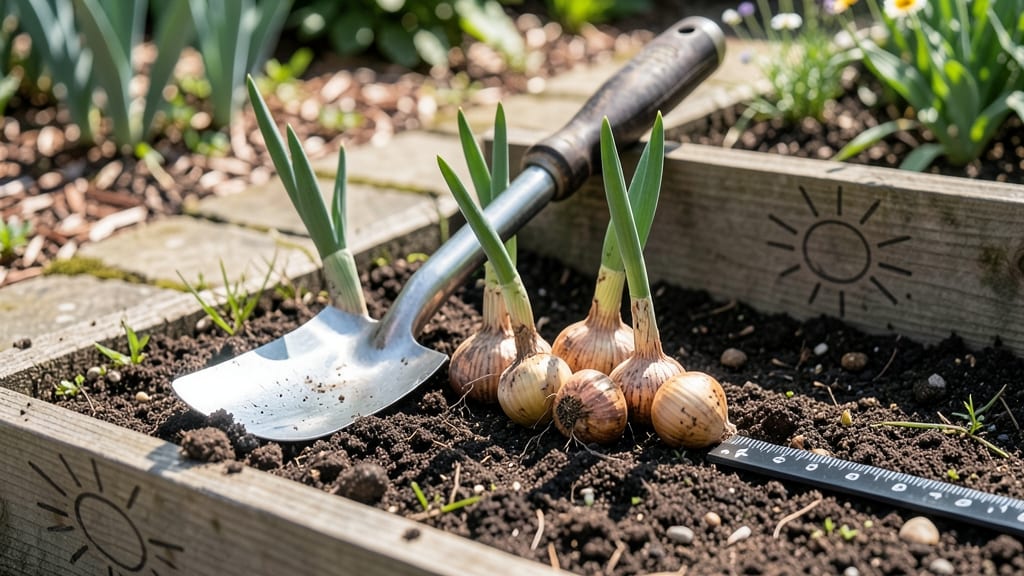
Timing when to plant gladiolus bulbs in Colorado could mean the difference between a garden bursting with 🌸 and empty soil by summer.
Since we’re in USDA zones 5-7, getting those corms in the ground at the right moment—after the last frost but before the heat peaks—is the key to vibrant blooms by August.
Most gardeners in Colorado wait until mid-April to early May, but that’s not a one-size-fits-all rule. Elevation plays a huge role: Front Range areas like Denver can plant earlier, while high plains regions might need to hold off until late May.
The secret? Soil temperature—wait until it hits 60°F consistently.
I’ve learned the hard way that planting too early risks frost damage, while waiting too long can stunt growth. The good news? With a few simple adjustments—like checking your local frost dates or soil warmth—you can nail the perfect window for your specific corner of Colorado.
Ready to transform your garden? I’ll walk you through the exact week-by-week schedule for each zone, plus soil prep tips and care tricks to ensure your gladiolus thrives all season long. Let’s get those corms in the ground the right way!
Colorado gladiolus planting calendar by USDA Zone (4-7) with exact weeks
Colorado's diverse elevations and USDA zones 4-7 create unique planting windows for gladiolus bulbs. The key is planting when soil warms to 60°F+ and after the last frost—typically between April 15 and May 15, depending on your location.
Front Range cities like Denver (Zone 5) can start earlier, while high-altitude areas (Zone 4) may need to wait until late May.
Gladiolus corms thrive with 120-150 frost-free days to mature, so timing ensures vibrant summer blooms. Plant too early, and tender shoots freeze; too late, and heat stress stunts growth. Let's break down the exact weeks for each zone to maximize your gladiolus success rate.
| USDA Zone | Planting Window | Soil Temp Threshold | Last Frost Date | Example Cities |
|---|---|---|---|---|
| 4 (High Altitude) | Late May - Early June | 60°F+ (after May 20) | June 1 | Steamboat Springs, Leadville |
| 5 (Front Range) | Mid-April - Early May | 60°F+ (after April 15) | April 20 | Denver, Fort Collins |
| 6 (Southeast Plains) | Early April - Mid-April | 60°F+ (after April 1) | March 25 | Colorado Springs, Pueblo |
| 7 (Lower Elevations) | Late March - Early April | 60°F+ (after March 15) | March 10 | Alamosa, Trinidad |
For Zone 5 (Denver), aim for April 15-30 when daytime temps consistently stay above 50°F. Use a soil thermometer to confirm 60°F+ at 4-inch depth—this signals it's safe to plant. In Zone 4 areas, wait until May 20+ to avoid frost damage to emerging shoots.
Colorado's elevation variations mean your neighbor's perfect timing may not work for you. For example, Colorado Springs (Zone 6) can plant 2-3 weeks earlier than Steamboat Springs (Zone 4). Always check local frost dates from the National Weather Service or Colorado State University Extension for precise guidance.
Pro tip: Use black plastic mulch to warm soil faster in cooler zones. Lay it down 2-3 weeks before planting to create a microclimate that speeds up root establishment. This trick works especially well in Zone 4-5 areas where early planting risks frost.
If you miss the ideal window, don't panic! Gladiolus corms can tolerate light frosts if planted in well-drained soil. For late plantings, choose early-blooming varieties like 'Picasso' or 'Green Gauntlet' to compensate for a shorter growing season.
Remember: Soil temperature matters more than calendar dates. Even if it's May, if your soil hasn't warmed to 60°F, wait another week. Cold soil causes rot and poor root growth, leading to weak stems and fewer blooms.
For container growing, extend your planting season by 2-4 weeks. Pots warm up faster and can be moved to protected microclimates (like against a south-facing wall) to start earlier. Just ensure containers have drainage holes to prevent waterlogged roots.
Track your local conditions with the Almanac's Garden Planner or set phone reminders for your zone's target dates. With this precise timing, you'll enjoy gladiolus blooms from August through September—just in time for Colorado's golden aspens and mountain views!
5 Critical factors that determine perfect gladiolus planting time in Colorado
Colorado’s diverse climate—from the Front Range’s urban heat islands to the high plains’ cooler temperatures—means one-size-fits-all advice won’t work. I’ve planted gladiolus corms for years in Denver (Zone 5) and Colorado Springs (Zone 6), and these five factors make all the difference in timing.
Get them right, and you’ll have vibrant blooms by August.
First, soil temperature is your best friend. Gladiolus corms won’t sprout until the soil hits 60°F (15°C). In Zone 4 (eastern plains), this usually means waiting until late May, while Zone 7 (southwestern Colorado) can plant as early as mid-April.
Use a soil thermometer—trust me, it’s worth it!
Next, elevation adjustments add complexity. For every 1,000 feet above sea level, delay planting by 2-3 weeks. If you’re gardening in Leadville (Zone 5, 10,000 ft), your ideal window shifts to late June—yes, summer!
High-altitude areas also have shorter growing seasons, so choose early-blooming varieties like ‘White Prosperity’.
Don’t overlook last frost dates, which vary wildly across Colorado. Denver’s average last frost is April 15, but Grand Junction’s is March 15. Check your local Almanac’s frost calendar or use Zone 4-7 tools like the National Weather Service for precise data.
Planting too soon risks frost damage to tender shoots.
Another game-changer? Bulb chilling requirements. Gladiolus corms need 8-12 weeks of cold stratification (40-50°F) to break dormancy. If you buy corms in winter, store them in a garage or fridge until your zone’s planting window opens. Skipping this step delays blooms or yields sparse flowers.
Finally, microclimates matter. A south-facing slope warms up faster than a north-facing yard, so adjust your timing accordingly. I once planted corms in my Denver backyard (Zone 5) on April 10—only for a late frost to nip the shoots. Lesson learned: wait until May 1 for safety.
Pro tip: Use row covers if you’re eager to plant early. They protect young shoots from late frosts while letting soil warm naturally. Just remove them once daytime temps stay above 50°F consistently.
When in doubt, err on the side of waiting. Gladiolus corms are tough once established, but frost-killed shoots mean wasted time and money. Mark your calendar for May 1 in Zone 5 and April 15 in Zone 7, then adjust based on your local conditions.
Your summer garden will thank you!