
Plants
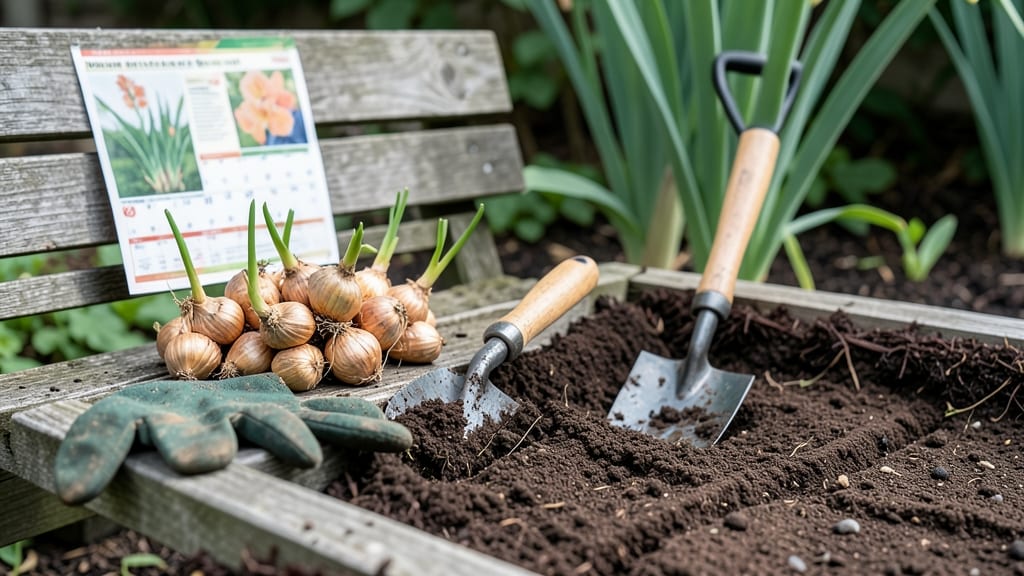
Knowing when to plant gladiolus bulbs in Wisconsin can mean the difference between a garden bursting with showstopping 🌸 blooms and bulbs that never make it past spring.
Wisconsin’s frosty reputation makes timing critical—plant too early, and frost will kill your tender starts; wait too long, and you’ll miss the prime growing window entirely.
Most gardeners in USDA zones 4b-6a should aim for late April to early June, but those dates can shift based on your exact location and last-frost averages.
The key is waiting until soil temperatures consistently stay above 60°F, signaling it’s safe for those delicate bulbs to go in the ground.
I’ll walk you through the exact frost-free deadlines for zones 5a and 5b, plus how to spot when your garden is truly ready—because calendar dates alone won’t cut it. Let’s make sure your gladiolus get the perfect start for a summer of vibrant color.
Whether you’re a first-time gardener or a seasoned pro, these insights will help you avoid common mistakes and maximize your blooms. Ready to transform your garden? Let’s dive into the details.
Wisconsin gladiolus planting deadlines by Zone 5a vs 5b (with frost risk charts)
Wisconsin’s USDA Zones 5a and 5b have distinct frost-free windows that determine when you can safely plant gladiolus bulbs. In Zone 5a (northern WI), the average last frost date is May 15, while Zone 5b (southern WI) typically sees its last frost around May 1.
Planting too early risks frost damage, but waiting too long can delay blooms.
Gladiolus bulbs thrive when soil temperatures reach at least 60°F—a critical threshold for root growth. In Wisconsin, this usually aligns with late April to early June, but Memorial Day (May 25-28) is a safer benchmark for most gardeners.
Southern WI gardeners can start as early as mid-April, while northern WI should wait until after May 15.
Historical frost data shows that late spring frosts can occur as late as June 1 in Zone 5a, so always check your local frost-free date using the National Weather Service or Old Farmer’s Almanac. For container gardening, you can plant 2-3 weeks earlier since pots warm up faster.
Here’s a quick reference for Wisconsin’s gladiolus planting windows by zone, including soil temperature thresholds and frost risk periods:
Pro tip: Use a soil thermometer to confirm soil temps before planting. If your garden soil is still below 60°F by Memorial Day, wait another 1-2 weeks—gladiolus bulbs won’t sprout until conditions are ideal. For extended blooms, stagger plantings every 2 weeks from late May to early June.
In Zone 5a, gardeners in cities like Green Bay or Wausau should err on the side of caution and wait until after May 20, while Zone 5b areas like Madison or Milwaukee can plant as early as mid-April if using black plastic mulch to warm the soil faster.
Always monitor weekly forecasts for frost warnings in late spring.
For container gardening, start bulbs indoors in late March (Zone 5b) or early April (Zone 5a) using 6-inch pots with well-draining soil. Transplant outdoors after the last frost, but keep containers mobile to move them indoors if nighttime temps drop below 50°F.
Remember: Gladiolus bulbs planted too early risk frost heave (bulbs pushing out of soil) or rot, while late plantings may produce shorter stems and fewer blooms. Aim for 6-8 weeks before your first fall frost to ensure full blooming cycles before winter sets in.
🌸
5 Critical signs your Wisconsin garden is ready for gladiolus bulbs (beyond calendar dates)
Relying on calendar dates alone won’t guarantee success—Wisconsin’s unpredictable spring weather means you need field-ready indicators to confirm your garden is truly prepared for gladiolus bulbs. While soil temperatures and frost-free dates provide a baseline, these 5 real-world signs will help you make the final call with confidence.
First, check if your soil temperature consistently stays above 60°F for at least 5 days in a row. This is the gold standard for gladiolus bulbs, as cooler soil can stunt root growth or trigger rot.
Use a soil thermometer (available for under $10) to test 2-3 inches deep—the depth where gladiolus roots will establish.
Next, observe your neighboring plants as natural barometers. When peas or beans begin flowering, it’s a strong signal that your garden has warmed enough for gladiolus. These legumes thrive in cooler soil and act as living thermometers for your microclimate.
If your tomato seedlings are already 6 inches tall, you’re likely in the clear for planting.
🌱
Don’t overlook the power of black plastic mulch—this simple tool can create a warmer microclimate and extend your planting window by 1-2 weeks. Lay it down 1-2 weeks before planting to accelerate soil warming.
If you’re in Zone 5a and still seeing nighttime lows below 45°F, consider using row covers for added protection after planting.
Finally, always check the 10-day forecast for frost warnings. Even after meeting all other criteria, a late-May frost (not uncommon in northern WI) can devastate newly planted bulbs. If frost is predicted within 48 hours, delay planting until conditions stabilize.
For container gardeners, this flexibility is a major advantage—you can move pots indoors if needed.
Pro tip: If you’re staggering plantings for extended blooms, start with 1/3 of your bulbs when the first signs appear, then plant the remaining 2/3 every 2 weeks. This ensures continuous color from July through September, regardless of Wisconsin’s whimsical weather patterns.
🌿