
Plants
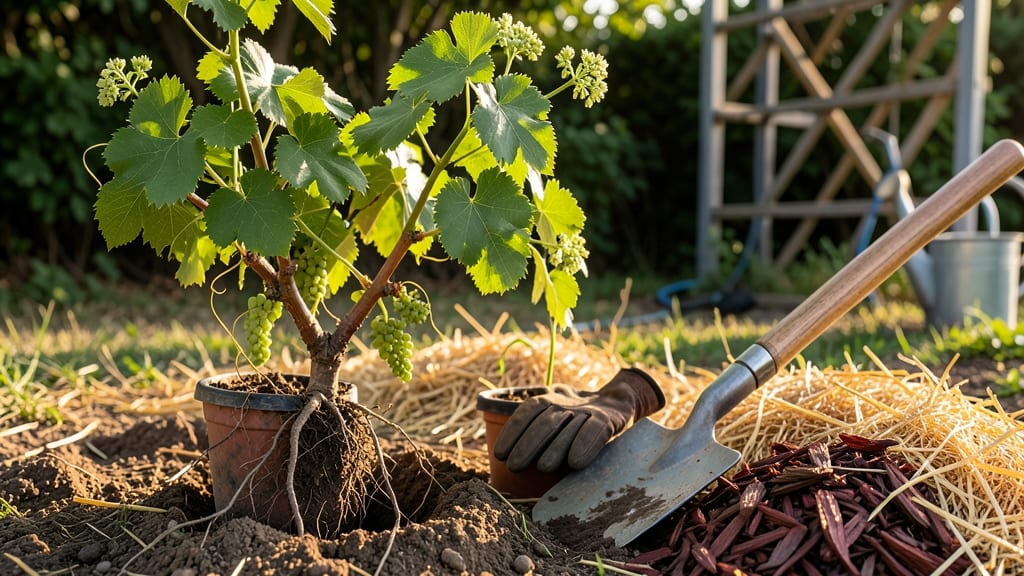
If you've ever dreamed of planting grapes in Florida at the right time, timing is everything—and getting it wrong could mean wasted effort or stunted vines. Unlike cooler climates, Florida's frost-free zones demand a different approach, where winter planting unlocks the best success for both cold-hardy and heat-loving varieties.
The ideal window for planting grapes in Florida stretches from November through March, when temperatures are mild and the risk of extreme heat is lowest.
This period gives young vines the perfect head start before Florida's summer intensity kicks in, setting them up for stronger roots and better fruit production.
But here's the catch: not all grape varieties thrive equally in Florida's 9a-11 zones. Some need just a few chill hours to break dormancy, while others can handle the heat year-round.
I'll show you exactly how to match your grape choice to Florida's microclimates—whether you're in the Panhandle or down in Miami.
Ready to avoid common mistakes like planting too early in the heat? Let's dive into the chill-hour secrets that will transform your grape-growing game—no frost worries, just perfect timing for Florida's unique climate.
Best planting months for grapes in Florida by chill-hours
Florida’s frost-free winters and warm climate create ideal conditions for growing grapes—but timing matters. Unlike northern climates, Florida grapes rely on chill-hours (not frost) to break dormancy.
Most Florida varieties need 200-500 chill-hours, with Muscadines thriving in 0-200 chill-hours. Planting outside this window risks poor bud break or heat stress.
For Zone 8 (North Florida), aim for November to February when daytime temps hover between 60-75°F. This window lets roots establish before summer heat arrives. Zone 9-10 (Central/South Florida) can plant as late as March, but avoid April-May unless using shade cloth for young vines.
Here’s how chill-hours dictate your planting schedule:
| Variety Type | Chill-Hours Needed | Best Planting Months | Risk if Planted Late |
|---|---|---|---|
| Muscadine (e.g., 'Scuppernong') | 0-200 | November-March | Heat stress, poor fruit set |
| Vitis vinifera (e.g., 'Thompson Seedless') | 300-500 | November-January | Dormancy failure, weak vines |
| Hybrids (e.g., 'Bluebunch') | 200-400 | November-February | Fungal susceptibility |
Why November-January works best: Cooler temps reduce transplant shock, and humidity drops (lowering fungal risks). Avoid summer planting—young vines can’t handle 90°F+ days without shade.
For container grapes, extend your window to April but use 50% shade cloth until roots establish. Containers dry out faster, so monitor soil moisture daily during summer.
Pro tip: Check your local chill-hour data (e.g., UF/IFAS Extension maps) to fine-tune timing. For example, Jacksonville (Zone 8b) averages 300 chill-hours, while Miami (Zone 11) sees 0-50—so Muscadines thrive there year-round.
If you miss the ideal window, bare-root plants can handle March planting with drip irrigation and mulch. Just expect slower initial growth compared to winter-planted vines.
Remember: Florida’s no-frost rule means vines stay active year-round. This requires consistent watering (even in winter) to prevent bud dehydration during dry spells.
🌱
Best planting months for grapes in Florida by chill-hours
Florida’s frost-free winters make grape growing possible year-round, but timing matters. Unlike northern climates, chill-hours (not frost) determine when to plant. Most Florida grapes need 200-600 chill-hours to break dormancy, while heat-loving varieties thrive with none. Planting outside these windows risks heat stress or poor fruit set.
For Muscadine grapes (Florida’s native variety), aim for November through March—cooler temps help roots establish before summer heat. Vitis vinifera (wine grapes) need slightly cooler starts, so December to February works best. Avoid planting in April-May unless using shade cloth for young vines.
| Variety | Chill-Hours Needed | Best Planting Window | Seasonal Risk |
|---|---|---|---|
| Muscadine (e.g., 'Scuppernong') | 200-400 | November–March | Heat stress if planted late |
| Vitis vinifera (e.g., 'Thompson Seedless') | 400-600 | December–February | Fungal risk in wet springs |
| Heat-Tolerant (e.g., 'Black Spanish') | 0-200 | March–April (with shade) | Slow root growth in summer |
In North Florida (Zone 8a-9a), where occasional light frosts occur, plant December to January to avoid early-morning chills. For Central Florida (Zone 9b-10a), stretch planting to November-February—cooler coastal areas like Miami (Zone 11) can plant year-round, but December-January yields best results.
Skip planting in summer (June-August) unless using drip irrigation and shade cloth. Young vines struggle with 90°F+ temps, leading to leaf scorch and poor root development. Even established vines benefit from a winter start to sync growth with Florida’s dry season (November-April).
Pro tip: Test soil 2 weeks before planting—ideal temps are 60-75°F. Use a soil thermometer to monitor. If temps exceed 80°F, delay planting or use black plastic mulch to cool roots.
For container grapes, adjust timing slightly: February-March works best, as pots heat up faster. Place containers in partial shade during peak afternoons to protect young vines.