
Trees
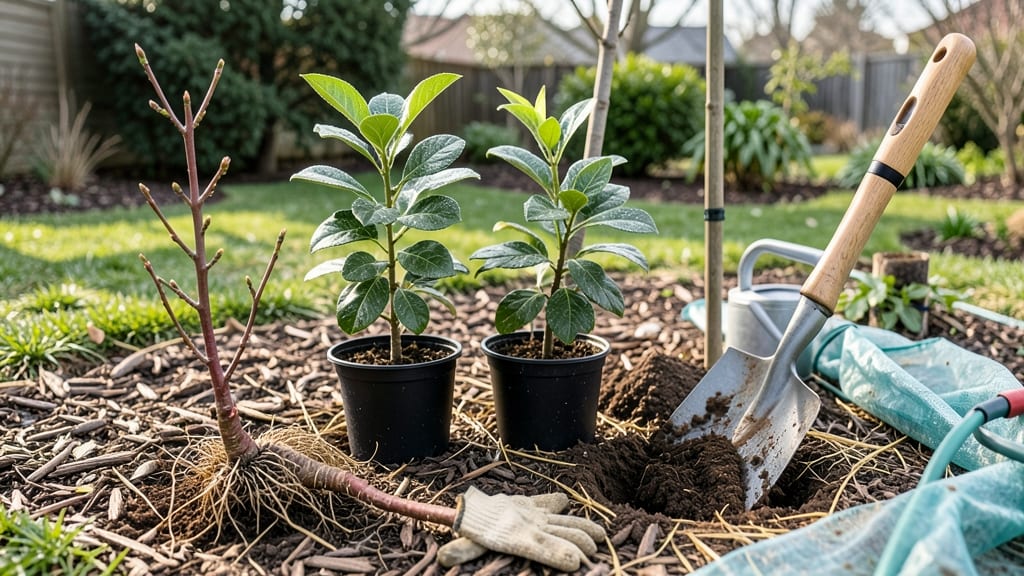
Planting fruit trees at the wrong time in Zone 8 could mean the difference between a bountiful harvest and years of frustration—so getting the timing right is everything for your 🍎 orchard. With mild winters and unpredictable frost patterns, Zone 8 gardeners face unique challenges that require careful planning.
The ideal window for planting fruit trees in Zone 8 is late winter to early spring, but not all varieties thrive on the same schedule. High-chill trees like peaches need cooler temperatures to set fruit, while low-chill types—such as figs or persimmons—can handle warmer spells.
Understanding these differences is key to avoiding common mistakes.
In this guide, I’ll break down the best months to plant based on your specific fruit tree’s needs, plus how to adjust for Zone 8’s microclimates. Whether you’re planting bare-root saplings or container-grown trees, you’ll learn exactly when to dig in for the best results.
Ready to turn your backyard into a productive orchard? Let’s get started with the most important steps to ensure your fruit trees take root—and flourish—this season.
Best planting months for fruit trees in Zone 8 by chill-hour needs
Zone 8’s mild winters offer a unique advantage for fruit tree growers—longer growing seasons and fewer frost risks—but timing still matters. The key factor? Chill hours, which determine whether your peach or apple will bloom and fruit properly.
High-chill varieties (like Elberta peaches) need 300-500+ hours below 45°F, while low-chill types (like figs) thrive with just 100-300 hours. Planting at the wrong time can leave your tree struggling to meet these needs.
For Zone 8’s early microclimates (like coastal areas), the window opens in late January to February. Inland areas with colder pockets should wait until March or early April. The goal?
Plant when soil temperatures hit at least 45°F—roots need warmth to establish, while buds stay dormant until chill requirements are met. This balance ensures your tree doesn’t waste energy blooming too early and risking frost damage.
Here’s the golden rule: Bare-root trees (dormant, cheaper) must go in before buds swell (usually February–March in Zone 8). Container-grown trees (pricier but flexible) can be planted throughout the year, but spring or fall are ideal.
If you’re in a warmer microclimate (e.g., Southern California), even winter planting can work for low-chill varieties like lemon trees.
Now, let’s break it down by fruit type—because not all trees play by the same rules in Zone 8.
Pro tip: If you’re planting bare-root trees, soak the roots in water or a rooting hormone for 1–2 hours before planting. This jumpstarts hydration, critical for Zone 8’s dry spells.
For container-grown trees, amend the planting hole with compost and sand to improve drainage—especially in heavy clay soils common in inland Zone 8.
One common mistake? Planting high-chill varieties too late. If you miss the February–March window, your tree might bloom early in spring, only to get nipped by a late frost (which Zone 8 can still experience, especially in higher elevations).
Always check your local last frost date—most Zone 8 areas see their final frost around March 15, but coastal areas can be frost-free by February 15.
For low-chill varieties like figs or loquats, the window is wider, but soil temperature is the real gatekeeper. Use a soil thermometer—roots need at least 50°F to thrive.
If your soil is still chilly in March, hold off until April. Patience here means stronger roots and better fruit set later.
Finally, consider container planting for flexibility. In Zone 8’s variable microclimates, potted trees let you move citrus indoors during rare cold snaps or shift peach trees to sunnier spots as needed.
Just ensure containers are at least 18 inches deep and have drainage holes—root rot is a silent killer in Zone 8’s humid summers.
🌱
How to adjust planting timing for Zone 8’s microclimates and soil conditions
Zone 8’s diverse microclimates can shift ideal planting windows by weeks—especially when comparing coastal areas to inland regions. Coastal zones like San Diego or Santa Barbara enjoy milder winters, while inland spots near Los Angeles or Phoenix may face occasional frost.
Always check your local last frost date (typically mid-March in Zone 8) before planting.
Soil temperature is another critical factor. For most fruit trees, roots need soil temps above 40°F (4°C). Use a soil thermometer to confirm—planting too early in cold soil can stunt root growth.
In coastal Zone 8, you might plant as early as February, while inland areas should wait until late March to avoid frost damage.
⚠️ Warning: Coastal vs. Inland Risks
Coastal areas risk windburn on young trees, while inland zones face late frost threats. Always plant windbreaks if near ocean breezes and choose low-chill varieties for inland spots.
Avoid planting bare-root trees in December-January—even in Zone 8’s mild winters, cold snaps can damage exposed roots.
For container-grown trees, timing is more flexible—you can plant year-round in Zone 8, but spring (March-April) still offers the best balance of warm soil and moderate rainfall. If planting in summer, prioritize deep watering and shade cloth to reduce transplant shock.
Soil preparation is just as crucial as timing. Amend heavy clay soils with compost or sand to improve drainage, while sandy soils benefit from orgainc matter like peat moss.
A pH test (ideal range: 6.0-7.0) will help you adjust with lime (to raise pH) or sulfur (to lower pH) before planting.
In urban Zone 8 gardens, where microclimates vary block-to-block, observe nearby established fruit trees—their growth patterns can guide your timing. For example, if peach trees in your neighborhood bloom in late February, plant your tree 6-8 weeks before to ensure roots establish before flowering.
Finally, prioritize root establishment over early blooming. Trees planted in late spring (May) may flower the following year, but their fruit yield will be lower. Always aim for 6-8 weeks of root growth before the first frost to maximize success.