
Companion Plants
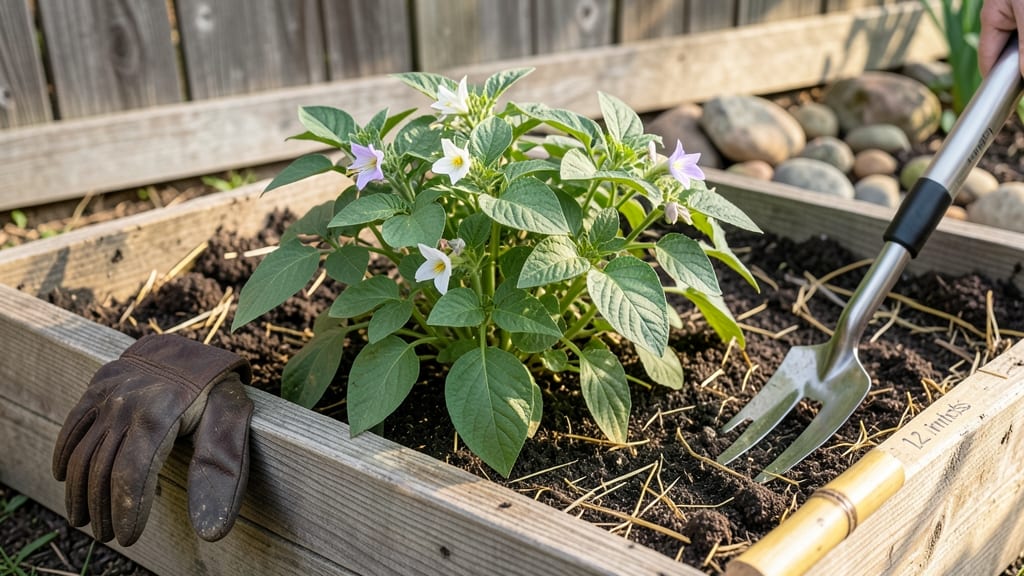
When can I plant potatoes in Zone 6? Timing is the key to avoiding frost bites and maximizing your harvest—because a few weeks too early or late can turn your 🥔 dreams into dirt.
Whether you're in the cooler Appalachian foothills or the slightly warmer Midwest plains, getting the timing right means accounting for soil warmth, frost risk, and even your local microclimate.
I've tested these strategies myself, and the difference between a bountiful harvest and wasted effort often comes down to when you put those seed potatoes in the ground.
In this guide, I’ll walk you through the optimal planting windows for Zone 6, including how to adjust for your specific area’s quirks. You’ll learn what to watch for in your soil, which potato varieties thrive with late or early starts, and how to prepare your garden bed for success.
No more guessing games—just a clear, step-by-step plan to help your potatoes grow strong, no matter where you are in Zone 6. Let’s get those spuds in the ground at the perfect time!
Optimal planting windows for potatoes in Zone 6 (with microclimate adjustments)
In Zone 6, potatoes thrive when planted at the right time—typically between 2-4 weeks before your last frost date and early summer. However, microclimates like elevation or urban heat islands can shift these windows by 2-3 weeks.
For example, high-altitude areas (like Appalachia) often plant 2 weeks earlier than flat Midwest regions.
Most gardeners in Zone 6 aim for late March to mid-April for early varieties, while late-season types can go in until late May. The key is ensuring soil temperatures reach 45–50°F—cold soil delays sprouting and invites rot. Use a soil thermometer to confirm readiness.
Here’s how to adjust for your specific area: Check your frost-free date (average April 15–May 15 in Zone 6) and subtract 3–4 weeks for early planting. For late plantings, shoot for 6–8 weeks before your first frost (usually September 15–October 1).
🌱
| Planting Window | Soil Temp | Frost Risk | Best Varieties |
|---|---|---|---|
| Early Spring (Mar 20–Apr 15) | 45–50°F | High (late frosts) | Yukon Gold, Kennebec |
| Late Spring (Apr 15–May 15) | 50–55°F | Low | Red Pontiac, Fingerlings |
| Early Summer (May 15–Jun 1) | 55–60°F | None | Russian Banana, Purple Viking |
If you’re in a high-elevation area (e.g., 2,000+ ft), plant 2 weeks earlier due to cooler soils. Conversely, urban areas with heat islands can delay planting until mid-April to avoid stressing seedlings. Always monitor local weather forecasts for unexpected frost warnings—a late freeze can devastate young plants.
For successive planting, aim for 3-week intervals between batches to stagger harvests. For example, plant one batch in early April and another in mid-May to extend your harvest through late summer. This works best with short-season varieties like Red LaSoda (60–70 days).
Pro tip: Use black plastic mulch to warm soil faster in cold microclimates. Lay it down 2 weeks before planting to raise soil temps by 5–10°F, accelerating sprouting. Just remove it before flowering to prevent overheating.
🌡️
Remember, Zone 6’s frost dates vary by 2–3 weeks across regions. For precise timing, consult your local cooperative extension service or use tools like the National Oceanic and Atmospheric Administration (NOAA) frost maps. These resources account for historical data and help you fine-tune your schedule.
Finally, if you’re unsure, opt for cold-hardy varieties like Katahdin or Adirondack Blue. These tolerate light frosts and can be planted as early as March in protected microclimates. Pair this with row covers for extra insurance against late-season chills.
Optimal planting windows for potatoes in Zone 6 (with microclimate adjustments)
Zone 6 spans a wide range of climates, from the cooler Appalachian Mountains to the warmer Midwest plains. This diversity means your ideal planting window could vary by 2-4 weeks depending on elevation and local frost patterns.
Most gardeners in Zone 6 aim to plant potatoes when soil temperatures reach 45–50°F, which typically falls between late March and mid-April in most areas.
However, if you're in a higher-elevation area (like West Virginia or the Allegheny Plateau), you might need to wait until mid-to-late April when the ground fully thaws.
Conversely, in warmer microclimates (like southern Ohio or Indiana), you could start as early as early April—just be prepared to protect young plants if late frosts hit.
🌱 Pro Tip: Use a soil thermometer to confirm readiness. Potatoes won’t sprout until soil hits 50°F consistently for a few days. Rushing too early can lead to frost damage or slow growth.
| Zone 6 Region | Optimal Planting Window | Soil Temp Threshold | Microclimate Adjustment |
|---|---|---|---|
| Appalachian Foothills (WV, VA) | Mid-to-late April | 50°F (consistent) | Wait for full thaw; risk of late frost |
| Midwest Plains (OH, IN) | Early-to-mid April | 45–50°F | Soil warms faster; protect seedlings if frost predicted |
| Urban Areas (Chicago, Detroit) | Late March–early April | 45°F (minimum) | City heat islands may allow earlier planting |
For those who miss the spring window, don’t despair—Zone 6 also supports late planting (June) for second-crop potatoes. Choose fast-maturing varieties (like Red LaSoda) and plant in well-drained beds to avoid rot. Just be prepared to harvest before the first frost, usually by mid-October.
🌡️ Key Insight: The last average frost date in Zone 6 is around April 15–May 1, but microclimates (like valleys or south-facing slopes) can push this back by 1–2 weeks. Use local weather data or plant when dandelions bloom—a natural indicator that soil is warming.
Finally, chit potatoes (pre-sprouting in light) can give you a 2-week head start on growth. Place seed potatoes in a cool, bright spot (like a sunny windowsill) 4–6 weeks before planting to encourage early sprouting. This is especially useful if your spring is unpredictable.