
Plants
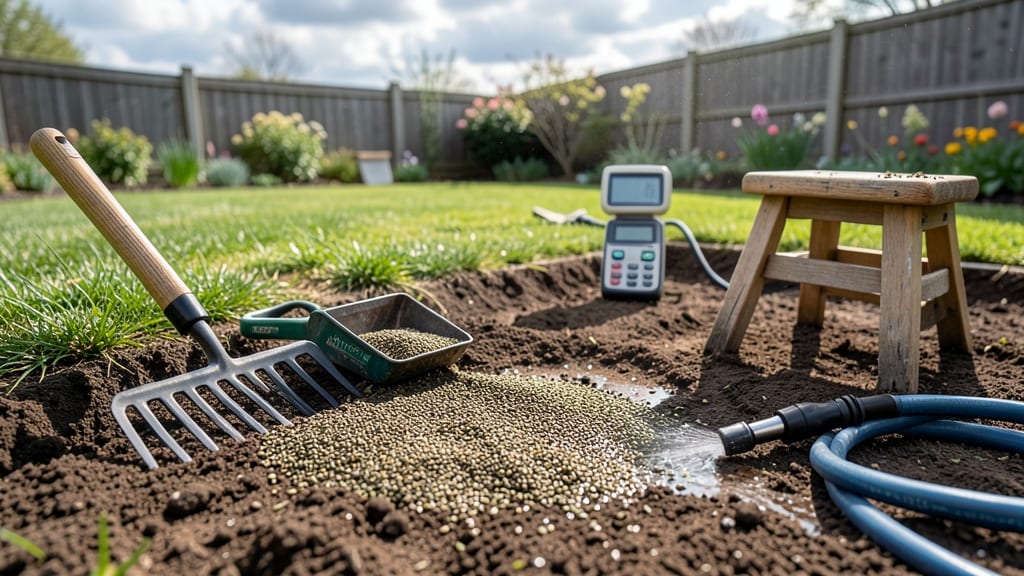
Timing your spring grass seed planting can make or break your lawn’s success—but most people still guess wrong. The key to fast germination isn’t just waiting for warm weather; it’s knowing when your soil is ready to support new 🌱 Grass Seed (Lawn Grass) growth in USDA Zone 6a.
Plant too early, and cold soil will stall your seeds. Too late, and summer heat can dry them out before they take root. I’ll show you exactly when to plant—plus how to check soil temperature like a pro—to give your lawn the fast, even start it deserves.
In this guide, you’ll learn the ideal planting window for spring, how to adjust for your local climate, and the 3 critical mistakes that kill grass seed before it even sprouts. No more wasted seed or patchy results—just a thick, green lawn in 4-12 weeks.
Whether you’re seeding in early spring or waiting for late spring’s warmer soil, these tips will help you time it perfectly. Let’s get your lawn off to the right start—without the guesswork.
Ideal soil temperature ranges for planting grass seed in spring
Getting your grass seed timing right in spring isn't just about the calendar—it's all about soil temperature. Most grass seeds need the ground to warm up to 55–65°F before they'll germinate properly.
Planting too early when the soil is still cold can leave your seeds sitting dormant or even rot in the wet ground. On the flip side, waiting too long risks summer heat drying out your new seedlings before they establish.
Different grass types have different preferences. Cool-season grasses like Kentucky bluegrass and fescue thrive when soil temps are between 55–65°F, while warm-season grasses such as Bermuda and Zoysia prefer 70–75°F or warmer.
Knowing your grass type and local climate is the first step to success—because planting at the wrong temperature can mean the difference between a thick, green lawn and a patchy disappointment.
You might be wondering how to check your soil temperature without fancy equipment. A simple soil thermometer (available for under $10) is your best friend. Stick it 4–6 inches deep—where most grass roots will grow—and wait 10 minutes for an accurate reading.
If it's below your grass type's ideal range, hold off on planting. Patience here pays off with stronger germination.
Regional variations play a huge role too. In colder northern climates (USDA Zones 3–5), you might need to wait until late April or early May, while warmer southern zones (Zones 7–10) could plant as early as February. Even within the same zone, microclimates—like south-facing slopes that warm faster—can shift your ideal planting window by weeks.
Here's a quick rule of thumb: Aim to plant 4–6 weeks before your average last frost date. This gives your grass enough time to establish before summer heat arrives.
For example, if your last frost is typically May 10, planting in early April gives your new lawn a strong head start.
| Grass Type | Ideal Soil Temp (°F) | Best Planting Window | Key Consideration |
|---|---|---|---|
| Cool-Season (Kentucky Bluegrass, Fescue, Ryegrass) | 55–65°F | Early to mid-spring (March–April) | Plant when soil is workable but not freezing |
| Warm-Season (Bermuda, Zoysia, St. Augustine) | 70–75°F | Late spring to early summer (May–June) | Wait until soil is consistently warm |
| Transition Zone (Mix of Cool/Warm) | 60–68°F | April–May (adjust based on local frost dates) | Monitor soil temps weekly for best timing |
Pro tip: If your soil is still too cold but you're eager to plant, consider a lightweight row cover or even a thick layer of straw mulch. These can raise soil temperatures by 5–10°F and create a more favorable environment for germination.
Just remove them once your grass is established to avoid smothering new growth.
Another common mistake is assuming that air temperature equals soil temperature. On a 50°F spring morning, your soil might still be hovering around 40°F—far too cold for most grass seeds.
That's why checking with a thermometer is non-negotiable. Don't let wishful thinking replace real data when it comes to planting timing.
Once you've confirmed your soil is in the ideal range, act fast. Grass seeds have a limited window—typically 7–14 days—where they can germinate before drying out or being overwhelmed by weeds.
After spreading your seed, keep the soil consistently moist (but not soggy) and protect it from heavy foot traffic until you see 2–3 inch tall sprouts. This usually takes 14–21 days depending on your grass type and weather conditions.
For gardeners in USDA Zone 6 (like much of the Midwest), aim for planting between mid-April and early May. This gives your cool-season grasses enough time to establish before summer heat sets in.
If you're in a warmer zone like Zone 8 or 9, you might need to shift your timing to late February or early March to avoid summer drought stress.
Remember: The goal isn't just to plant at the right time, but to create conditions where your grass can thrive from day one.
When you nail the soil temperature, moisture levels, and protection from elements, you're setting your new lawn up for success that will pay off for years to come.
Spring planting mistakes that kill grass seed germination
Most gardeners rush to plant grass seed as soon as spring arrives—only to watch their investment wash away or rot in the cold soil. The #1 mistake is ignoring soil temperature, which should ideally sit between 55–65°F for optimal germination.
Planting too early in chilly soil forces seeds to use precious energy staying dormant instead of sprouting.
Another common pitfall is skipping soil prep. Compacted or rocky soil blocks seed-to-soil contact, while poor drainage leads to waterlogged roots. Even the best grass seed struggles when buried under 1/4-inch of loose soil or less—too deep, and it won’t reach sunlight.
Overwatering is another silent killer. While grass seed needs consistent moisture, soggy soil suffocates roots and invites fungal diseases. Light, frequent watering (like a morning sprinkle) keeps seeds hydrated without drowning them.
Finally, fertilizing too soon burns tender seedlings. Wait until your new lawn reaches 70% coverage before applying starter fertilizer. Early feeding can overload young roots, stunting growth.
To avoid these mistakes, always test soil temperature with a thermometer (or your elbow—if it feels cold, wait!) and prep soil 2–3 weeks before planting. A little patience now saves hours of frustration later.
Remember: The best time to plant isn’t just about the calendar—it’s about soil readiness. Check your local frost dates, monitor temps, and adjust your schedule accordingly for a flawless lawn. 🌱