
Trees
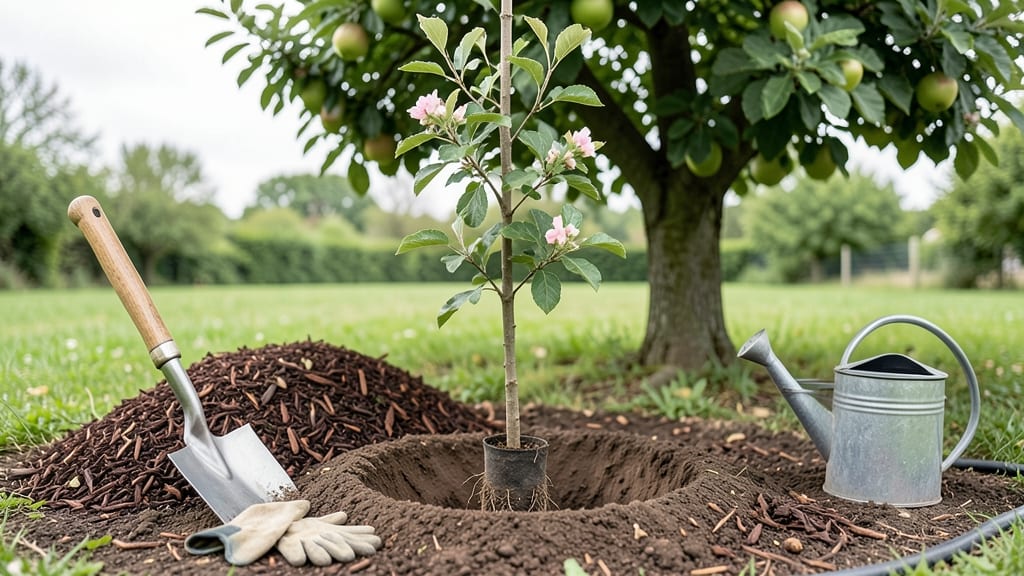
Planting an 🍎 Apple Tree in New Jersey at the wrong time could mean years of waiting for fruit—or worse, a tree that never thrives.
The key to success lies in matching your variety to NJ’s chill-hour zones and timing your planting just right, whether you’re in coastal areas or inland regions.
With USDA zones 6a-7b and frost dates that shift yearly, knowing when to plant apple trees in NJ makes all the difference. Fall planting (October-November) gives roots time to establish before winter, while spring (March-April) works for bare-root trees before buds break.
But get it wrong, and you risk stunted growth or even tree loss.
I’ll break down the best months for your region, which varieties handle NJ’s climate like pros, and how to prep soil for maximum success.
Whether you’re a first-time gardener or a seasoned grower, these insights will help you avoid costly mistakes and set your tree up for a bountiful harvest in just a few years.
Ready to turn your backyard into an orchard? Let’s dive into the exact steps to plant your 🍎 Apple Tree at the perfect time—and keep it thriving through NJ’s unpredictable seasons.
NJ’s chill-hour zones and best apple tree varieties for each
New Jersey’s chill-hour requirements (400–1,000+ hours below 45°F) determine which apple varieties thrive in your region. Coastal areas like Cape May average 600–800 chill hours, while inland zones near the Delaware Water Gap reach 900–1,200 hours.
Choosing the wrong variety can lead to poor flowering or no fruit—so match your tree to your zone!
For southern NJ (zones 7a–7b), opt for low-chill varieties like ‘Liberty’ (500–700 hours) or ‘Akane’ (600–800 hours). These handle coastal warmth while still producing sweet, crisp apples. In central/northern NJ (zones 6a–6b), high-chill favorites like ‘Honeycrisp’ (800–1,000 hours) or ‘McIntosh’ (900+ hours) excel with their reliable yields.
Pro tip: Check Rutgers NJAES chill-hour maps for your exact location. Even a 50-mile drive inland can add 200+ chill hours, making a difference between a thriving tree and a disappointed gardener!
| NJ Region | Chill Hours | Best Varieties | Notes |
|---|---|---|---|
| Coastal (Cape May, Atlantic City) | 600–800 | Liberty, Akane, Fuji | Low-chill, disease-resistant |
| Central (Trenton, Princeton) | 700–900 | Honeycrisp, Gala, Jonagold | Balanced sweet/tart flavor |
| Northern (Sussex, Warren) | 900–1,200+ | McIntosh, Cortland, Empire | Classic NJ favorites |
If you’re unsure about your chill hours, plant a pollinator variety like ‘Golden Delicious’ (700–900 hours) as a backup. Its self-pollinating nature ensures fruit even if neighbors lack compatible trees. Just ensure it gets full sun (6+ hours daily)—shady spots reduce flowering!
For container growing, dwarf varieties like ‘Columnar Honeycrisp’ (500–700 hours) work in urban NJ yards. Their compact size (8–12 ft tall) fits patios while still yielding 50–100 apples per tree annually. Just use a 15-gallon pot with drainage holes and repot every 2–3 years.
Remember: Soil pH (6.0–6.5) matters just as much as chill hours. Test your soil with a Rutgers Soil Test Kit ($20) before planting. Acidic soil (<5.5) stunts root growth, while alkaline soil (>7.0) locks out iron and zinc, causing yellow leaves even with proper watering.
My personal NJ favorite? ‘Zestar!’ (600–800 hours). This red-skinned, crisp apple thrives in coastal zones and stores well for 3–4 months after harvest. Pair it with ‘Liberty’ for cross-pollination—your neighbors will thank you for the extra apples!
Optimal planting months in NJ: fall vs. spring timing
New Jersey’s climate offers two prime windows for planting apple trees: fall (September–November) and spring (March–April). Each season has distinct advantages depending on your tree type—bare-root or container-grown—and your location within NJ’s chill-hour zones. Let’s break down when to plant for maximum success.
Fall planting is ideal for bare-root trees because cooler temperatures reduce transplant shock, allowing roots to establish before winter dormancy. In NJ, aim for October or early November, giving roots 4–6 weeks to settle before the ground freezes.
This timing works especially well for semi-dwarf varieties like Honeycrisp or Fuji, which thrive in NJ’s 6a-7b zones.
Fall Planting: Pros & Cons
Pros
- Cooler soil reduces shock
- Roots establish before dormancy
- Lower risk of drought stress
Cons
- Limited bare-root availability in late fall
- Frost risk if planted too late
- Requires mulching for winter protection
Spring planting (March–April) suits bare-root trees or container-grown varieties, as soil warms and buds prepare to break dormancy. Plant before buds swell—typically by mid-April in most of NJ—to avoid stressing the tree. Container-grown trees can be planted slightly later, even into May, since their roots aren’t exposed.
For coastal NJ (e.g., Cape May, Atlantic City), spring planting may extend into early May due to later frost dates, while inland areas (e.g., Newark, Trenton) should stick to March–early April. Always check Rutgers Cooperative Extension for local frost forecasts to time your planting perfectly.
Regardless of season, prepare your apple tree by amending soil with compost and a balanced fertilizer (10-10-10) to support early root growth. Mulch heavily (3–4 inches) to retain moisture and regulate soil temperature, whether you plant in fall or spring.
Pro tip: If you miss fall or spring, container-grown trees can be planted in early summer, but expect slower initial growth due to heat stress. For best results, align your planting with NJ’s natural cycles—and your tree will reward you with years of homegrown apples.