
Plants
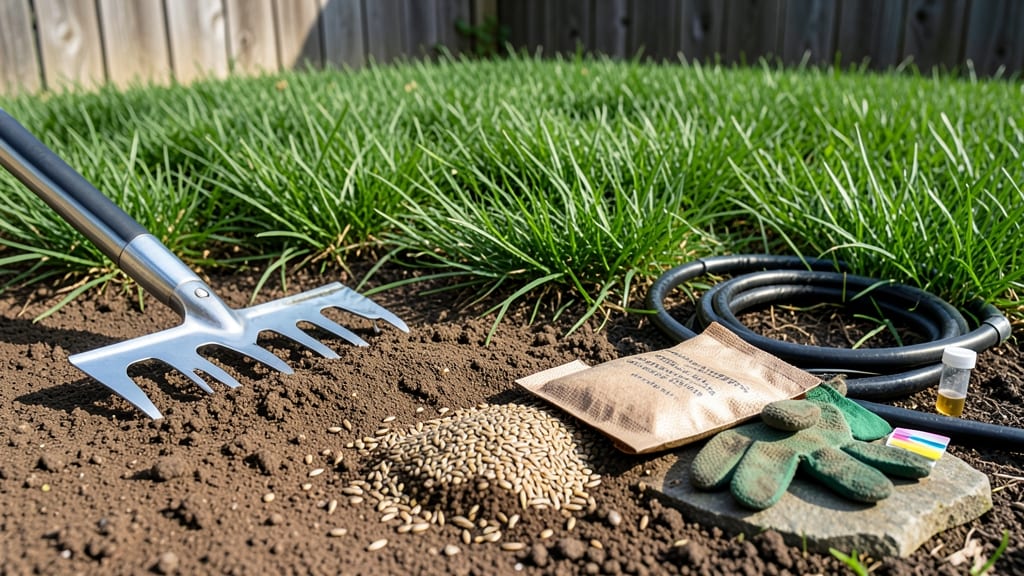
Timing your Bermuda grass seed planting in North Carolina can make or break your lawn's success—especially when coastal humidity clashes with Piedmont heat or mountain coolness. One wrong move, and you're stuck with patchy growth or wasted seed.
But here's the good news: knowing the perfect window for your specific microclimate can transform your yard into a thick, green carpet.
The ideal time to plant 🌱 Bermuda grass in NC isn't just about months—it's about soil temperatures and regional quirks. Coastal areas thrive with late summer plantings, while Piedmont gardens often need an earlier spring start.
Even mountain zones have their own sweet spot. Let me break down exactly when to plant based on where you live in the state.
Most gardeners focus on the calendar, but the real secret lies in soil warmth—aim for at least 65°F before you even think about planting. That means waiting for late August in hotter zones or adjusting for cooler mountain air.
I'll show you how to read your local microclimate like a pro and avoid the costly timing mistakes that trip up even experienced gardeners.
Ready to skip the guesswork? You'll learn how to prep your soil, water like a pro, and choose the right planting window for your NC zone. Let's get that Bermuda grass growing strong—no more frustration, just lush results.
Optimal planting windows for NC microclimates: coastal vs. Piedmont vs. mountains
North Carolina’s diverse geography means your Bermuda grass seed timing should match your region’s unique climate. Coastal areas like Wilmington thrive with earlier planting, while the Piedmont’s Raleigh and Charlotte demand precise heat thresholds.
Mountain regions like Asheville face cooler soils that delay germination. Let’s break down the perfect planting windows for each zone.
For Coastal NC (Zones 8a-8b), aim for mid-April to early May when soil temperatures hit 65°F (18°C). The humidity helps germination, but watch for late spring rains that can wash seeds away.
Inland Piedmont areas (Zones 7a-7b) should wait until late April to mid-May—soil warms slower here, and rushing risks seed rot.
Mountain regions (Zones 6a-7a) like Boone or Waynesville need patience: plant late May to early June when nights stay above 55°F (13°C). Cooler evenings slow growth, so extend your watering schedule to compensate. Pro tip: Use a soil thermometer—Bermuda grass won’t sprout below 60°F (15°C).
| Region | USDA Zone | Best Planting Window | Soil Temp Threshold | Key Risk |
|---|---|---|---|---|
| Coastal (Wilmington, Morehead City) | 8a-8b | Mid-April to early May | 65°F (18°C) | Late rains wash seeds |
| Piedmont (Raleigh, Charlotte) | 7a-7b | Late April to mid-May | 68°F (20°C) | Slow soil warming |
| Mountains (Asheville, Boone) | 6a-7a | Late May to early June | 70°F (21°C) | Cool night temps |
Don’t overlook late summer planting (August)—this works surprisingly well in NC’s heat. Bermuda grass is heat-loving and germinates faster in warm soils. Just ensure consistent moisture for the first 21 days, as summer’s dry spells can stress seedlings.
For Coastal NC, August planting is riskier due to hurricane season, but Piedmont and mountain areas often see better success.
Check your local frost dates: Coastal areas rarely see frost after mid-October, while mountains can drop below freezing by early October. Planting too late risks winter kill—Bermuda grass is not cold-hardy and dies back to roots in frost.
Always plant at least 6-8 weeks before first frost to establish roots.
Use NC State Extension’s Heat Zone Map to confirm your exact zone. For example, Fayetteville (Zone 8a) aligns with Coastal timing, while Greensboro (Zone 7b) follows Piedmont guidelines. Microclimates matter: A south-facing slope warms faster than a north-facing yard—adjust your schedule accordingly.
Pro move: Pre-warm your soil in cooler zones. Lay black plastic mulch 2-3 weeks before planting to raise temperatures by 5-10°F. This trick works wonders in mountain regions where soils stay cool longer. Pair it with a light mulch layer after planting to retain moisture without suffocating seedlings.
Remember: Bermuda grass spreads aggressively once established. If you’re planting near sidewalks or patios, install edging barriers early to contain its growth. Coastal areas may need more frequent mowing due to faster growth in humid conditions.
For best results, align your planting with NC’s rainfall patterns. Aim for 1-1.5 inches of rain weekly during germination. If drought hits, supplement with deep watering (1 inch) 2-3 times per week. Avoid overhead sprinklers—they can spread disease spores in humid Coastal climates.
Finally, test your soil pH before planting. Bermuda grass prefers 6.0-7.0. Sandy Coastal soils often need lime amendments, while clay-heavy Piedmont soils may require sulfur to lower pH. Adjust 4-6 weeks before planting for optimal results.
Optimal planting windows for NC microclimates: coastal vs. Piedmont vs. mountains
North Carolina’s three distinct regions—coastal, Piedmont, and mountain—each demand different timing for Bermuda grass seed planting. The key isn’t just the calendar date but soil temperature and local weather patterns.
For example, coastal areas like Wilmington can plant as late as mid-August, while Asheville’s cooler climate needs an earlier late April start.
Bermuda grass thrives when soil reaches at least 65°F (18°C). Use a soil thermometer to check—this is your green light to plant. Coastal zones hit this mark by late May, Piedmont by mid-May, and mountains by early June.
Planting too early risks seed rot from cool, damp soil, while waiting too long means slower germination in summer heat.
Here’s how each region’s unique climate affects your planting schedule:
| Region | Best Planting Window | Soil Temp Threshold | Key Consideration |
|---|---|---|---|
| Coastal (e.g., Wilmington, Outer Banks) | Mid-August to early September | 65°F+ (humidity-friendly) | High humidity speeds germination |
| Piedmont (e.g., Raleigh, Charlotte) | Late April to mid-May | 65°F+ (warmer than mountains) | Moderate heat and rainfall ideal |
| Mountains (e.g., Asheville, Boone) | Late April to early May | 65°F+ (cooler than Piedmont) | Shorter growing season—plant early! |
For coastal NC, late summer planting (August-September) aligns with natural rainfall patterns, reducing irrigation needs. In contrast, Piedmont gardeners should aim for spring planting (April-May) to capitalize on warmer soil before summer’s peak heat. Mountain regions benefit from early spring starts to maximize the shorter growing season.
Pro tip: Check your local USDA hardiness zone (NC ranges from 6a to 8b). Zone 8b areas (coastal) can push planting into early September, while Zone 6a (mountains) should avoid planting after May 15. Always monitor weekly rainfall—drought conditions may require adjusting your watering schedule post-planting.
Regardless of region, avoid planting during NC’s unpredictable spring transitions (March-April). Cold snaps can stall germination, leaving your seed vulnerable to fungal diseases. Instead, wait for consistent warmth and prepare your soil with compost to improve drainage—critical for Bermuda grass’s drought tolerance.