
Trees
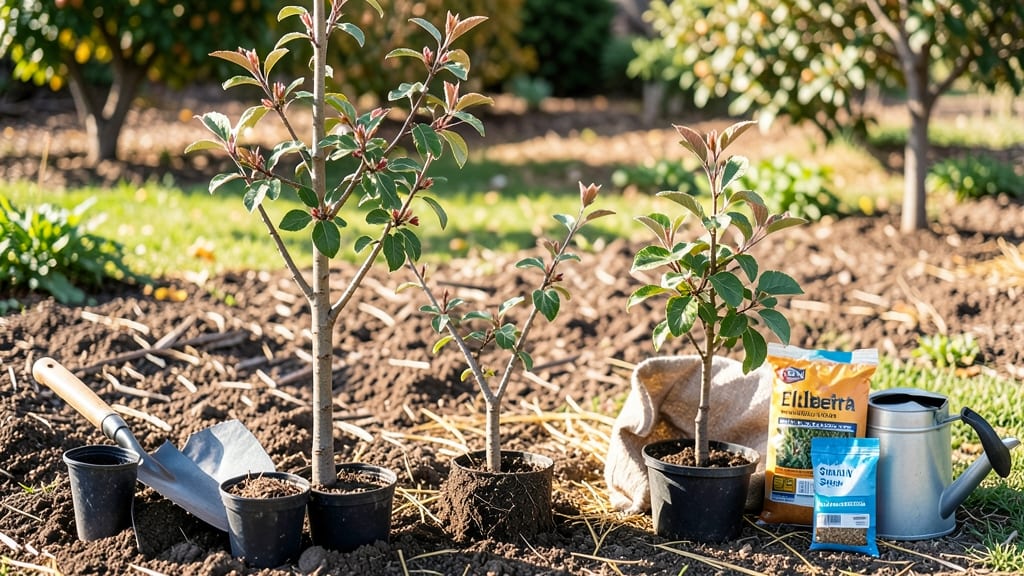
Timing when to plant fruit trees in Colorado right isn’t just about picking a month—it’s about matching varieties to Colorado’s unique chill-hour zones and avoiding frost traps that can kill young roots.
Whether you’re in Denver’s Zone 5b or Grand Junction’s Zone 6b, planting too early or late means struggling with poor fruit set or winter dieback.
I’ve seen firsthand how a single misstep—like planting peaches in late spring—can leave your tree vulnerable to late frosts, while fall-planted apples often establish deeper roots before winter. The key is understanding your local frost dates and choosing varieties that sync with Colorado’s short but intense growing season.
In this guide, I’ll break down the exact planting windows for Colorado’s microclimates, from the Front Range to the Western Slope, and match them to the chill-hour needs of apples, peaches, and cherries.
You’ll learn how to prep soil, protect young trees from unpredictable mountain winds, and even container-grow fruit trees in urban yards.
By the end, you’ll know not just when to plant, but how to set your fruit trees up for decades of harvests—no guesswork, just thriving orchards. Let’s get started.
Best planting months in Colorado by microclimate zone
Colorado’s diverse microclimates mean planting fruit trees isn’t one-size-fits-all. The Front Range (Denver, Boulder) has later frost dates, while the Western Slope (Grand Junction) warms up earlier. Even the Eastern Plains (Pueblo) face unique chill requirements.
Timing your planting to these zones ensures your trees establish strong roots before summer heat or winter freezes arrive.
For most Colorado regions, fall planting (September-October) is ideal because cool soil temperatures reduce transplant shock. However, bare-root trees can also be planted in late winter (February-March) while still dormant. Container-grown trees offer more flexibility, allowing spring planting up to May in milder zones like Colorado Springs.
Here’s how to align your planting with Colorado’s last frost dates and soil thawing:
| Microclimate Zone | Last Frost Date | Best Planting Window | Soil Thaw Timing | City Examples |
|---|---|---|---|---|
| Front Range | Mid-April | September 15–October 15 | March–April | Denver, Fort Collins |
| Western Slope | Early March | August 15–September 30 | February–March | Grand Junction, Durango |
| Eastern Plains | Late April | September 1–October 10 | March–April | Pueblo, Colorado Springs |
In urban areas like Denver, microclimates can shift dramatically. A south-facing yard may warm up 2–3 weeks earlier than a north-facing one. Use a local frost calendar (like the Colorado State University Extension maps) to fine-tune your timing.
For container planting, extend your window until June in cooler zones, as pots retain moisture longer.
If you’re planting in high-elevation areas (e.g., 7,000+ feet), aim for late August to early September. These zones have shorter growing seasons, so trees need extra time to establish roots before winter. Avoid planting in November or later, as frozen soil prevents root development.
Pro tip: Bare-root trees planted in February–March benefit from Colorado’s moist spring soil, but they must be kept moist (not soggy) until roots spread. For container-grown trees, fall planting gives roots time to establish before summer drought hits.
Always water deeply after planting—15–20 gallons for young trees—to encourage root growth into the surrounding soil.
Colorado’s alkaline soils can stress young trees, so amend planting holes with compost or peat moss to improve drainage and nutrient availability. This is especially critical in clay-heavy soils common in the Front Range. Mulch with wood chips or straw to retain moisture and regulate soil temperature.
For dwarf varieties (like Honeycrisp apples or Redhaven peaches), timing is even more critical—their smaller root systems are more sensitive to transplant shock. Plant them in early fall (September) to maximize their first growing season.
If you miss fall, spring planting is your next best option, but avoid late spring to prevent heat stress.
Remember: Frost dates vary yearly. Check the National Weather Service or local Cooperative Extension office for updated averages. In 2023, for example, Denver’s last frost came 2 weeks later than the 30-year average—proof that climate shifts demand flexibility in your planting plan.
Chill-hour requirements by fruit tree variety: matching Colorado’s climate
Colorado’s diverse climate—from the high-chill Eastern Plains to the low-chill Western Slope—means not all fruit trees thrive here. The key? Chill hours, the number of hours below 45°F a tree needs to produce fruit.
Pick the wrong variety, and you’ll end up with blooms but no fruit. Let’s match your location to the perfect trees.
For example, apples need 500-800 chill hours, making them ideal for Denver’s 600-700 chill hours. But in Grand Junction’s 300-400 chill hours, you’ll want low-chill peaches or plums (200-400 hours). Always check the variety’s label—some modern hybrids are bred for Colorado’s extremes.
| Fruit Type | Chill Hours Needed | Best Colorado Regions | Top Varieties |
|---|---|---|---|
| Apples | 500-800 | Front Range, Eastern Plains | Honeycrisp, Fuji, Golden Delicious |
| Peaches | 200-500 | Western Slope, Denver Metro | Redhaven, Elberta, Contender |
| Cherries | 400-700 | Front Range (higher elevation) | Montmorency, Stella, Lapins |
| Pears | 300-600 | Western Slope, Colorado Springs | Bartlett, Anjou, Seckel |
| Plums | 200-500 | All regions (versatile) | Santa Rosa, Methley, Purple |
Pro tip: Dwarf varieties (like columnar apples) are perfect for urban gardens—they need fewer chill hours and fit small spaces. Just plant them in south-facing spots to maximize sunlight. And if you’re in high-altitude areas (e.g., Fort Collins), opt for late-blooming varieties to avoid spring frosts.
Ever wondered why your peach tree blooms but doesn’t fruit? It’s likely a chill-hour mismatch. For example, Elberta peaches need 400+ chill hours, but Grand Junction’s climate often falls short.
Swap it for Contender (300 hours) and watch the fruit set improve. Always prioritize local nursery recommendations—they know which varieties survive Colorado’s late frosts and dry spells.
One more thing: Container-grown trees adapt better to microclimates. If your yard is windy or shaded, a potted dwarf apple tree in a sunny patio spot can still thrive—just move it to a sheltered area during late spring frosts.
And remember, young trees (under 3 years) need extra care to establish roots before they can handle Colorado’s temperature swings.
Now that you’ve matched your trees to your chill-hour zone, your next step is soil prep—Colorado’s alkaline soils can stunt growth if not amended properly. We’ll cover that in the next section, including how to mulch for moisture retention and protect against late frosts. 🌱