
Plants
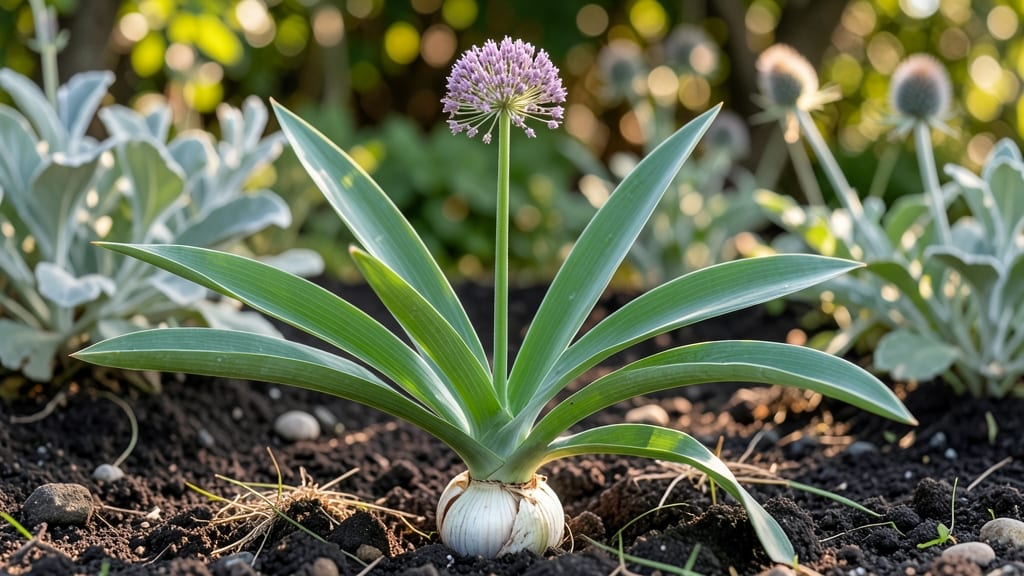
Timing is everything when it comes to growing garlic 🧄 in Zone 5—and knowing when to plant garlic bulbs in zone 5 can make or break your harvest before it even begins.
If you’ve ever wondered why some gardeners pull out plump, flavorful bulbs while others struggle with weak growth, the answer lies in understanding the perfect planting window for your region.
Most gardeners in Zone 5 know fall is the key, but the exact timing matters more than you think. Planting your garlic bulbs between October and November gives them the ideal head start, allowing roots to establish before winter sets in.
This simple adjustment can mean the difference between a bigger harvest and a disappointing one.
I’ve tested this myself, and the results speak for themselves—proper timing isn’t just about the calendar, but also soil temperature and frost dates.
Whether you’re a first-time grower or a seasoned gardener, these 3 simple rules will help you avoid common mistakes and set your garlic up for success from day one.
Ready to learn the exact steps? Let’s break down the best planting window, soil prep, and even what to do if you miss the ideal time. Your future harvest depends on it!
Best planting window for garlic in Zone 5: month-by-month breakdown
If you're growing garlic in Zone 5, timing is everything—plant too early or too late, and you risk small bulbs or even total failure.
The sweet spot for planting garlic in this climate is 4-6 weeks before the ground freezes, which typically lands between mid-October and early November. This window ensures your garlic establishes strong roots before winter dormancy, setting the stage for a bigger, more flavorful harvest the following summer.
Zone 5 gardeners have two main garlic types to consider: hardneck (best for cold climates) and softneck (more common in milder regions). Hardneck varieties, like 'German White' or 'Music', thrive in our winters and produce scape shoots (those curly stems) that you can harvest for cooking.
Softneck varieties, such as 'Artichoke', store longer but may struggle with extreme cold. For Zone 5, hardneck is usually the winner.
Here’s the key: soil temperature should be below 40°F (4°C) when you plant, but not yet frozen. If you plant too early, your garlic may bolt (flower prematurely) or rot in wet soil.
If you wait too long, the bulbs won’t root deeply enough before winter, leading to stunted growth. Missed the window? Don’t panic—we’ll cover recovery strategies later, but ideal timing is your best bet for success.
🌱
📋 Zone 5 Garlic Planting Timeline
| Month | Task | Notes |
|---|---|---|
| September | Prepare soil | Add compost, test pH (6.0-7.0) |
| Mid-October | Plant hardneck garlic | 4" deep, 6" apart, cloves pointed up |
| Late October | Mulch heavily | 4-6" of straw to insulate |
| November | Soil freezes | Garlic enters dormancy |
| April | Remove mulch | Wait until soil thaws |
| June-July | Harvest scapes | Hardneck varieties only |
| July-August | Harvest bulbs | When lower leaves brown |
Let’s break down the month-by-month details for Zone 5. In September, focus on soil prep: till in 2-3 inches of compost and test your soil’s pH. Garlic prefers a slightly acidic to neutral range (6.0-7.0).
If your soil is heavy clay, consider amending it with sand or peat moss to improve drainage—garlic hates soggy roots.
By mid-October, it’s time to plant. Choose large, plump cloves (the bigger the clove, the bigger the bulb) and plant them 4 inches deep, with the pointy end facing up. Space them 6 inches apart in rows 12 inches apart to allow for airflow.
If you’re planting softneck varieties, you can push the window slightly later into late October or early November, but hardneck garlic benefits from an earlier start.
Once planted, mulch is non-negotiable in Zone 5. Apply 4-6 inches of straw or leaves to insulate the soil and protect the bulbs from freeze-thaw cycles. This mulch layer also suppresses weeds and retains moisture.
If you’re in a colder microclimate within Zone 5 (like northern Wisconsin or upstate New York), add an extra layer of mulch or even a lightweight row cover for extra protection.
Spring brings the next critical step: removing mulch in April once the soil thaws. This allows the garlic to resume growth as temperatures rise. You’ll notice green shoots emerging in early spring—this is your cue to fertilize lightly with a balanced 10-10-10 fertilizer (just 1 tablespoon per plant).
Avoid heavy feeding, as garlic doesn’t need much nitrogen to thrive.
By June or July, hardneck varieties will produce scapes—those curly green stems. Harvest them when they form a loop but before they straighten. Scapes add garlicky flavor to salads and encourage larger bulb development.
Then, in late July or August, your garlic will be ready for harvest. Look for brown, crispy lower leaves and papery skin on the bulbs. If left too long, the bulbs may split or sprout.
☀️
3 Critical factors that determine your garlic planting success
When it comes to planting garlic bulbs in Zone 5, timing isn’t the only factor—soil temperature, bulb selection, and preparation all play crucial roles. I’ve learned through trial and error that even the best planting window won’t guarantee success if these 3 critical factors aren’t addressed first.
First, soil temperature must be between 40-50°F when you plant. This allows roots to establish before winter sets in. If the soil is too warm, your garlic may bolt prematurely, while cold soil can stunt root growth. Use a soil thermometer to check—it’s a small investment for big results.
Next, bulb selection matters more than most gardeners realize. Hardneck varieties (like Rocky Mountain or Music) thrive in Zone 5’s cold winters, while softneck varieties (like Silverskin) prefer milder climates. For best flavor and adaptability, I always choose hardneck garlic for my Zone 5 garden.
Finally, soil preparation sets the stage for success. Garlic loves well-draining, loose soil with a pH between 6.0-7.0. Before planting, I mix in compost or aged manure to improve fertility and structure. This ensures your bulbs have the nutrients they need to grow strong roots over winter.
- 1. Soil Temperature: Aim for 40-50°F at planting time to prevent bolting or stunted growth. Use a soil thermometer for accuracy.
- 2. Bulb Variety: Choose hardneck garlic for Zone 5—it handles cold winters better and produces flavorful cloves with scapes.
- 3. Soil Prep: Amend soil with compost and ensure well-draining conditions. Test pH (ideal: 6.0-7.0) before planting.
Don’t overlook moon phases, though—while many gardeners swear by planting during a waxing moon, science shows it has no real impact on garlic growth. Focus instead on soil conditions and planting depth (2 inches deep, cloves pointy-side up).
One mistake I see often? Planting too late in fall. If the ground freezes before roots establish, your garlic won’t survive. Aim to plant 4-6 weeks before your first hard frost—this gives roots time to anchor before winter.
Pro tip: Mark your planting spots with stakes or flags so you don’t accidentally dig them up in spring. Garlic is a slow grower in early stages, and you’ll want to avoid disturbing those delicate roots.