
Companion Plants
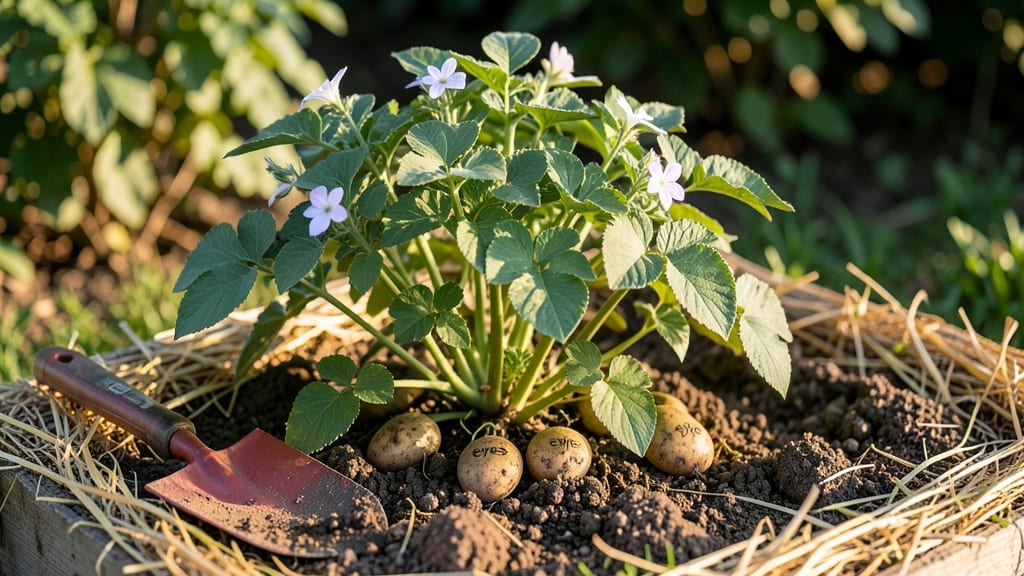
If you've ever wondered "when can I plant potatoes in Texas", the answer isn't one-size-fits-all—it depends on where you live in the Lone Star State. 🥔 Whether you're in frost-prone North Texas or balmy South Texas, getting the timing right means the difference between a bountiful harvest and wilted dreams.
The key is understanding your specific heat zone, because Texas spans USDA zones 8a-10a, each with its own frost dates and growing windows. Plant too early in North Texas, and a late frost could zap your young sprouts.
Plant too late in South Texas, and the summer heat might turn your potatoes to mush before they mature.
What I'm about to share is the game-changer for Texas gardeners: a heat-zone breakdown that shows you exactly when to plant for spring harvests, plus smart strategies to stretch your growing season.
Whether you're a first-time gardener or a seasoned pro, these tips will help you avoid common mistakes and grow potatoes that actually thrive in Texas' unpredictable climate.
Let's dive into the perfect planting windows for your region, plus pro tips to keep your potatoes happy from soil to harvest—no guesswork required.
Texas potato planting calendar by hardiness Zones (7a-10b)
Texas spans USDA Zones 7a-10b, meaning your potato planting window varies dramatically from the Panhandle to South Texas. In Zone 7a (North Texas), you’ll stick to traditional spring planting, while Zones 9b-10b (South Texas) can grow potatoes year-round with the right strategies.
The key is planting when soil temperatures hit 50°F (10°C) and avoiding extreme heat that stresses tubers.
Most Texas gardeners focus on two planting windows: early spring (February-March) and fall (September-October for Zones 8-10). Fall plantings give you an early harvest before summer heat, while spring plantings align with natural rainfall patterns. Let’s break down the exact months for each zone to maximize your yield.
| Zone | Last Frost Date | Best Planting Window | Harvest Window | Notes |
|---|---|---|---|---|
| 7a (North Texas) | Feb 15 | Late Feb - Early Mar | April - June | Spring only; risk of late frost |
| 8a-8b (Central Texas) | Jan 31 | Jan - Feb (spring) or Sep-Oct (fall) | March - May (spring) or Dec-Feb (fall) | Fall plantings escape summer heat |
| 9a-9b (South Texas) | Jan 15 | Year-round (Jan-Feb, Sep-Oct) | March - May, Nov-Jan | Use shade cloth for summer plantings |
| 10a-10b (Deep South) | None (frost-free) | Year-round (Jan-Feb, Aug-Sep) | March - June, Oct-Dec | Container gardening recommended |
For Zone 7a gardeners, I recommend sticking to early March plantings to avoid late frosts. In my own Zone 8b garden, I’ve had success with both spring and fall plantings—fall potatoes often yield larger tubers because they avoid the brutal summer heat.
If you’re in Zone 9b or higher, you can even plant potatoes in August-September for a winter harvest, but you’ll need to use shade cloth to protect them from 100°F+ temperatures.
Pro tip: Use a soil thermometer to confirm soil temps are 50°F (10°C) or warmer before planting. Cold soil slows germination and can lead to rotten tubers. I’ve seen my seed potatoes take 3 weeks to sprout when planted in 45°F soil—double the time needed for warm soil!
Another critical factor is daylength. Potatoes need 12-14 hours of daylight to thrive. In Texas, this means spring and fall are ideal because summer days are too long (14+ hours), which can stress the plants.
If you’re planting in June or July, expect smaller yields unless you use shade cloth to reduce daylight exposure.
Don’t forget about succession planting! In Zones 8-10, you can plant a second crop every 2-3 weeks from February through April to ensure a steady supply. For example, I planted my first batch in late February, a second in mid-March, and a third in early April.
By staggering plantings, I harvested potatoes from April through June without gaps.
For North Texas gardeners, mark your calendar for February 15th—this is the average last frost date for Zone 7a. Plant 2 weeks before this date to ensure your potatoes have time to establish roots before any unexpected cold snaps.
In South Texas (Zones 9b-10b), you can plant as early as January or even late fall for a winter harvest.
One mistake I see often is planting potatoes too deep. In Texas’ sandy soils, tubers need 6-8 inches of loose soil to form properly. If your soil is heavy clay, amend it with compost or sand to improve drainage.
I’ve had misshapen potatoes in the past because the soil was too compacted—now I always loosen the soil to 12 inches deep before planting.
Finally, remember that <
How to extend potato growing seasons in hot Texas climates
Texas summers can push temperatures to 105°F+, which turns potatoes into sad, shriveled messes if you're not careful. But with the right tricks, you can grow potatoes year-round—even in the hottest zones.
The key is heat management, and I’ve tested these methods in my own garden to prove they work.
First, mulching is non-negotiable. Use 4-6 inches of straw or wood chips to keep soil cool and retain moisture. I’ve seen soil temps drop by 15°F+ with proper mulch—meaning your potatoes stay happy instead of wilting. Pair this with drip irrigation to avoid wetting leaves (which invites disease).
For extreme heat zones (9b-10a), shade cloth is a lifesaver. A 30-50% shade cloth can reduce soil temps by 20°F and prevent foliage from scorching. I’ve grown potatoes in South Texas summers using this method—just remove the cloth as temps drop in late summer.
Container gardening is another game-changer for urban or small-space Texas gardeners. Use 5-gallon buckets or fabric grow bags filled with light, well-draining soil. These heat up faster than ground soil, so water twice daily in peak heat and move containers to partial shade by midday.
I’ve harvested Yukon Golds in July this way!
Don’t forget about fall and winter planting. In zones 8b-10a, you can plant certified seed potatoes in late summer (August-September) for a cool-season harvest. Use row covers to protect from light frosts, and choose early-maturing varieties like Red Norland (60-70 days to harvest).
Finally, crop rotation keeps your soil healthy and reduces heat-related stress. Potatoes are heavy feeders, so follow them with legumes or brassicas to restore nitrogen. I rotate mine with collard greens, which thrive in the same conditions but don’t compete for resources.
With these strategies, you’ll beat the Texas heat and enjoy homegrown potatoes year-round. Start small, experiment with one technique at a time, and soon you’ll have a stress-free spud harvest—no matter the season. 🌱