
Flowers
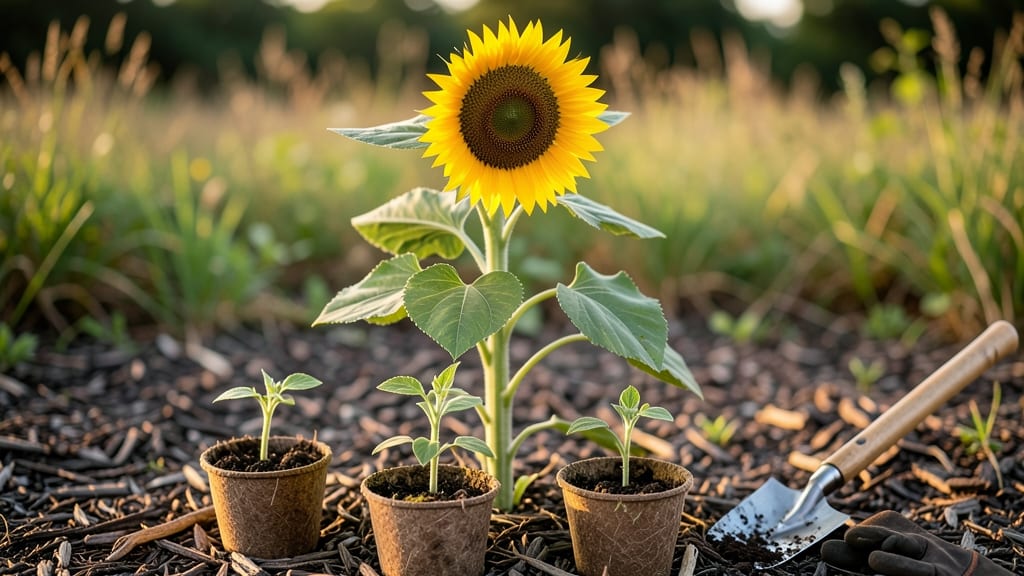
If you’ve ever dreamed of growing towering sunflowers 🌻 that turn heads in your Texas garden, the first question is: when do you plant sunflowers in Texas? Timing is everything—planting them too early risks frost damage, while late starts mean wilted blooms before summer’s peak.
The key? Knowing exactly when to sow seeds in your specific Texas zone—whether you're in frost-prone North Texas or the warmer Gulf Coast.
Texas gardeners have a narrow window of just a few months to plant sunflowers for maximum success. In North Texas (zones 7b-9a), wait until after the last frost—typically March to May—while Central and South Texas growers can start as early as February.
The difference? Heat tolerance and bloom timing that make all the difference between a garden showstopper and a sad, shriveled stem.
What you're about to discover isn't just about months—it's about heat-resistant varieties that thrive in Texas' brutal summers. We'll break down the best planting times by region, plus the top sunflower cultivars that won't bolt in the heat.
Ready to grow sunflowers that reach 10 feet tall or more? Let's get started.
The right timing ensures your sunflowers grow strong, tall, and vibrant—turning your Texas garden into a sea of golden blooms from June through October.
Whether you're a first-time gardener or a seasoned pro, these insights will help you avoid common mistakes and grow sunflowers that stand out in any Texas landscape.
Best planting months for sunflowers in Texas by region (north vs. Central vs. south)
Texas’ diverse climate means sunflowers thrive in three distinct regions, each with its own frost-free window and heat tolerance. Planting at the right time ensures your sunflowers grow tall, vibrant, and resilient—even in scorching summers.
Let’s break down the exact months for each region, so you can start seeds or transplant with confidence.
North Texas (USDA Zones 7b-8a) has earlier frosts and shorter growing seasons. The last frost typically hits around mid-February, while the first frost arrives by mid-November. This means your planting window is shorter but critical: March to early May is ideal for direct sowing seeds.
For container-grown sunflowers, you can push it slightly earlier to late February.
Central Texas (USDA Zones 8a-9a) enjoys a longer growing season, with the last frost around mid-January and the first frost in early November. This gives you a wider window to plant: February through April.
Early February plantings can produce blooms by late May or June, while April plantings will flower in July or August, extending your seasonal display.
South Texas (USDA Zones 9a-11) is the most forgiving, with frost-free periods stretching from December to November. Here, you can plant sunflowers as early as late January and as late as early June.
However, for the tallest, most vibrant blooms, aim for February to April. Late plantings in June may still produce flowers, but they’ll mature faster in the intense heat.
| Region | USDA Zone | Last Frost | First Frost | Ideal Planting Window | Heat Tolerance Tip |
|---|---|---|---|---|---|
| North Texas | 7b-8a | Mid-February | Mid-November | March–Early May | Use mulch to retain moisture |
| Central Texas | 8a-9a | Mid-January | Early November | February–April | Choose heat-resistant varieties |
| South Texas | 9a-11 | Late January | Late November | February–June | Water deeply in extreme heat |
For all regions, soil temperature is just as critical as air temperature. Sunflower seeds need soil temps of at least 50°F (10°C) to germinate. In North Texas, wait until late March to ensure soil warms up enough.
In Central and South Texas, February plantings can work if you use black plastic mulch or a cold frame to warm the soil faster.
If you’re eager to start seeds indoors, begin 4-6 weeks before your region’s last frost date. Use biodegradable pots to avoid transplant shock when moving seedlings outdoors. Harden them off by placing them outside for a few hours each day, starting 1-2 weeks before transplanting.
This gradual adjustment helps them adapt to Texas’ intense sunlight and heat.
Timing isn’t just about frost—it’s also about avoiding summer’s peak heat. Planting sunflowers too late (after mid-June) can lead to stunted growth or bolting (rapid flowering) before the plant matures.
Instead, aim for early summer blooms by sticking to the ideal windows above, and enjoy sunflowers that reach their full 6-12-foot potential without wilting in the heat.
Pro tip: In North Texas, consider a second planting in late May for a fall display. These late plantings will bloom in September or October, adding color just before cooler weather arrives. Just be sure to water consistently during Texas’ dry spells to keep them thriving.
Finally, remember that sunflowers are annuals, so they’ll complete their life cycle in one season. By planting at the right time, you’ll maximize their height, vigor, and those iconic bold, cheerful blooms that brighten up any Texas garden. 🌻
Best planting months for sunflowers in Texas by region (north vs. Central vs. south)
Texas isn’t one-size-fits-all when it comes to sunflowers 🌻—the Panhandle has harsh winters, while the Gulf Coast bakes year-round. That’s why your planting window depends entirely on your USDA zone and last frost date.
In North Texas (zones 7b-9a), where frosts linger until mid-March, wait until after April 15 to plant. Central Texas (zones 8a-9a) can start as early as February 15, while South Texas (zones 9b-11) enjoys frost-free soil by January 1.
Sunflowers love warm soil—they won’t germinate well below 50°F (10°C). In my Central Texas garden, I’ve found that planting in late March gives them a full 120-day growing season before summer’s peak heat.
But in South Texas, you can push it to February for blooms by June. The key? Soil temperature, not just air temperature.
Here’s the breakdown you need to avoid wilted stems or premature bolting:
| Region | USDA Zones | Last Frost Date | Ideal Planting Window | Bloom Time |
|---|---|---|---|---|
| North Texas (Panhandle) | 7b-9a | Mid-March | April 15–May 15 | July–September |
| Central Texas (Austin, San Antonio) | 8a-9a | Mid-February | March 1–April 15 | June–August |
| South Texas (Houston, Corpus Christi) | 9b-11 | Early January | February 1–March 15 | May–July |
Pro tip: If you’re in North Texas and want a second crop, try late June planting—these sunflowers will bolt faster in the heat but still produce smaller, late-season blooms. Just be prepared for shorter stems (3–5 feet) compared to spring plantings.
One common mistake? Planting too early in South Texas and risking heat stress before the plants establish roots. I’ve seen sunflowers planted in January wilt by April if they don’t get enough consistent moisture.
The solution? Mulch heavily and water deeply 2–3 times per week until they’re 12 inches tall.
For maximum height (think 10–12 feet), stick to the early spring window and choose heat-resistant varieties like ‘Moulin Rouge’ or ‘Autumn Beauty’. These thrive in Texas’ 90°F+ summers and won’t bolt prematurely like delicate hybrids. 🌻