
Trees
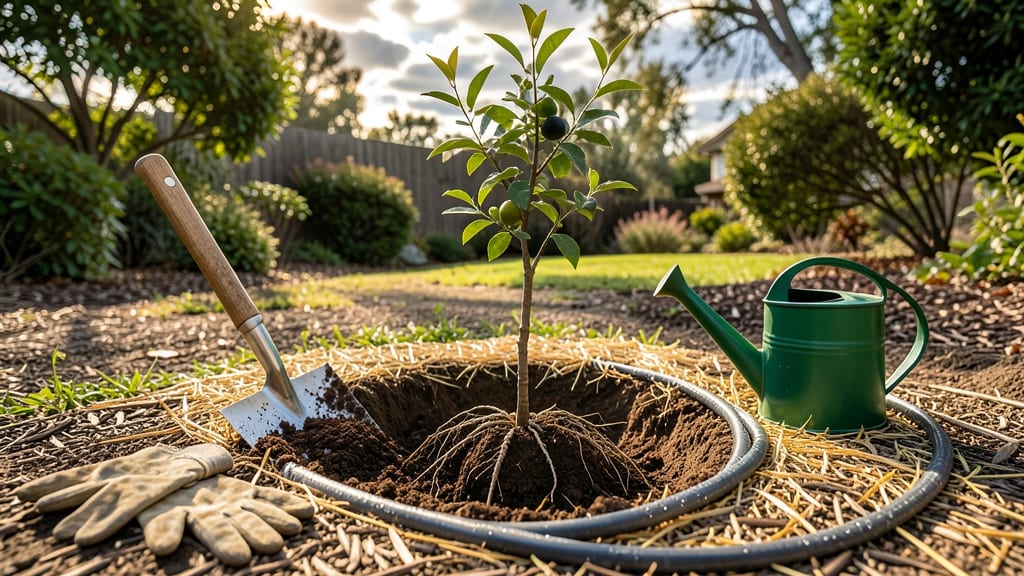
Timing your fruit tree 🍎 planting just right in California could mean the difference between a thriving orchard and years of frustration—especially with the state’s wild swings from coastal fog to desert heat.
If you’ve ever wondered why some gardeners swear by November plantings while others insist on waiting until March, it’s all about understanding your microclimate. Coastal areas like San Diego might play by different rules than the Central Valley, where frost dates shift dramatically.
I’ll break down the best window for each zone so you can plant with confidence.
You’ll also discover how to spot the perfect moment—soil temps, rainfall cues, and even leaf bud dormancy—to ensure your fruit tree takes root strong. Plus, I’ll share pro tips for adjusting timelines when California’s unpredictable weather throws curveballs like drought or early frosts.
Ready to turn your backyard into a productive orchard? Let’s dive into the science and secrets behind planting fruit trees at the ideal time for your exact location.
California’s 5 microclimate zones and their ideal fruit tree planting months
California’s diverse climate zones mean the best planting months for fruit trees vary dramatically. From coastal fog to desert heat, understanding your microclimate is critical for success.
Most fruit trees thrive when planted during their dormant season, but California’s USDA zones 7-11 complicate timing—especially for frost-sensitive varieties like avocados or cold-hardy apples.
For coastal regions (e.g., San Francisco, Santa Barbara), mild winters allow planting from November through March, with December-January being ideal. Inland valleys like the Central Valley (Sacramento, Fresno) have cooler winters, making November-February perfect for bare-root trees.
Meanwhile, desert zones (Palm Springs, Coachella) require winter planting (November-January) to avoid summer heat stress.
High-elevation areas (e.g., Sierra foothills) face earlier frosts, so planting by October ensures roots establish before winter. Each zone’s soil temperature (aim for 50–60°F) and rainfall patterns dictate the window—delaying can mean heat stress or poor root growth.
Citrus trees (oranges, lemons) thrive in coastal and desert zones and can be planted year-round, but fall or early spring minimizes transplant shock. Stone fruits (peaches, plums) need chill hours—plant in late winter (February-March) in colder inland areas. Avocados, sensitive to frost, must go in spring (March-April) in high-risk zones.
Here’s how California’s 5 key microclimates break down for optimal planting:
| Zone | Ideal Planting Months | Key Considerations | Best Varieties |
|---|---|---|---|
| Coastal (USDA 9b-10a) | November–March | Mild winters; avoid summer planting (heat stress) | Citrus, avocado, olive, fig |
| Central Valley (USDA 8a-10a) | November–February | Cooler nights; plant before frost (Dec 1–Feb 15) | Apple, peach, plum, cherry |
| Foothills (USDA 7b-9a) | October–November | Early frosts; prioritize root establishment | Pear, walnut, almond |
| Desert (USDA 9b-11) | November–January | Winter rains; avoid summer (extreme heat) | Date palm, pomegranate, citrus |
| High Elevation (USDA 5a-7a) | September–October | Short growing season; plant early for root growth | Apple, cherry, apricot |
For container-grown trees, fall planting (October-November) works statewide, as roots establish before summer heat. Bare-root trees, however, must go in dormant season—December-February for most zones. Citrus exceptions can handle spring planting in frost-free areas, but stone fruits (peaches, nectarines) need chill hours and suffer if planted too late.
Pro tip: Check your local frost dates—coastal areas like Santa Barbara rarely see frost, while Sacramento can hit 28°F in winter. Adjust planting 4–6 weeks before your area’s first frost to ensure root establishment.
Soil prep is just as critical as timing. Amend clay-heavy soils with compost, and in sandy desert zones, add organic matter to retain moisture. Mulch heavily after planting to retain soil moisture and regulate temperature—especially in hot inland valleys.
If you’re in Southern California’s coastal regions, January-February is prime for avocados and citrus, while Northern California’s Central Valley favors December-January for stone fruits. Desert planters should aim
Signs your planting timing is perfect (or disastrous) for California fruit trees
Timing your fruit tree planting in California isn’t just about picking a month—it’s about reading your microclimate’s cues. The ideal soil temperature for root establishment is between 50–60°F, which aligns with California’s dormant season (November–March).
If you plant too early, roots may struggle to establish before summer heat arrives, while late plantings risk frost damage in colder zones.
For coastal regions, watch for consistent rainfall—planting in December–February ensures moisture for young roots. Inland areas like the Central Valley should aim for November–January, avoiding late frosts that can kill tender new growth.
Desert zones like Palm Springs actually prefer winter planting (November–December) to escape summer’s extreme heat.
Planting before soil warms (below 50°F) stunts root growth, while planting too late risks heat stress or frost damage.
- Red Flag: Premature leafing in stone fruits (peaches, plums) signals planting too early.
- Red Flag: Wilting or yellowing leaves in summer-planted trees indicate heat shock.
- Red Flag: Blackened bark at the base means frost damage from late plantings.
🌡️ Pro Tip: Use a soil thermometer to confirm 50–60°F before planting.
Pay attention to leaf bud dormancy—this is nature’s planting clock.
For citrus trees, buds should still be tightly closed when you plant; if they’re swelling, you’ve waited too long. Stone fruits (peaches, nectarines) need chill hours (300–700, depending on variety), so planting in November–January ensures they meet this requirement before spring growth.
Another key sign: rainfall patterns. In Northern California, aim for December–February when winter rains hydrate the soil. In Southern California, where rain is scarce, November–December planting gives roots time to establish before summer drought. Mulch heavily (4–6 inches) to retain moisture if planting in dry months.
If you’re planting bare-root trees, their roots should be moist but not soggy—a clear sign they’re ready for the ground.
For container-grown trees, check the root ball: if roots circle the pot (root-bound), prune them before planting to encourage outward growth. Transplant shock is less likely if roots aren’t crowded.
Finally, observe local wildlife. Birds and insects are nature’s planting advisors: if you see bees pollinating early-blooming fruit trees in your area, it’s a sign spring is near—time to plant dormant varieties like apples or pears.
Conversely, if ants swarm around soil in summer, it’s a warning that planting now will stress your tree.
By tuning into these natural indicators, you’ll avoid the most common planting mistakes in California—and give your fruit trees the best possible start. 🌱